
WPC Decking Blog with Expert Guides Installation Tips and Industry Insights
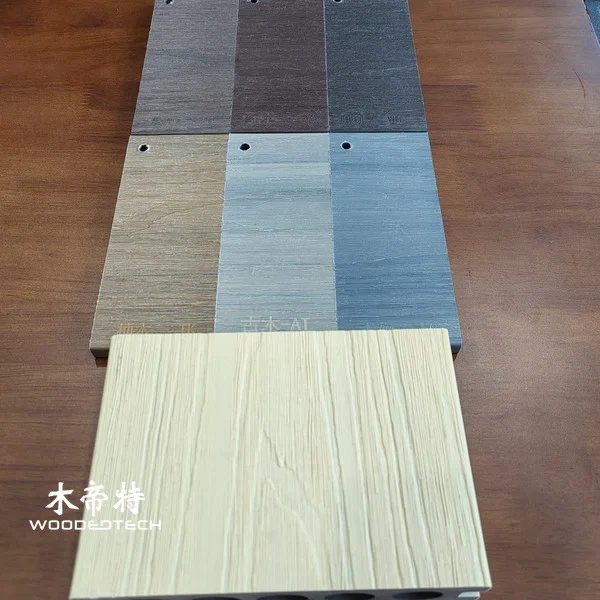
WPC decking is a practical choice for B2B buyers who need durable, low-maintenance outdoor surfaces with consistent quality. This blog covers installation basics, material selection, and what industrial buyers should watch for when sourcing at scale.
What WPC Decking Delivers for Commercial Projects

Wood plastic composite decking combines wood fiber and polymer for a surface that resists moisture, fading, and many of the problems associated with traditional timber. For contractors, distributors, and project specifiers, the main value is predictability: stable dimensions, uniform color, and easier maintenance across large installations.
Compared with natural wood, WPC reduces sanding, sealing, and replacement cycles. That makes it suitable for hospitality decks, public walkways, rooftop terraces, pool surrounds, and other high-traffic outdoor areas where downtime and maintenance costs matter.
Installation Tips That Protect Project Quality
A good result starts with the substructure. Use properly spaced joists, allow for drainage and ventilation, and follow the manufacturer’s gap recommendations so the boards can move naturally with temperature changes. Poor framing is the fastest way to create board movement, surface distortion, or trapped moisture.
For a cleaner installation:
- Store boards flat and shaded before use
- Use stainless fasteners or approved hidden clips
- Keep consistent expansion gaps at ends and sides
- Check joist spacing against board thickness and load requirements
- Finish edges and stair transitions with matching trim or nosing
If the project includes stairs, ramps, or wet zones, ask for slip resistance data and installation guidance before ordering. Small details at the design stage can prevent costly site changes later.
Sourcing Considerations for Industrial Buyers
Not all WPC products are built for the same duty level. B2B buyers should compare core density, cap layer performance, UV stability, and warranty terms rather than focusing on price alone. For export projects, it also helps to confirm packaging standards, lead times, and whether the supplier can provide consistent batches for long-term replenishment.
If you need a product for retail, contracting, or hospitality procurement, request samples and test them under real site conditions. Look at surface texture, color retention, and fastening compatibility. Reliable suppliers should also support custom lengths, finishes, and bulk order planning.
Why WPC Decking Fits Modern Outdoor Supply Chains
WPC decking supports efficient sourcing because it is easier to standardize than many natural materials. That consistency helps distributors, builders, and importers manage inventory, reduce complaints, and deliver a more uniform customer experience. For projects that demand both appearance and performance, it remains one of the most practical outdoor flooring options.
FAQ
Q: Is WPC decking suitable for commercial outdoor projects? A: Yes. It is widely used in commercial spaces because it offers stable performance, low maintenance, and a consistent finish across large areas.
Q: What is the most important installation point? A: Proper joist spacing and expansion gaps are critical. They help prevent movement issues and extend the service life of the deck.
Q: What should buyers check before placing a bulk order? A: Review material density, UV resistance, surface finish, warranty terms, and whether the supplier can maintain consistent color and size across batches.
Related Articles
Related Products
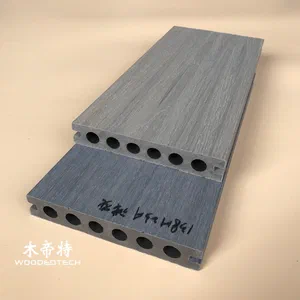 GD13823 Composite Decking Material Features Six Small Round Holes to Reduce Weight While Maintaining Structural Strength
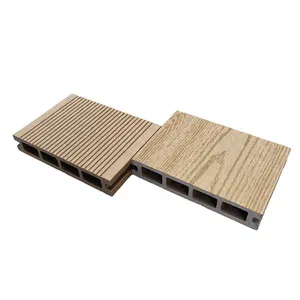
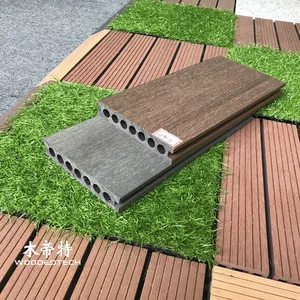 GD13823-2 Wood Versus Composite Decking Features Seven Round Holes with Wood Grain and Brushed Textures on Opposite Sides
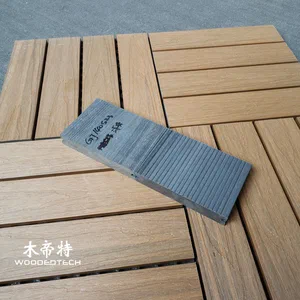 GD14023S Composite Deck Materials Feature a Solid Structure and Side Grooves for Better Adaptability in Extremely Cold Climates