
wpc decking blog shares professional knowledge about outdoor composite flooring installation maintenance and trends

WPC decking and wall cladding systems offer a durable, low-maintenance finish for outdoor projects, but only when they are installed with the right subframe, fixing method, and movement allowance. Good installation practice protects the boards from warping, noise, water traps, and premature surface wear.
Subframe Preparation
Start with a level, stable base. For decking, use a proper joist structure with correct spacing based on the board profile and manufacturer guidance; for wall cladding, make sure the battens are straight, dry, and securely fixed to the wall. Leave drainage paths beneath decking and avoid direct contact with soil or standing water.
Check the layout before fixing anything. Set out the board direction, confirm edge details, and mark control lines so the finished surface runs true. If the base is uneven, correct it before installation instead of trying to force the boards to compensate.
Fixing Methods
Use the recommended hidden clip or screw system for the specific product. Decking boards are usually fixed to the joists with stainless steel clips or color-matched screws through the fastening groove, while cladding panels are commonly installed with clips or face fixing depending on the profile.
Do not over-tighten fasteners. WPC needs a little movement, and a rigid fix can create stress points and visible surface damage. Keep all fasteners aligned and consistent, especially at board ends and perimeter details.
Expansion Gaps and Cutting
WPC expands and contracts with temperature changes, so movement gaps are essential. Leave the required gap at board ends, between boards and walls, and around posts, trims, and corners. The exact dimension depends on the product, length, and climate, so follow the supplier specification rather than guessing.
Cut boards with a fine-tooth blade to reduce chipping. Support the material fully while cutting, and clean off dust before installation. When fitting around pipes, corners, or outlets, measure twice and keep cut edges neat so the system remains watertight and visually clean.

Maintenance Tips
Routine care is simple. Sweep off debris, wash with mild soap and water, and remove stains early before they settle into the surface. Avoid harsh solvents, abrasive pads, and metal scrapers that can dull the finish.
Inspect the subframe and fixings periodically, especially after extreme weather. Tighten loose components, clear drainage points, and replace damaged clips or trims promptly. Proper maintenance keeps the deck or cladding looking stable and extends service life without heavy upkeep.
FAQ
Q: Can WPC decking be installed directly on concrete? A: Yes, but only with the right support system and drainage detail. The boards still need a level subframe or sleeper arrangement to allow ventilation and movement.
Q: Do WPC wall cladding panels need expansion gaps? A: Yes. Leave the specified gaps at joints and edges so the panels can move with temperature changes without buckling.
Q: What is the best way to clean WPC surfaces? A: Use water, mild detergent, and a soft brush or cloth. Regular cleaning is enough for most projects and helps prevent long-term staining.
Related Articles
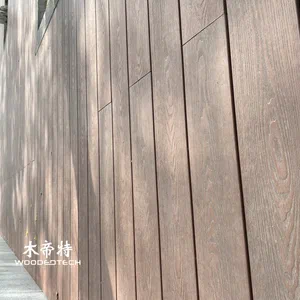 How to put plastic decking down with simple installation methods for outdoor applications
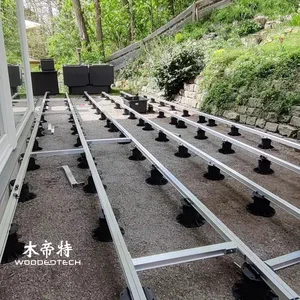 Replacing composite deck boards becomes easier with reliable outdoor WPC decking solutions
 plastic wood decking expansion knowledge helps installers understand temperature changes and installation requirements
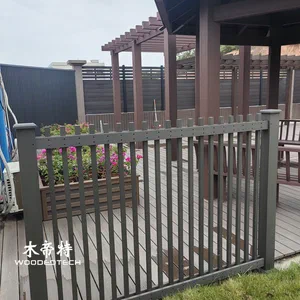 Composite decking spacing guidelines ensure proper installation and long term outdoor performance
Related Products
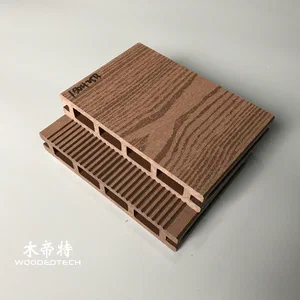 D15025-2 Classic Waterproof Insect Resistant Corrosion Resistant And Termite Resistant Composite Decking Types With Twenty Years Of Sales Experience
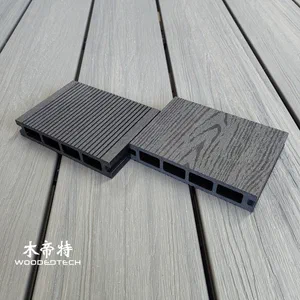 D14025-4 WPC Decking Boards Feature a Flat Wood Grain Surface with Black Ebony Heartwood Ring Grain for Outdoor Applications
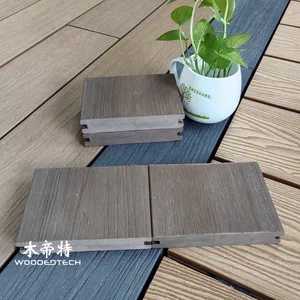 GD14025S Capped WPC Provides a Solid Board Structure for Better Load Bearing Performance and Reduced Space for Insects Inside the Board