
WPC Deck Provides Natural Wood Appearance with Long Lasting Outdoor Performance

WPC (Wood Plastic Composite) decking is designed to offer the natural aesthetics of wood while providing exceptional durability and weather resistance. The quality of raw materials used in the manufacturing process significantly influences the performance characteristics of outdoor WPC products. Key components such as wood powder, HDPE/PVC polymers, additives, pigments, and modifiers play vital roles in ensuring longevity and resilience against environmental factors.
Impact of Raw Materials on WPC Durability

Wood powder serves as the primary filler in WPC formulations, contributing to the material’s ability to mimic natural wood textures. The quality of the wood powder affects not only the appearance but also the mechanical strength and durability of the final product. High-quality wood powder enhances the bonding with polymers, leading to improved structural integrity.
HDPE (High-Density Polyethylene) and PVC (Polyvinyl Chloride) are the main polymers used in WPC production. HDPE offers excellent resistance to moisture, UV radiation, and temperature fluctuations, making it suitable for outdoor applications. Conversely, PVC provides additional benefits in terms of impact resistance and chemical stability. The choice between these polymers can influence the product’s overall weather resistance and performance.
Additives such as anti-UV agents and antimicrobial substances are crucial in enhancing the longevity of WPC products. These additives help prevent degradation from sunlight exposure and inhibit mold growth, further extending the lifespan of outdoor installations.
Pigments are used to achieve the desired color and finish of WPC products. Quality pigments ensure that the color remains vibrant over time, resisting fading due to UV exposure. Furthermore, the incorporation of colorants can enhance the material’s thermal properties, preventing excessive heat absorption that might lead to warping or degradation.
Modifiers, including coupling agents and impact modifiers, play a significant role in improving the compatibility of wood and polymer components. These additives enhance the mechanical properties of WPC, resulting in a more robust and flexible product that can withstand the rigors of outdoor use.
Quality Control and Inspection Methods
To ensure the highest quality of WPC products, factories must implement strict quality control procedures. Regular inspections of raw materials are essential. Key inspection methods include:
- Visual inspections of wood powder for consistency in particle size and absence of contaminants.
- Testing polymer samples for density, melt flow index, and mechanical properties.
- Analysis of additives and pigments for compliance with industry standards.
- Conducting weathering tests to evaluate UV resistance and color stability over time.
Quality standards such as ASTM D7032 for WPC decking materials guide manufacturers in maintaining performance benchmarks. Adhering to these standards helps in producing WPC products that meet customer expectations and regulatory requirements.
FAQ
Q: What are the benefits of using WPC for outdoor decking?
A: WPC provides a natural wood appearance while offering superior durability, moisture resistance, and low maintenance compared to traditional wood.
Q: How do additives improve WPC products?
A: Additives enhance properties like UV resistance and antimicrobial performance, ensuring the longevity and cleanliness of outdoor WPC installations.
Q: What quality standards should WPC products meet?
A: WPC products should comply with standards such as ASTM D7032, which assess performance characteristics like strength, durability, and safety.
Related Articles
 Best WPC Decking Provides High Quality Outdoor Flooring Solutions for Global Markets
 4.8 Meter Composite Decking Boards Provide Long Board Options for Professional Outdoor Installations
 WPC Cladding Outdoor Systems Create Modern Exterior Walls with Weather Resistant Performance
 WPC Exterior Wall Cladding Price Depends on Material Quality Design and Project Requirements
Related Products
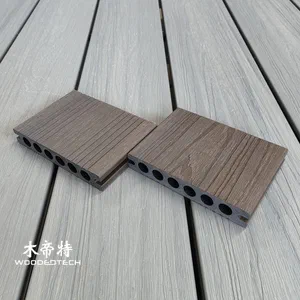 Purple Sandalwood GD13823-3 Co Extruded WPC Outdoor Decks with Round Holes Are Available in Stock in 3 Meter Lengths Year Round
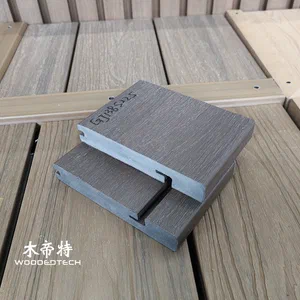 GD13822.5S Fully Capped Solid Starter Wood Polymer Composite Decking Provides a Stable Starting Structure for the First Decking Board
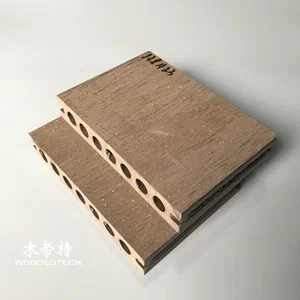 D13823 Round Hole Double Sided Flat WPC Bamboo Decking Boards With Strong Quality And Various Wood Grain Surface Treatments