WPC Deck Flooring for Durable Outdoor Patios Gardens Balconies and Landscape Applications
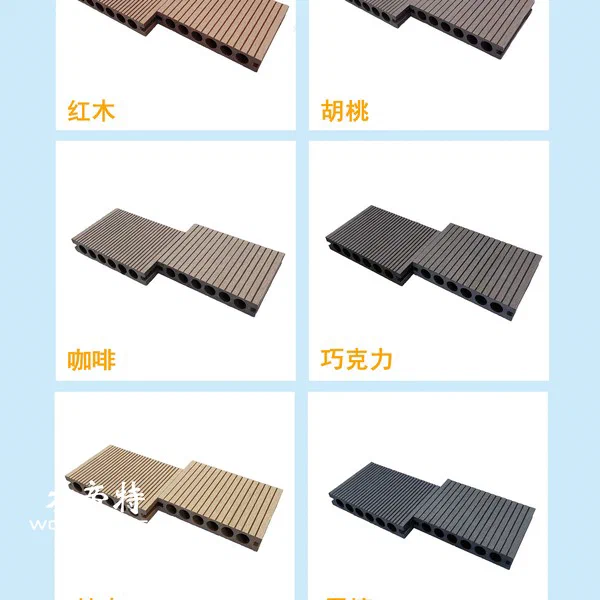
WPC (Wood Plastic Composite) decking has gained popularity for outdoor applications, including patios, gardens, and balconies, due to its durability and low maintenance requirements. This article examines the critical components of WPC, such as wood powder, HDPE/PVC polymers, additives, pigments, and modifiers, and how they influence product performance and longevity.
Material Components and Their Impact
Wood powder serves as a primary raw material, providing the natural aesthetic of wood while contributing to structural integrity. The quality of the wood powder affects the WPC’s strength and resistance to wear over time. A fine, well-processed wood powder leads to a smoother finish and enhances bonding with polymers.
HDPE (High-Density Polyethylene) and PVC (Polyvinyl Chloride) are the polymers commonly used in WPC formulations. HDPE offers excellent impact resistance and flexibility, making WPC products less prone to cracking. PVC, on the other hand, provides superior weather resistance and UV stability. The choice between HDPE and PVC can significantly influence the WPC’s durability under various environmental conditions.
Additives play a vital role in enhancing specific properties of WPC products. For instance, UV stabilizers protect against sun damage, while anti-fungal agents prevent mold growth. Additionally, fire retardants can be integrated to improve safety in outdoor settings. Each additive must meet quality standards to ensure effective performance.
Pigments are essential for achieving desired aesthetic qualities, but they also contribute to weather resistance. High-quality pigments help maintain color stability over time, reducing fading and discoloration from sun exposure.

Modifiers are often used to enhance the overall performance of WPC products. These may include lubricants that improve processing during manufacturing and impact modifiers that enhance resilience against drops and impacts.
Factory Inspection Methods
Quality control in WPC production is crucial for maintaining product standards. Regular inspections should be conducted at various stages of the manufacturing process:
- Raw Material Inspection: Before production, wood powder and polymers should be tested for moisture content, particle size, and purity.
- In-Process Monitoring: During extrusion, monitoring temperature and pressure ensures optimal processing conditions. Any deviations could affect product quality.
- Final Product Testing: Once the WPC boards are produced, they should undergo tests for tensile strength, moisture absorption, and UV resistance.
Adhering to standards such as ASTM and ISO can help ensure that the WPC products meet industry requirements, providing assurance of quality to customers.
Conclusion
Understanding the interplay between raw materials and additives is essential in producing high-performance WPC decking for outdoor applications. By implementing rigorous quality control measures throughout the production process, manufacturers can ensure that their products not only meet but exceed customer expectations.
FAQ
Q: What is the main advantage of using WPC decking for outdoor applications?
A: WPC decking combines the aesthetic appeal of wood with enhanced durability and weather resistance, making it ideal for outdoor use.
Q: How do additives improve the quality of WPC products?
A: Additives enhance properties such as UV resistance, mold prevention, and fire safety, contributing to the overall longevity of WPC products.
Q: What quality standards should WPC products meet?
A: WPC products should adhere to standards like ASTM and ISO to ensure reliability and performance in outdoor environments.
Related Articles
 HDPE Composite Lumber Offers Strong and Durable Material Solutions for Outdoor Construction Projects
 WPC Wooden Decking Combines Natural Wood Appearance With Modern Composite Material Advantages
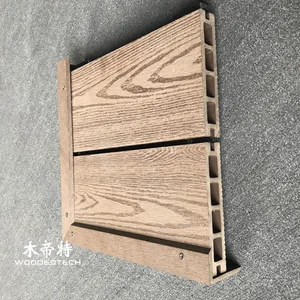 Composite Deck Flooring Options for Residential Gardens Patios Balconies and Commercial Outdoor Areas
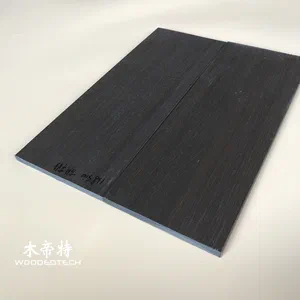 Outdoor WPC Deck for Durable Residential Gardens Patios Balconies and Landscape Projects
Related Products
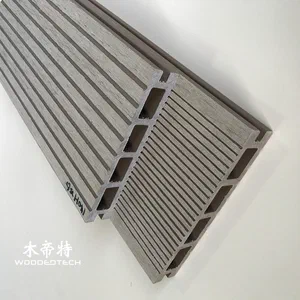 D14025-3 Composite Lumber for Decks Features a Classic Double Sided Groove Design with Excellent Value for Outdoor Projects
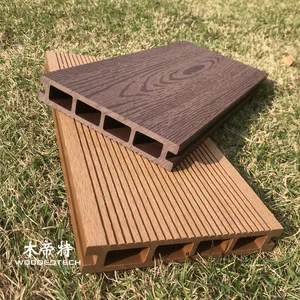 D14025-4 Composite for Decking Provides Stable Performance and Reliable Quality as a Popular Choice for Outdoor Projects
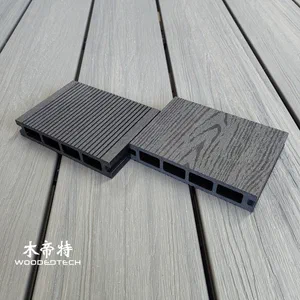 D14025-4 WPC Decking Boards Feature a Flat Wood Grain Surface with Black Ebony Heartwood Ring Grain for Outdoor Applications