
WPC Deck Boards: Industrial Applications, Benefits, and Supplier Selection
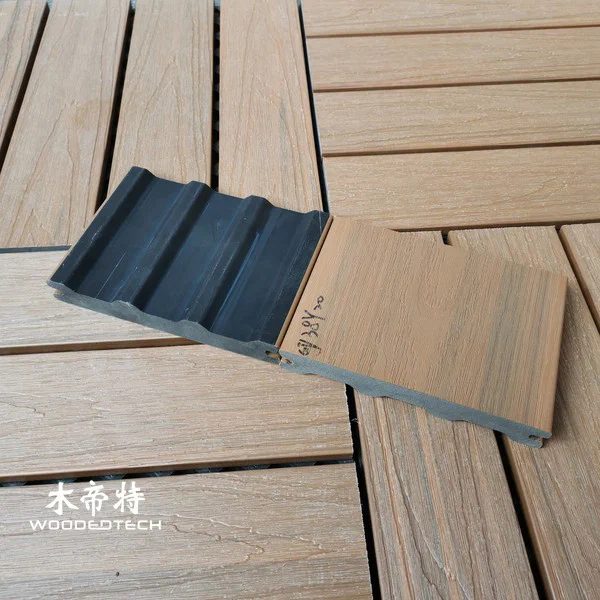
WPC deck boards are widely used in commercial and residential outdoor projects, including public walkways, hotel terraces, swimming pool surrounds, balconies, and landscaped areas. Made from a combination of wood fibers and thermoplastic materials, they offer a practical alternative to traditional timber by combining a natural wood appearance with improved weather resistance and reduced maintenance requirements. For overseas buyers, selecting the right WPC manufacturer involves more than comparing prices; material quality, production capabilities, technical specifications, and long-term supply reliability all need careful evaluation.
Industrial Applications of WPC Deck Boards
WPC decking is suitable for a wide range of outdoor environments where durability, appearance, and maintenance costs are important considerations. In commercial construction, it is commonly specified for hotel pool decks, restaurant terraces, shopping center walkways, resort platforms, and public recreational spaces. These applications require materials that can withstand frequent foot traffic, regular cleaning, and changing weather conditions.
In residential projects, WPC deck boards are popular for gardens, balconies, patios, rooftop terraces, and outdoor entertainment areas. Their wood-like appearance allows architects and contractors to create attractive outdoor spaces without the regular painting, staining, or sealing associated with natural timber.
Industrial and public infrastructure projects may also use WPC decking for boardwalks, waterfront platforms, pedestrian paths, and landscape facilities. However, buyers should evaluate the expected load, installation conditions, drainage requirements, and exposure to sunlight or moisture before selecting a specific product. Not every decking profile is suitable for every application.
Key Benefits of WPC Decking
One of the main advantages of wood plastic composite decking is its resistance to moisture. Unlike untreated natural wood, properly manufactured WPC boards are less susceptible to water absorption, splintering, and decay. This makes them a practical option for outdoor environments exposed to rain, humidity, and occasional water contact.
Another important benefit is reduced maintenance. WPC decking generally does not require routine painting or wood preservatives. Normal cleaning with water and suitable cleaning products is usually sufficient to maintain its appearance. This can reduce maintenance labor and operating costs for hotels, commercial properties, and public facilities.
WPC products also offer consistent colors, surface textures, and profile dimensions. Manufacturers can produce different finishes, including brushed, embossed, and wood-grain surfaces, to meet architectural requirements. Hollow and solid profiles provide additional flexibility depending on structural requirements, project budgets, and installation conditions.
For buyers with sustainability targets, recycled wood fibers and plastics can be incorporated into certain WPC formulations. However, recycled content alone does not guarantee environmental performance. Buyers should request relevant material declarations, certifications, and supporting documentation before making environmental claims.
How to Evaluate a Reliable WPC Factory
Choosing a reliable WPC supplier is one of the most important steps in an overseas purchasing project. Buyers should first distinguish between manufacturers with their own production facilities and trading companies that outsource production. Both business models can serve international markets, but direct factory communication generally makes it easier to verify manufacturing processes, discuss customization, and control product consistency.
A professional WPC factory should be able to explain its raw material sourcing, formulation control, extrusion processes, surface treatment methods, and quality inspection procedures. Ask for recent factory videos, production line photographs, equipment information, and samples from actual production batches. If possible, arrange a factory audit or appoint a third-party inspection company to verify the facility.

Production capacity is another important consideration. A supplier may offer attractive prices for small sample orders but struggle to maintain delivery schedules for large commercial projects. Confirm the number of extrusion lines, daily production capacity, available molds, workforce, and typical lead times.
Overseas buyers should also check export experience. A manufacturer familiar with international orders should understand export packaging, container loading, shipping documentation, product labeling, and communication requirements. Request references from previous overseas customers where available, especially those involved in similar project types.
Confirm Specifications Before Placing an Order
Clear technical specifications help prevent misunderstandings between buyers and manufacturers. Never approve a WPC decking order based on photographs or general descriptions alone. Request a detailed specification sheet covering the following information:
- Material composition: wood fiber and plastic types, approximate ratios, and recycled material content.
- Dimensions: board width, thickness, length, and dimensional tolerances.
- Profile structure: solid, hollow, or reinforced construction.
- Surface finish: brushed, embossed, smooth, or co-extruded protective layer.
- Physical performance: water absorption, flexural strength, impact resistance, and relevant load-bearing data.
- Weather performance: UV resistance, color stability, and applicable temperature limits.
- Safety characteristics: slip resistance and fire performance where required by local regulations.
Pay particular attention to the difference between standard WPC decking and co-extrusion decking. Standard products may have a relatively uniform composite structure, while co-extruded boards feature an additional protective polymer layer around the core. This can improve resistance to staining, moisture, and surface fading, depending on the formulation and manufacturing quality.
Buyers should request test reports based on recognized standards relevant to the destination market. Samples should also be checked for color consistency, surface quality, dimensional accuracy, and installation compatibility. Approve a physical sample before mass production and retain a reference sample for future quality comparisons.
Common Purchasing Risks and How to Avoid Them
Low quotations are attractive, especially when purchasing large quantities, but an unusually low price may indicate differences in raw material quality, board density, wall thickness, or production standards. Comparing prices without comparing specifications can result in unexpected performance problems after installation.
Another common risk is inconsistent product quality between sample approval and bulk delivery. To reduce this risk, include the approved sample, technical specifications, acceptable tolerances, and inspection criteria in the purchase agreement. For large orders, arrange pre-shipment inspections covering dimensions, appearance, packaging, and quantity.
Buyers should also pay attention to installation accessories. WPC decking requires compatible joists, clips, screws, edge trims, and suitable expansion gaps. Incorrect accessories or installation methods can lead to movement, uneven surfaces, or premature product damage. Ask the supplier to provide an installation guide and confirm that all accessories are compatible with the selected board profile.
Payment and delivery terms deserve equal attention. Verify the supplier’s registered company information, confirm the beneficiary account, and establish clear production milestones. Avoid making large advance payments without appropriate contractual protection. The agreement should specify delivery deadlines, packaging requirements, responsibility for defective products, and procedures for handling quality disputes.
Building a Long-Term Partnership with a WPC Supplier
For importers, distributors, contractors, and project developers, a reliable WPC manufacturer should provide more than competitive factory pricing. Consistent product quality, responsive technical support, stable production capacity, and dependable export services are essential for long-term cooperation.
Before starting a large purchasing program, consider placing a trial order to evaluate product performance, packaging quality, delivery reliability, and communication efficiency. Once the supplier demonstrates consistent results, discuss annual purchasing plans, customized colors, private-label packaging, and exclusive product specifications.
Working directly with an experienced Chinese WPC manufacturer can give overseas buyers access to flexible production options, competitive manufacturing costs, and a broader range of outdoor composite products. A carefully selected supplier helps reduce purchasing risks while supporting consistent quality across residential, commercial, and landscape projects.
Related Articles
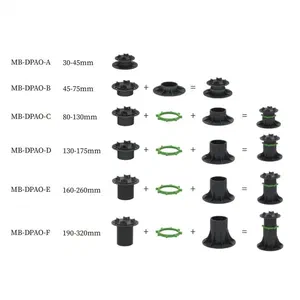 Composite Decking Lengths: A Guide to Industrial Sourcing and Specifications
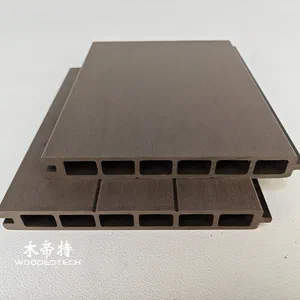 WPC Decking: A Comprehensive Guide to Manufacturing, Performance, and Applications
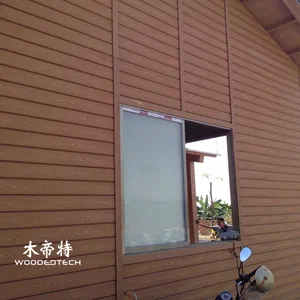 Composite Decking Buy Guide: Key Considerations for B2B Buyers in 2026
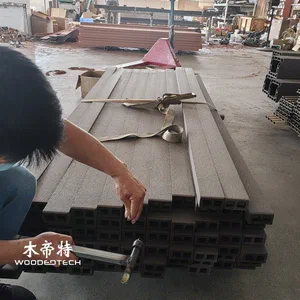 Optimizing Wood Plastic Composites for Scalable Industrial Manufacturing
Related Products
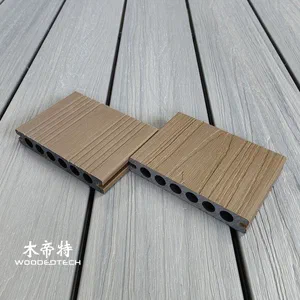 GD13823-3 Teak TK Co Extruded Decking Is a Popular Choice from Composite Decking Suppliers for Outdoor Flooring Projects
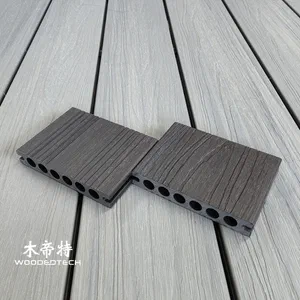 GD13823-3 Walnut WN Co Extruded Decking Features a Dark Rich Color That Helps Resist Visible Dirt and Stains
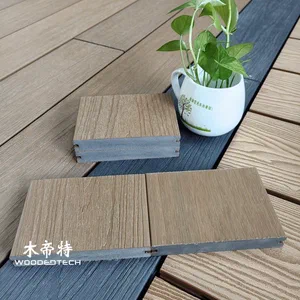 The GD14020S Composite Decking on Sale Features a Solid Core Structure Designed to Withstand Extreme Outdoor Temperature Changes and Freezing Conditions