
WPC Company Inc: Leading Innovations in Sustainable Material Solutions for 2023
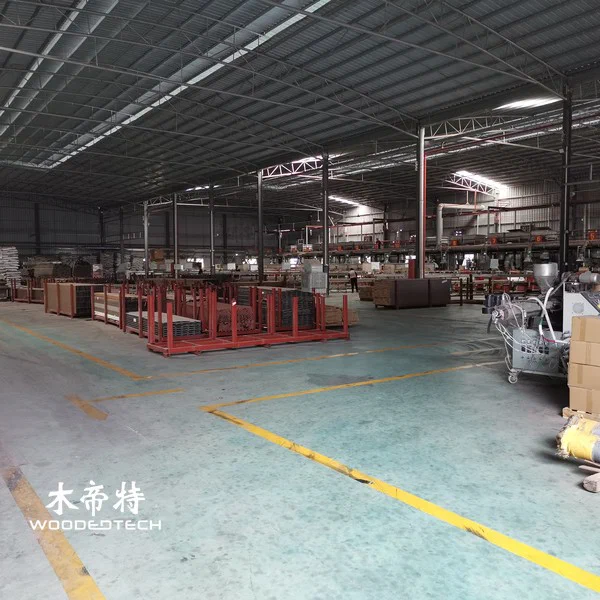
Outdoor wood plastic composite (WPC) materials are gaining attention as a sustainable alternative to traditional building products. By utilizing recycled materials and reducing the demand for wood, WPC offers a compelling solution for environmentally conscious consumers and builders alike. Its durability and low-maintenance requirements make it an ideal choice for outdoor applications.
Recycled Materials

A key advantage of outdoor WPC is its composition, which often includes a significant percentage of recycled plastics and wood fibers. This reduces the amount of waste sent to landfills and minimizes the need for virgin materials. By repurposing these materials, WPC manufacturers contribute to a circular economy, promoting sustainability without compromising quality. The use of recycled content not only decreases environmental impact but also helps to lower production costs, making it an appealing option for businesses.
Reduced Wood Consumption
WPC significantly decreases the reliance on natural wood, which is essential for forest conservation. Traditional lumber harvesting can lead to deforestation and habitat destruction. In contrast, WPC provides a durable and aesthetically pleasing alternative that doesn’t require cutting down trees. This conservation of natural resources is vital as the global demand for sustainable building materials continues to rise. By choosing WPC, companies can align with eco-friendly practices and demonstrate a commitment to sustainable development.
Durability
Outdoor WPC is engineered to withstand harsh weather conditions, making it a long-lasting option for outdoor spaces. Unlike traditional wood, WPC is resistant to rotting, splintering, and insect damage. This durability means that structures made from WPC can maintain their appearance and functionality for years, reducing the need for replacement and repairs. As a result, the lifecycle of WPC products is extended, further enhancing their environmental benefits.
Low-Maintenance Advantages
One of the most appealing aspects of outdoor WPC is its low-maintenance nature. Unlike wood, which often requires regular staining, sealing, or painting to maintain its appearance and structural integrity, WPC typically needs only occasional cleaning. This not only saves time and labor but also reduces the need for chemical treatments that can be harmful to the environment. The ease of maintenance associated with WPC allows homeowners and businesses to enjoy their outdoor spaces without the burden of constant upkeep.
Outdoor WPC stands out as a prime example of how innovation in materials can lead to more sustainable building practices. By leveraging recycled materials, reducing wood consumption, and offering durability and low-maintenance solutions, WPC is paving the way for a greener future in construction.
Related Articles
 Innovations in Recycled Plastic Wood Lumber: Transforming Sustainable Construction in 2023
 Innovations in Composite Boards for Decks: Enhancing Durability and Sustainability in 2023
 The Advantages of Composite Flooring for Industrial Applications: A 2023 Overview
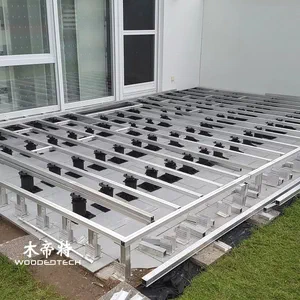 Innovations in Polymer Wood Composite: Enhancing Durability and Sustainability in 2023
Related Products
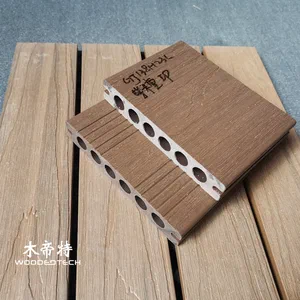 GD13823-3 Composite Boards for Decking Are Available in Multiple Stock Colors with 3 Meter Lengths and Single Piece Delivery
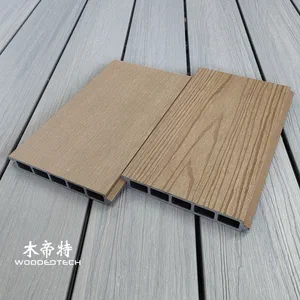 3DGL18024 WPC Longboard Fence Features Premium Co Extruded 3D Embossed Teak Wood Grain Texture with Realistic Natural Wood Fibers
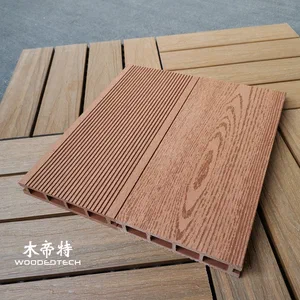 The Classic D14025-4 Red Wood WPC Wood Sheet Features a Timeless 2D Flat Wood Grain Design That Remains Popular After Twenty Years