
WPC co extrusion decking offers enhanced surface protection with modern outdoor flooring designs
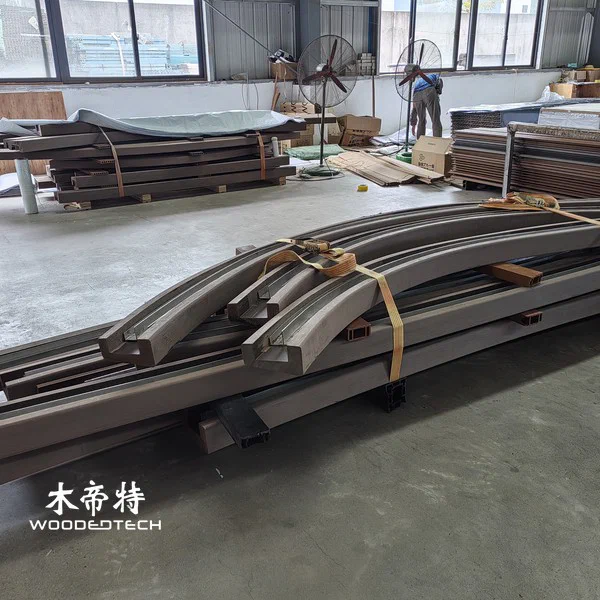
WPC co-extrusion decking is redefining outdoor flooring with better surface protection, cleaner styling, and longer-lasting color stability. The same design language is now shaping wall panels, fences, pergolas, gazebos, and landscape features for more unified outdoor spaces.
Modern outdoor design starts with a stronger surface
Co-extrusion technology gives WPC decking a protective outer layer that resists stains, moisture, fading, and everyday wear. For project owners, that means a floor that looks fresh longer and needs less upkeep, especially in poolsides, terraces, hospitality decks, and residential patios.
Designers are also using this performance upgrade to support more refined aesthetics. Instead of choosing a product only for durability, buyers now expect a board that delivers both technical reliability and a premium visual finish.
Colors and textures shape the mood
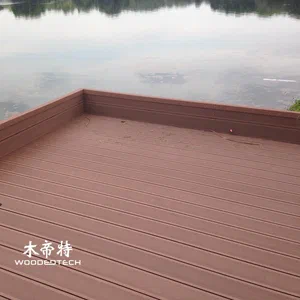
Outdoor materials are moving away from flat, uniform looks. Popular composite decking colors now include natural browns, charcoal grays, warm teak tones, and modern wood-inspired neutrals that coordinate easily with stone, metal, and glass.
Texture matters just as much as color. Deep wood grain embossing, matte finishes, and subtle brushed effects help reduce glare and make the surface feel more architectural. These details also carry through to wall cladding and fence systems, creating a consistent look across the site.
- Dark tones work well for modern villas and commercial terraces
- Mid-tone wood looks suit resort spaces and garden walkways
- Cool gray profiles pair well with minimalist facades and pergolas
Profiles and modular systems improve project flexibility
Outdoor spaces are easier to design when each product line follows the same visual logic. Matching profiles in decking, wall panels, railing, and fencing create a clean transition from floor to vertical surfaces.
Modular design is especially useful for fast installation and repeatable results. Interlocking deck boards, panel systems, and pre-sized components help reduce labor time while keeping the finish neat. This approach also works well for pergolas, gazebos, planter boxes, and decorative screens, where consistent spacing and proportions make the whole area feel more balanced.
Landscape products are becoming part of the architecture

Modern outdoor projects no longer treat benches, screens, flower pots, and privacy structures as separate add-ons. They are designed to connect with the decking and facade materials, so the entire landscape feels intentional.
WPC products are especially effective here because they can be shaped into slats, grilles, louvers, and clean-lined frames without losing the wood-look appeal. That gives designers more freedom to create shaded corners, private zones, and decorative focal points that still match the main flooring system.
FAQ
Q: Why is co-extrusion better for outdoor decking? A: The capped surface adds extra protection against stains, fading, and moisture. It helps the board keep its appearance in demanding outdoor conditions.
Q: How do colors and textures affect outdoor design? A: They set the visual style and help connect floors, walls, and structures into one coordinated space. Natural grains and modern neutral colors are the most versatile.
Q: Can WPC products be used beyond decking? A: Yes, they are widely used for wall panels, fencing, pergolas, gazebos, and landscape features. Modular matching makes it easier to design a consistent outdoor environment.
Related Articles
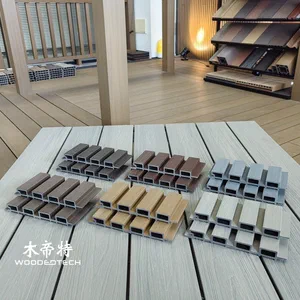 Composite decking light grey provides a modern color choice for stylish outdoor living spaces
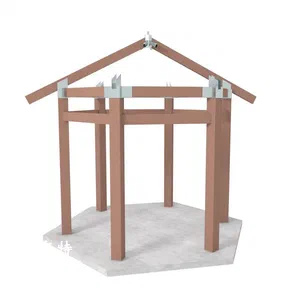 WPC wall panel advantages include stylish appearance easy maintenance and reliable outdoor performance
 coffee composite decking creates warm outdoor spaces with elegant wood inspired colors
 WPC 3d wall panel creates attractive three dimensional wall decoration effects for modern spaces
Related Products
 3DGD13823 Co Extrusion WPC Decking Features Second Generation 3D Embossed Surface with Improved Wood Finish Technology
 B17010 Plastic Wood Look Siding Provides Decorative Thin Boards for Modern Outdoor Wall Applications
 B7112 WPC Panel Design Exterior Boards Offer Stocked Fence Strips for Outdoor Decoration and Edge Finishing