
WPC Cladding Price Guide for Residential and Commercial Projects
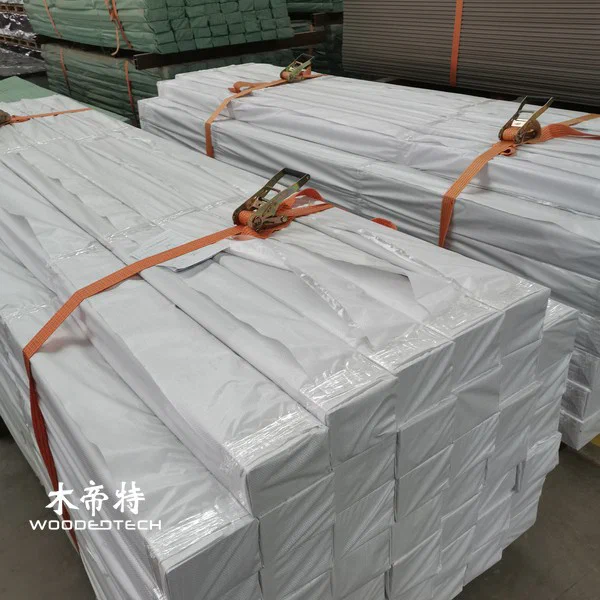
WPC cladding price guide helps residential and commercial buyers estimate project budgets with confidence while comparing material grades, finishes, and supply terms. For foreign trade purchasers, it is a practical reference for selecting durable exterior cladding that balances appearance, performance, and cost.
What Drives WPC Cladding Price
WPC cladding pricing is usually based on panel profile, surface treatment, thickness, density, and order volume. Co-extruded and embossed finishes often cost more than standard profiles, but they can improve weather resistance and reduce long-term maintenance. Shipping method, packaging requirements, and OEM customization also affect the final landed price.
Typical cost factors include:
- Panel size and thickness
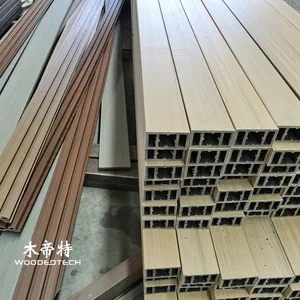
- Solid or hollow structure
- Surface texture and color
- UV-resistant or capped layer
- MOQ, loading quantity, and destination port
Key Features for B2B Buyers
WPC cladding is valued for stable performance in outdoor environments and a wood-like appearance without the same upkeep as natural timber. It resists moisture, fading, and insect damage better than many traditional materials, making it suitable for both new builds and renovation projects. Buyers also appreciate consistent batch quality and easy matching across large facade orders.
Main benefits:
- Low maintenance and easy cleaning
- Good dimensional stability
- Strong decorative effect for modern facades
- Suitable for OEM and wholesale supply
- Available in multiple colors and textures

Main Specifications
Common commercial specifications vary by factory, but most export-focused WPC cladding products can be supplied with flexible sizes and finishes to suit project needs.
- Material: wood plastic composite
- Surface: wood grain, brushed, or co-extrusion
- Structure: solid or hollow
- Width: custom or standard project sizes
- Length: fixed lengths or custom cutting
- Color: teak, gray, coffee, walnut, and custom tones
- Installation: concealed fastener or clip system
Typical Applications
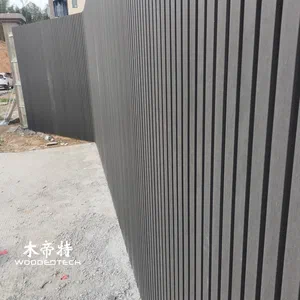
WPC cladding is used in residential villas, apartment exteriors, hotel facades, office buildings, retail storefronts, and landscape renovation work. It also fits balcony walls, boundary walls, decorative screens, and sheltered outdoor zones where a clean architectural finish is required. For buyers handling large projects, it offers a consistent look and easier sourcing than mixed natural materials.
FAQ
Q: Is WPC cladding suitable for commercial exterior projects? A: Yes, it is commonly used on commercial facades because it combines visual appeal with weather resistance and manageable maintenance.
Q: What affects WPC cladding price the most? A: Material structure, surface treatment, order quantity, and customization are the biggest pricing factors. Freight and packaging also influence the total landed cost.
Q: Can WPC cladding be customized for OEM orders? A: Yes, many factories support custom colors, sizes, textures, and branding for wholesale and project supply.
Related Articles
Related Products
 B14011 WPC Paneling Sheets Feature Double Flat Surfaces with Heat Pressed Wood Grain Designs for Outdoor Styles
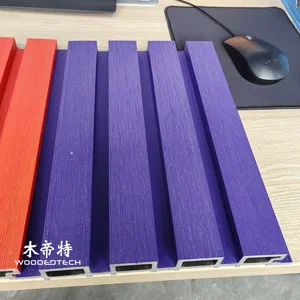
 B7112 WPC Panel Design Exterior Boards Offer Stocked Fence Strips for Outdoor Decoration and Edge Finishing
 WPC Decking Accessories Provide Complete Installation Components for Professional Outdoor Flooring Projects