
wpc cladding price details help customers compare exterior wall panel solutions and project budgets

WPC cladding price is one of the first details international buyers check when comparing exterior wall panel solutions and planning project budgets. The real value is not only the unit cost, but also the surface treatment, service life, installation method, and the factory’s ability to deliver consistent quality at scale.
What drives WPC cladding price
WPC cladding prices vary because each project has different specifications. A basic hollow profile, for example, will usually cost less than a co-extrusion product with stronger stain resistance and a more refined surface finish. Buyers also need to compare thickness, width, texture, color stability, and whether the panel is designed for vertical façade use or general exterior decoration.
Other price factors include:
- Raw material ratio and recycled content
- Solid or hollow structure
- 3D embossed or smooth finish
- UV resistance and weather performance
- Fire rating or special project requirements
- Order volume, packaging, and export terms

For overseas buyers, the cheapest quote is not always the best procurement choice. A lower initial price can become more expensive if the panels fade early, require frequent replacement, or need extra labor during installation.
How manufacturers build competitive pricing
A reliable WPC factory controls cost through stable extrusion, efficient production lines, and strict material management. When the formula is consistent, the panels keep better dimensional stability and reduce complaints from the site. That is why serious buyers often ask for samples, technical data, and loading details before comparing offers.
Factory-direct supply also matters. Working with a wpc wall panel factory or wpc factory can remove trading markups and make pricing easier to understand. For large projects, OEM support, custom colors, and project-specific lengths can improve both budget control and installation efficiency.
What buyers should compare beyond unit price
A true comparison should include the full installed cost, not just the panel price per square meter. Check whether the supplier can provide matching trims, clips, and installation guidance. Ask about lead time, carton packing, container loading, and the standard for quality inspection before shipment.
When evaluating exterior wall panel suppliers, buyers should confirm:
- Price per square meter or per piece
- Minimum order quantity
- Available surface textures
- Color customization options
- Warranty and after-sales support
- Export experience for the target market
This approach helps buyers compare wpc cladding price fairly across different exterior wall panel solutions. It also reduces the risk of choosing a product that looks good in the catalog but performs poorly on the building façade.
Best use cases for project budgeting
WPC cladding works well for commercial buildings, villa façades, garden walls, and renovation projects that need a modern wood-look finish with lower maintenance. If the project is budget-sensitive, a standard wpc wall cladding option may be enough. If the project requires stronger performance and a premium appearance, co-extrusion or 3d wpc wall panel options may deliver better long-term value.
The right pricing strategy is to match the panel type with the project’s exposure, design goals, and maintenance expectations. That gives buyers a clearer path to accurate budgeting and smoother procurement.
FAQ
Q: Why do WPC cladding prices differ so much between suppliers? A: The difference usually comes from material formula, surface technology, thickness, and factory quality control. Export packaging, customization, and order size also affect the final quote.
Q: Is a higher WPC cladding price always better? A: Not always, but higher-priced products often include better UV resistance, stronger profiles, or co-extrusion protection. Buyers should compare performance data and installed cost, not only the unit price.
Q: What should I request before placing a bulk order? A: Ask for samples, specifications, color options, installation details, and a full quotation with packing and delivery terms. This makes project budgeting much more accurate.
Related Articles
 exterior wpc wall panel price guide helps customers choose suitable outdoor facade decoration materials
 wpc wall panels price list helps buyers evaluate costs for different exterior wall decoration projects
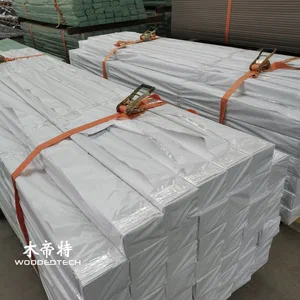 WPC Cladding Price Guide for Residential and Commercial Projects
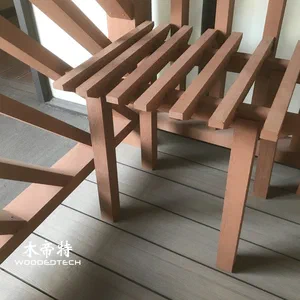 WPC Wall Panel Price Guide for Different Styles and Applications