
WPC Cladding Outdoor Systems Create Modern Exterior Walls with Weather Resistant Performance

The performance and durability of outdoor wood plastic composite (WPC) cladding systems are significantly influenced by the quality of their raw materials. Understanding the roles of wood powder, HDPE/PVC polymers, additives, pigments, and modifiers is essential for creating long-lasting, weather-resistant products that meet consumer expectations.
Raw Material Impact on Durability
The primary component in WPC products, wood powder, provides structural integrity and an authentic wood aesthetic. However, the type and quality of wood powder used can affect the composite’s overall performance. High-quality, finely milled wood powder enhances bonding between the polymer and the wood, leading to improved strength and reduced risk of warping or cracking.

HDPE and PVC polymers serve as the backbone of WPC products, offering resistance to moisture, UV light, and general wear and tear. The choice between these polymers can influence durability; for instance, HDPE is generally more flexible and impact-resistant, while PVC offers superior weather resistance. Selecting the right polymer based on environmental conditions is crucial for achieving the desired performance.
Additives and Modifiers
Additives play a vital role in enhancing the properties of WPC materials. For example, fire retardants can increase safety, while anti-fungal agents prevent mold and mildew growth. Performance modifiers also enhance the material’s flexibility and impact resistance, which is essential for outdoor applications.
Pigments used in WPC products not only add color but also provide UV protection. Quality pigments resist fading and ensure that the color stays vibrant, contributing to the aesthetic appeal of exterior walls over time.
Quality Control and Inspection Methods
To ensure high-quality WPC products, rigorous inspection methods are essential. In the factory, materials should be evaluated before production using the following methods:
- Visual Inspections: Assessing the appearance of wood powder and polymers for consistency and contamination.
- Physical Testing: Conducting tensile strength and impact resistance tests on finished samples to ensure they meet industry standards.
- Moisture Content Analysis: Measuring the moisture levels of wood powder to prevent issues like swelling or mold growth.
- Color Consistency Checks: Using spectrophotometers to ensure pigment uniformity across batches.
Adhering to quality standards such as ASTM and ISO certifications is crucial for maintaining product reliability and safety.
Conclusion
Selecting the right materials and implementing stringent quality control measures are fundamental in producing durable, weather-resistant WPC cladding systems. By focusing on the interplay between wood powder, polymers, additives, and pigments, manufacturers can ensure that their outdoor products meet both aesthetic and performance expectations.
FAQ
Q: What materials are commonly used in WPC cladding?
A: WPC cladding primarily consists of wood powder, HDPE or PVC polymers, additives, and pigments.
Q: How does wood powder affect WPC durability?
A: High-quality wood powder improves bonding within the composite, enhancing strength and reducing warping.
Q: What quality standards should WPC products meet?
A: WPC products should comply with industry standards such as ASTM and ISO to ensure reliability and safety.
Related Articles
 Best WPC Decking Provides High Quality Outdoor Flooring Solutions for Global Markets
 WPC Deck Provides Natural Wood Appearance with Long Lasting Outdoor Performance
 WPC Exterior Wall Cladding Price Depends on Material Quality Design and Project Requirements
 Boat Decking Composite Provides Durable and Low Maintenance Flooring Solutions for Outdoor Marine Applications
Related Products
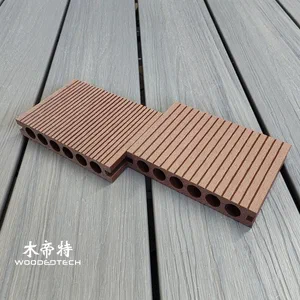 D14025-5 First Generation Large And Small Groove Redwood Color WPC Panel Material With Popular Outdoor Appearance
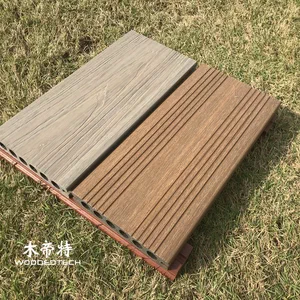 GD13823-3 Second Generation Co Extruded Wood Plastic Composites With High Quality Stable Performance For Premium Outdoor Applications
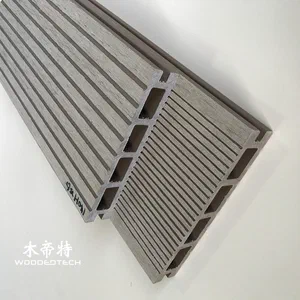 D14025-3 Composite Lumber for Decks Features a Classic Double Sided Groove Design with Excellent Value for Outdoor Projects