
wpc cladding meaning explains the features and applications of wood plastic composite exterior wall systems

WPC cladding meaning refers to wood plastic composite exterior wall systems that combine wood fibers and recycled polymers into a durable, weather-resistant surface. For outdoor projects, it is widely chosen as an environmentally friendlier alternative to solid wood because it uses less virgin timber, lasts longer, and needs far less upkeep.
What WPC cladding means in practice
WPC cladding is not just a decorative finish. It is a functional exterior layer designed to protect building walls from sun, rain, and temperature changes while delivering a wood-like appearance. In modern construction, this makes it useful for facades, garden walls, commercial buildings, and residential exteriors where appearance and performance both matter.
The sustainability value starts with the material blend. Many products are made from recycled plastic and reclaimed wood flour or fibers, which helps divert waste from landfills and reduces dependence on freshly cut timber. Because the composite format uses wood more efficiently than traditional lumber, it supports lower forest resource consumption without sacrificing a natural look.

Why it is considered environmentally friendly
Outdoor WPC supports more responsible material use in several ways. First, recycled content gives a second life to plastic and wood by-products that would otherwise be discarded. Second, the product’s long service life means fewer replacements over time, which lowers the total environmental burden of repair and renovation.
WPC also reduces the need for coatings, sealants, and frequent chemical treatments that many exterior wood systems require. That matters for projects aiming to cut maintenance-related emissions and labor. When a cladding system does not need regular sanding, staining, or repainting, it saves time, resources, and ongoing product consumption.
Durability and low-maintenance advantages
Durability is one of the strongest reasons buyers choose outdoor WPC. It is designed to resist moisture, cracking, splitting, and insect damage better than many natural wood products. For exterior wall applications, that stability helps the building envelope stay attractive and protected for longer periods.
Low maintenance is equally important. A simple wash is usually enough to keep the surface clean, which is a major benefit for homeowners, contractors, and property managers. Less maintenance means fewer replacement materials, less water use, and fewer harsh cleaning or finishing products over the life of the project.
Common exterior applications
WPC cladding is used in a wide range of exterior settings:
- Residential facade upgrades
- Commercial wall cladding
- Garden and boundary walls
- Balcony and terrace wall finishes
- Decorative exterior screening
Its consistent appearance and weather resistance make it suitable for projects that need both design flexibility and long-term performance. For sustainable building specifications, it is often selected as part of a broader move toward eco-friendly exterior materials.
FAQ
Q: Is WPC cladding really better for the environment than wood? A: In many cases, yes. It can reduce virgin timber demand, use recycled inputs, and last longer with less maintenance than traditional wood cladding.
Q: Does outdoor WPC need special maintenance? A: No major treatment is usually required. Routine cleaning with water and mild detergent is typically enough to keep it in good condition.
Q: Where is WPC cladding most often used? A: It is commonly used on exterior walls for homes, commercial buildings, and landscaping features where weather resistance and a wood-like look are important.
Related Articles
 wpc cladding brisbane solutions meet outdoor architectural needs with durable wood plastic composite materials
 composite shed cladding provides attractive protection and improved appearance for outdoor storage buildings
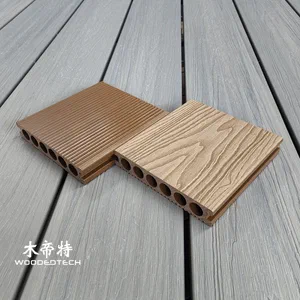 Wood plastic composites provide sustainable material solutions for global outdoor applications
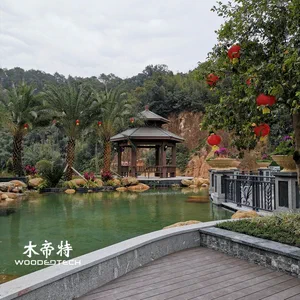 composite decking deck boards provide attractive outdoor flooring with low maintenance advantages
Related Products
 B1409.5 Siding WPC Exterior Boards Provide Waterproof Insect Resistant and Durable Outdoor Wall Solutions
 F4030 wpc exterior solid decorative square strips provide versatile outdoor decoration and landscaping solutions
 D14025-3 cheapest composite decking with classic redwood color provides reliable outdoor flooring performance proven over time