
wpc cladding brisbane solutions meet outdoor architectural needs with durable wood plastic composite materials

WPC cladding in Brisbane gives architects and landscape designers a practical way to shape outdoor spaces that need to perform in heat, moisture, and heavy everyday use. Wood plastic composite materials offer the look of timber with far less upkeep, making them a strong fit for façades, screens, seating zones, and boundary features across residential and commercial projects.
Why WPC Works in Outdoor Design
For exterior work, the main advantage of WPC is consistency. Unlike natural timber, it does not rely on frequent sealing, staining, or painting to stay presentable. That matters on projects where the design intent is clean, repeatable, and easy to maintain over time.
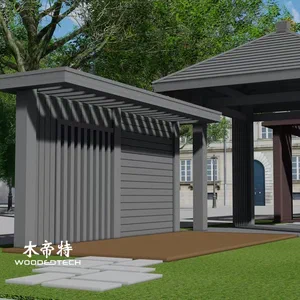
Architects often use WPC cladding to soften hard building edges, hide service areas, or connect built form with planting and paved zones. Landscape designers use it to create privacy screens, feature walls, planter surrounds, and seat enclosures that read as part of one coordinated material palette.
Project Considerations

Material selection should start with exposure. In Brisbane conditions, cladding on a shaded courtyard wall behaves differently from cladding on a fully exposed boundary or poolside structure. UV load, wind, splashback, and drainage all affect how the system should be detailed.
A few points deserve early attention:
- Board profile and finish: choose a texture and colour that suit the surrounding hardscape and planting without looking too glossy or synthetic.
- Fixing method: confirm hidden or exposed fixings, movement allowances, and corner details before drawings are finalised.
- Substructure: make sure the support frame, battens, and ventilation strategy match the product specification.
- Fire and compliance needs: check project-specific requirements before selecting a system.
- Maintenance access: design for cleaning, inspection, and replacement where needed, especially near commercial entries and high-traffic zones.
Matching Product Type to the Space
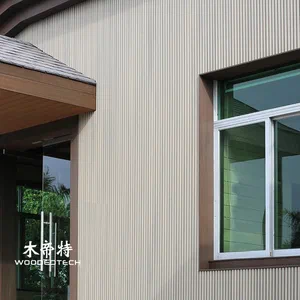
Not every WPC product suits every application. Vertical cladding, slatted screens, and wall panels each solve a different problem. For façade areas that need stronger architectural expression, a deeper profile or textured surface can add shadow and scale. For compact courtyards, slimmer boards or panel systems usually read better and reduce visual noise.
Where the project includes decks, steps, or pool-adjacent areas, designers should coordinate cladding with matching WPC decking or stair components so the surface language stays coherent. That creates a more finished result and simplifies specification across multiple trades.
Selection Advice for Designers
The best outcome usually comes from treating WPC as a complete exterior system rather than a decorative finish. Ask suppliers for technical data on UV resistance, thermal movement, colour stability, and installation requirements. For larger projects, sample boards in the actual site light before locking in the final colour.
It also helps to compare product quality levels early. Lower-cost materials may look acceptable in a sample, but the real test is whether they hold alignment, resist fading, and remain easy to clean after years of outdoor exposure. A reliable product is one that supports the design intent without creating maintenance work for the client.
FAQ
Q: Where is WPC cladding most useful in outdoor projects? A: It is commonly used on façades, privacy screens, planter enclosures, outdoor seating features, and service areas where durability matters.
Q: How does WPC compare with timber in Brisbane conditions? A: WPC generally needs less maintenance and offers more stable performance in moisture and sun exposure, which suits demanding outdoor settings.
Q: What should designers confirm before specifying WPC cladding? A: They should verify exposure conditions, fixing details, ventilation, compliance needs, and the product’s colour and UV performance.
Related Articles
 wpc cladding meaning explains the features and applications of wood plastic composite exterior wall systems
 wpc cladding gate designs combine decorative appearance with durable outdoor protection for entrance structures
 Composite wood decking installation provides step by step solutions for building beautiful outdoor decks
 Ultimate Guide to WPC Cladding HS Code and Global Import Tariff Standards
Related Products
 B14011 WPC Paneling Sheets Feature Double Flat Surfaces with Heat Pressed Wood Grain Designs for Outdoor Styles
 B7112 WPC Panel Design Exterior Boards Offer Stocked Fence Strips for Outdoor Decoration and Edge Finishing
 WPC Decking Accessories Provide Complete Installation Components for Professional Outdoor Flooring Projects