
WPC Charcoal Wall Panels: Industrial Applications, Benefits, and Selection Guide
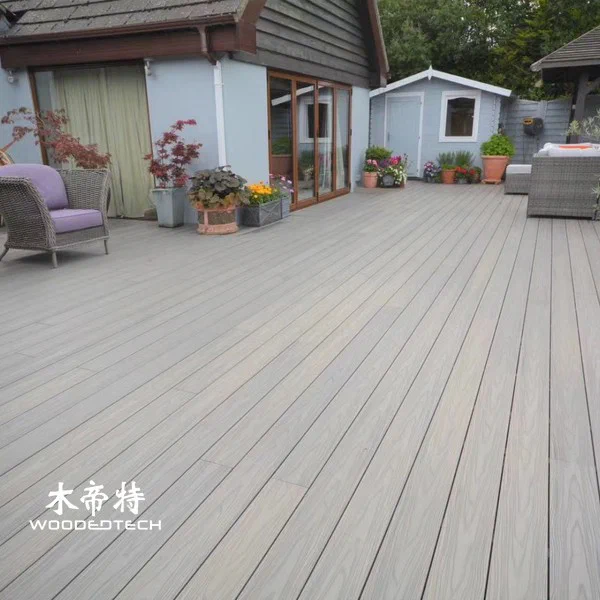
WPC charcoal wall panels are wood-plastic composite cladding products designed to create a modern, dark architectural finish while providing practical performance in commercial and industrial environments. Their charcoal colour, textured surfaces, and relatively low maintenance requirements make them suitable for exterior facades, commercial buildings, hospitality projects, public facilities, and selected residential applications.
Industrial and Commercial Building Applications
WPC charcoal wall panels are increasingly used in commercial and industrial architecture where designers want a contemporary appearance without the ongoing maintenance associated with traditional timber cladding. Their dark grey and charcoal tones complement concrete, glass, steel, aluminium, and other industrial materials, making them particularly suitable for modern building exteriors.
Common applications include:
- Factory and warehouse exterior feature walls
- Industrial office facades and reception areas
- Commercial building entrances and exterior partitions
- Retail storefronts and shopping centre feature walls
- Exhibition halls and commercial showrooms
- Office building decorative cladding
For industrial projects, charcoal panels can create a consistent architectural appearance across large wall surfaces. They are particularly effective when combined with metal framing, glass curtain walls, or exposed concrete. However, project engineers should confirm the panel’s fire classification, UV resistance, temperature tolerance, and suitability for the intended installation environment before specifying it for industrial buildings.
Hotels, Resorts, and Hospitality Projects
Hotels and resorts require exterior materials that balance appearance, durability, and maintenance costs. WPC charcoal wall panels can help create a premium architectural style across entrance areas, outdoor corridors, restaurant facades, and recreational facilities.
For hotels, suitable applications include:
- Main entrance feature walls and reception exteriors
- Outdoor restaurant and café partitions
- Resort building facades
- Poolside changing room exterior walls
- Outdoor lounge and entertainment areas
- Decorative walls around garden pathways
Charcoal panels work particularly well in contemporary hospitality designs. They provide a sophisticated contrast against natural landscaping, warm outdoor lighting, and lighter architectural materials.
For coastal resorts, material selection requires additional attention. Salt exposure, humidity, strong sunlight, and temperature fluctuations can affect long-term performance. Buyers should request relevant weathering and corrosion-resistance information and confirm that the supporting metal accessories are suitable for coastal conditions.
Residential Gardens, Balconies, and Outdoor Living Areas
Residential gardens and balconies are practical applications for decorative WPC wall cladding. Homeowners can use charcoal panels to create privacy, define outdoor living spaces, and improve the appearance of exterior walls without relying on frequent timber staining or repainting.
Recommended applications include garden boundary feature walls, outdoor kitchen backgrounds, balcony privacy screens, patio partitions, and decorative walls around seating areas.
In garden projects, charcoal wall panels can be combined with WPC decking, pergolas, planters, and outdoor furniture to create a coordinated outdoor design. For balconies, they can provide a clean backdrop for greenery and outdoor seating.
Before installation, check the balcony’s structural capacity, drainage arrangements, ventilation, and local fire regulations. Panels should not obstruct drainage outlets or ventilation openings, and the installation system should accommodate thermal expansion.
Parks, Swimming Pool Areas, and Public Facilities
Public landscapes require materials that can maintain their appearance under frequent use and changing weather conditions. WPC products offer useful design options for parks, recreational spaces, swimming pool facilities, and municipal landscaping projects.
Charcoal wall panels can be used for:
- Decorative walls in public gardens and parks
- Exterior cladding for park service buildings
- Changing room and shower facility walls
- Outdoor seating area partitions
- Pool equipment enclosure walls
- Public restroom exterior feature walls
- Recreational facility entrances
Around swimming pools, WPC charcoal panels can create an attractive contrast with water, stone paving, and lighter decking materials. However, wall panels should not automatically be treated as waterproof barriers or pool safety products. Specify systems designed for the actual moisture exposure, and use suitable waterproofing behind the cladding where required.
For public facilities, project managers should also consider impact resistance, cleaning requirements, vandalism exposure, fire performance, and the availability of replacement panels. These factors help reduce maintenance interruptions throughout the building’s service life.

Key Benefits of WPC Charcoal Wall Panels
WPC combines wood fibres or wood flour with thermoplastic polymers and other additives. The exact formulation varies between manufacturers, so performance should always be assessed using product-specific technical data.
Key advantages include:
- Modern appearance: Charcoal finishes create a clean, contemporary look that complements industrial and commercial architecture.
- Reduced maintenance: Compared with untreated timber, WPC generally requires less frequent surface treatment and repainting.
- Moisture resistance: Properly formulated WPC products offer resistance to moisture-related deterioration, although they are not necessarily waterproof.
- Design flexibility: Different profiles, textures, surface finishes, and installation directions allow architects to develop customised facade designs.
- Consistent appearance: Manufactured profiles can provide more uniform dimensions and colour than many natural timber alternatives.
- Resource efficiency: Some WPC products incorporate recycled plastics and recovered wood materials, depending on the manufacturer’s formulation.
These benefits make WPC an attractive option for projects where visual consistency and manageable maintenance requirements are important purchasing considerations.
How to Select the Right WPC Charcoal Wall Panels
Choosing the right product requires more than comparing colour samples and unit prices. Buyers should evaluate the intended application, environmental exposure, technical specifications, and installation requirements.
First, identify whether the panels are designed for interior decoration or exterior wall cladding. Outdoor applications require suitable UV resistance, moisture performance, and temperature stability. Do not assume that every decorative WPC panel is suitable for exposed exterior installation.
Second, compare the material composition and manufacturing process. Solid and hollow profiles have different weight, rigidity, and installation characteristics. Co-extruded products may offer an additional protective surface layer, depending on their construction.
Third, review the following specifications:
- Panel dimensions, thickness, and profile design
- Density, weight, and mechanical properties
- UV resistance and colour stability
- Water absorption and dimensional stability
- Fire classification and applicable test standards
- Recommended installation spacing and fixing methods
- Warranty conditions and maintenance instructions
Finally, consider the complete installation system. Subframes, fasteners, corner trims, expansion gaps, ventilation cavities, and drainage details all influence long-term performance. Charcoal surfaces can also absorb more solar heat than lighter colours, so thermal movement and installation clearances deserve particular attention.
For large industrial, hotel, and public infrastructure projects, requesting samples, technical data sheets, test reports, and project-specific installation recommendations before bulk purchasing is a sensible approach. Working with an experienced WPC manufacturer can also help buyers obtain consistent colours, customised profiles, and coordinated accessories for different architectural applications.
Related Articles
 WPC for Wall Cladding: Industrial Applications, Benefits, and Material Selection
 WPC Panels for Wall: A Guide to Industrial Interior Applications
 WPC Exterior Panels for Attractive Outdoor Walls Building Facades and Exterior Cladding Applications
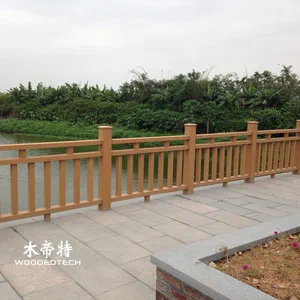 WPC Fence Wholesale for Outdoor Landscaping Projects Residential Properties and Commercial Developments
Related Products
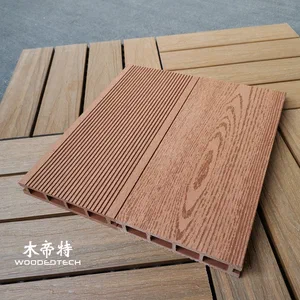 The Classic D14025-4 Red Wood WPC Wood Sheet Features a Timeless 2D Flat Wood Grain Design That Remains Popular After Twenty Years
 B14011 WPC Paneling Sheets Feature Double Flat Surfaces with Heat Pressed Wood Grain Designs for Outdoor Styles
 B17010 Plastic Wood Look Siding Provides Decorative Thin Boards for Modern Outdoor Wall Applications