
WPC Building Materials Provide Sustainable Solutions For Modern Construction And Outdoor Projects

Outdoor Wood Plastic Composite (WPC) is increasingly recognized as an environmentally friendly alternative in modern construction and landscaping projects. By combining recycled materials with innovative technology, WPC offers a sustainable solution that addresses the growing demand for eco-friendly building materials.
Recycled Materials and Reduced Wood Consumption
One of the key benefits of WPC is its composition. Made from a blend of recycled wood fibers and plastic, WPC significantly reduces the need for virgin timber. This not only helps in conserving forests but also minimizes the environmental impact associated with logging. By using recycled materials, WPC contributes to a circular economy, ensuring that resources are utilized efficiently and waste is reduced.
Durability and Longevity
WPC is designed to endure harsh outdoor conditions, offering superior durability compared to traditional wood. Its resistance to rot, mold, and insects means that it can last longer without the frequent replacements that natural wood may require. This longevity translates into less waste and fewer resources spent on replacements, making WPC a smart choice for sustainable building practices.
Low Maintenance Advantages
Another significant advantage of WPC is its low maintenance requirement. Unlike wood, which often needs regular staining, sealing, and painting, WPC retains its aesthetic appeal with minimal care. A simple wash with soap and water is usually enough to keep it looking new. This ease of maintenance not only saves time and effort but also reduces the need for chemical treatments that can harm the environment.
Versatility in Design

WPC offers flexibility in design, allowing builders and architects to create various styles and finishes that mimic the look of natural wood. This versatility helps in integrating WPC into diverse architectural designs, from decks to wall panels, enhancing both functionality and visual appeal without compromising sustainability.
Conclusion
Choosing outdoor WPC for construction and landscaping projects presents an opportunity to align with sustainable practices. Its use of recycled materials, durability, low maintenance, and design versatility position it as a preferred choice for environmentally conscious builders and consumers alike.
FAQ
Q: What materials are used in WPC?
A: WPC is primarily made from recycled wood fibers and plastic, which helps to reduce waste and conserve natural resources.
Q: How does WPC compare to traditional wood in terms of maintenance?
A: WPC requires much less maintenance than traditional wood, needing only occasional cleaning with soap and water to maintain its appearance.
Q: Is WPC suitable for all outdoor applications?
A: Yes, WPC is ideal for various outdoor applications, including decking, fencing, and wall cladding, due to its durability and resistance to the elements.
Related Articles
 WPC Cladding Wall Solutions Provide Decorative and Protective Exterior Building Surfaces
 Good Decking Composite Provides Reliable Outdoor Flooring Options with Low Maintenance Benefits
 How To Install Wpc Wall Panel With A Complete Step By Step Guide
 wpc decking blog shares professional knowledge about outdoor composite flooring installation maintenance and trends
Related Products
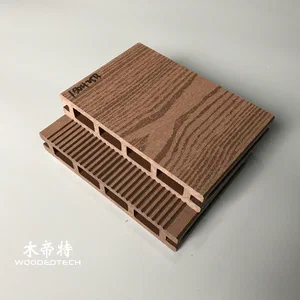 D15025-2 Classic Waterproof Insect Resistant Corrosion Resistant And Termite Resistant Composite Decking Types With Twenty Years Of Sales Experience
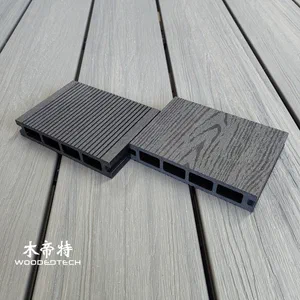 D14025-4 WPC Decking Boards Feature a Flat Wood Grain Surface with Black Ebony Heartwood Ring Grain for Outdoor Applications
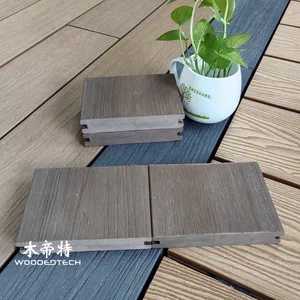 GD14025S Capped WPC Provides a Solid Board Structure for Better Load Bearing Performance and Reduced Space for Insects Inside the Board