WPC Beams for Outdoor Structures Pergolas Gazebos and Other Architectural Applications
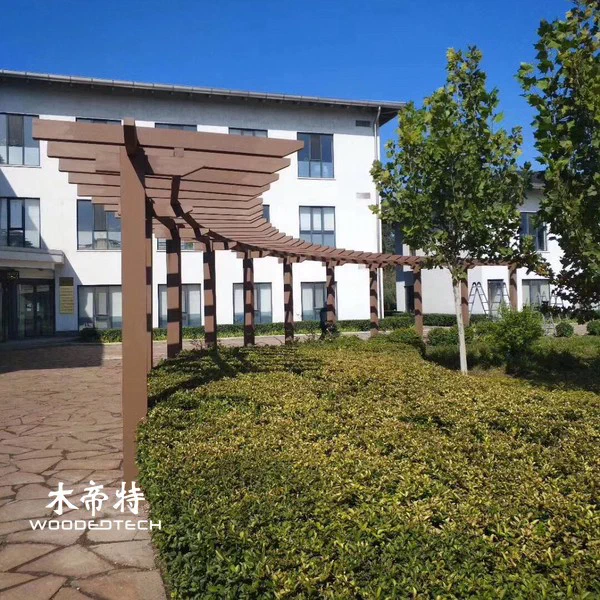
Architects and landscape designers increasingly turn to wood plastic composite (WPC) materials for outdoor structures like pergolas and gazebos due to their durability and low maintenance requirements. WPC products combine the aesthetic appeal of wood with the resilience of plastic, making them ideal for various architectural applications. This article explores how these professionals utilize WPC beams to create functional and visually appealing outdoor environments.
Advantages of WPC Beams
WPC beams offer several benefits that make them a preferred choice in landscape engineering. First, their resistance to weather elements ensures that structures maintain their integrity over time without warping, splintering, or rotting. This durability translates into a longer lifespan with minimal upkeep, which is a significant advantage for architects and landscape designers focused on sustainability and cost-effectiveness.

Moreover, WPC materials are available in various colors and textures, allowing designers to create customized looks that complement the surrounding landscape. The option for 3D embossed finishes adds an extra layer of design versatility, allowing for unique visual elements that can enhance any outdoor space.
Project Considerations
When incorporating WPC beams into outdoor projects, several factors should be taken into account. First, it’s essential to assess the specific environmental conditions of the site, such as exposure to sunlight, moisture levels, and temperature fluctuations. These factors can influence the choice of WPC products, as some formulations are specifically designed to withstand harsher conditions.
Additionally, the intended use of the structure plays a crucial role in material selection. For instance, a pergola designed for hosting events may require more robust beams compared to a simple garden gazebo. Understanding the load-bearing requirements and the overall design aesthetic will guide the selection process.
Material Selection Advice
Choosing the right WPC product involves evaluating several key characteristics. Look for fully capped composite options that offer enhanced protection against moisture and UV rays. This feature is particularly important for outdoor applications, ensuring that the beams remain vibrant and functional over time.
It’s also beneficial to consider the ease of installation. Many WPC products are designed for straightforward assembly, which can significantly reduce labor costs and project timelines. Architects and designers should seek products that come with comprehensive installation guidelines or support.
Lastly, collaborating with reputable suppliers who can provide technical data and samples is vital. This step allows designers to make informed decisions based on the specific needs of their projects while ensuring product quality.
FAQ
Q: What are WPC beams used for in outdoor structures?
A: WPC beams are primarily used in constructing outdoor structures like pergolas and gazebos, providing durability and low maintenance.
Q: How do WPC materials compare to traditional wood?
A: WPC materials are more resistant to weathering, do not splinter or rot, and require less maintenance than traditional wood.
Q: Are WPC products environmentally friendly?
A: Many WPC products are made from recycled materials, making them an eco-friendly choice for outdoor applications.
Related Articles
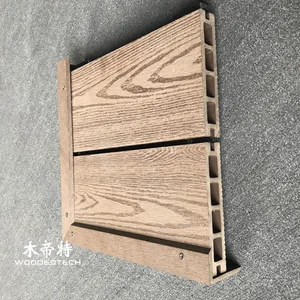 Composite Deck Flooring Options for Residential Gardens Patios Balconies and Commercial Outdoor Areas
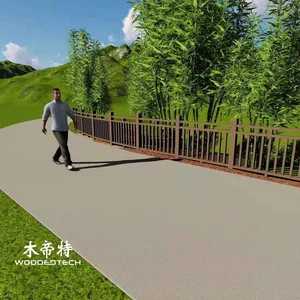 Composite Gazebo for Durable Outdoor Garden Shade Structures and Leisure Areas
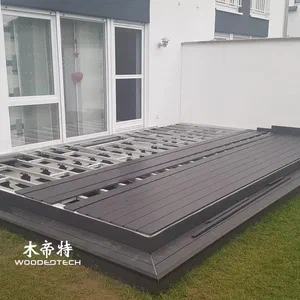 Composite Material Applications for Outdoor Decking Cladding Fencing Furniture and Garden Structures
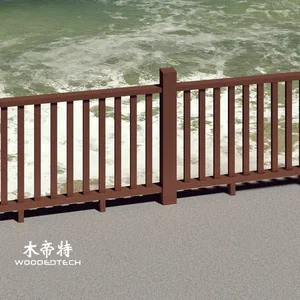 Composite Teak for Durable Outdoor Decking Furniture Cladding and Landscape Applications
Related Products
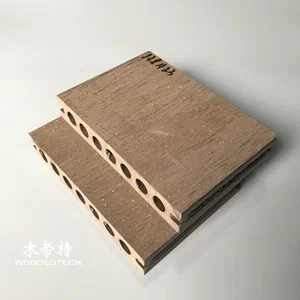 D13823 Round Hole Double Sided Flat WPC Bamboo Decking Boards With Strong Quality And Various Wood Grain Surface Treatments
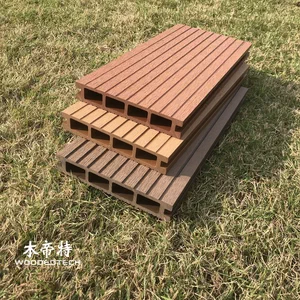 D14025-3 Square Hole Double Sided Grooved WPC Board Factory Producing Outdoor Decking Boards With Good Slip Resistance
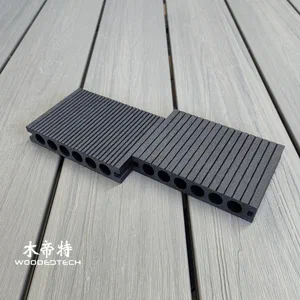 D14025-5 First Generation Large And Small Groove Ebony Color Composite Board With Low Profile Style And Dirt Resistant Outdoor Performance