WPC Abkürzung Explained: Industrial Applications and Standards Guide
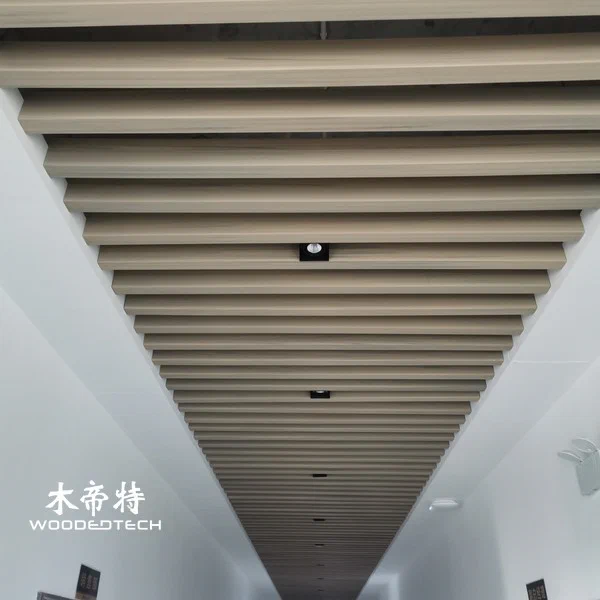
WPC is the abbreviation for Wood Plastic Composite, a modern material that combines wood fibers or powder with thermoplastics to create durable outdoor building products. For manufacturers, contractors, and distributors, understanding the WPC meaning helps identify suitable applications, performance standards, and sourcing requirements for international projects.
What Does WPC Mean in Manufacturing?
WPC stands for Wood Plastic Composite, also known as wood polymer composite in some markets. It is produced by blending renewable wood materials with polymers such as polyethylene or polypropylene, then forming the mixture through extrusion technology. This manufacturing process creates a stable material with the appearance of natural wood and improved resistance to moisture, insects, and weather conditions.
Industrial WPC production requires careful control of raw material ratios, extrusion temperature, surface treatment, and quality inspection. Professional suppliers usually provide customized profiles, colors, textures, and dimensions to meet different construction requirements.
Industrial Applications of WPC Materials
WPC has become widely used in outdoor construction because it offers low maintenance and long service life compared with traditional timber products. Common applications include:
- WPC decking for residential terraces, commercial spaces, and public areas
- WPC cladding for exterior walls and architectural decoration
- WPC fencing and privacy screens for gardens and outdoor facilities
- WPC railing systems, pergolas, and landscape structures
- WPC wall panels for decorative and functional exterior designs
For global buyers, outdoor wpc decking and wood plastic composite cladding are popular solutions because they combine aesthetic appeal with practical durability. These products are often selected for hotels, parks, residential developments, and commercial landscaping projects.

WPC Standards and Buyer Considerations
International buyers should evaluate WPC products based on material quality, production technology, and compliance requirements. Important factors include moisture resistance, UV stability, load capacity, slip resistance, and dimensional stability.
Reliable WPC manufacturers typically use advanced extrusion lines and conduct tests for product strength, weather resistance, and safety performance. Certifications and testing reports may be required depending on the destination market and project specifications.
When choosing a supplier, buyers should also review manufacturing capabilities, customization options, packaging standards, and export experience. A professional wood plastic composite manufacturer can support OEM projects, private labeling, and large-volume orders with consistent product quality.
WPC technology continues to develop with innovations such as co-extrusion surfaces, enhanced protective layers, and improved recycling methods. These advancements allow manufacturers to produce more durable and sustainable composite building products for worldwide applications.
FAQ
Q: What is the full form of WPC? A: WPC means Wood Plastic Composite. It is a material made from wood fibers and plastic polymers for construction and outdoor applications.
Q: Is WPC suitable for outdoor use? A: Yes, WPC is commonly used outdoors because it offers resistance to moisture, weather exposure, and insect damage when properly manufactured.
Q: What products can be made from WPC? A: WPC can be used for decking, cladding, fencing, railing, wall panels, pergolas, and other outdoor building solutions.
Related Articles
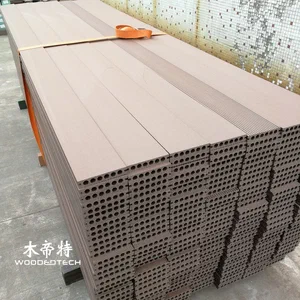 Leading Supplier of wpc decking philippines: Quality Materials for Tropical Climates
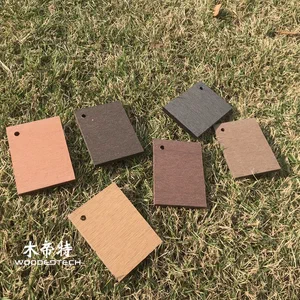 len("wpc vs aluminium: A 2026 Industrial Material Comparison Guide")
 WPC Cladding Outdoor Systems Create Modern Exterior Walls with Weather Resistant Performance
 Wood Plastic Deck Boards Combine Natural Appearance with Durable Outdoor Performance
Related Products
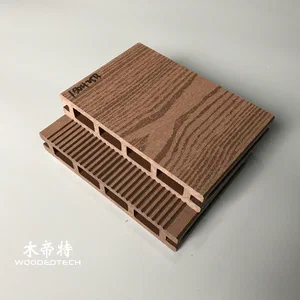 D15025-2 Classic Waterproof Insect Resistant Corrosion Resistant And Termite Resistant Composite Decking Types With Twenty Years Of Sales Experience
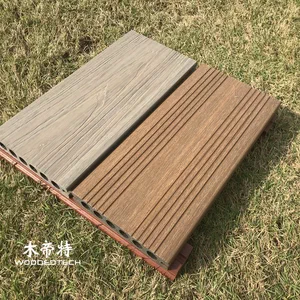 GD13823-3 Second Generation Co Extruded Wood Plastic Composites With High Quality Stable Performance For Premium Outdoor Applications
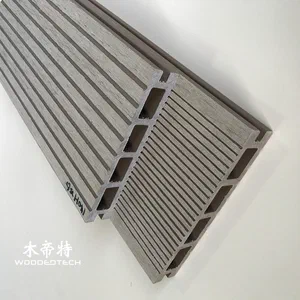 D14025-3 Composite Lumber for Decks Features a Classic Double Sided Groove Design with Excellent Value for Outdoor Projects