
WPC 3d model helps designers visualize creative outdoor and interior decoration solutions
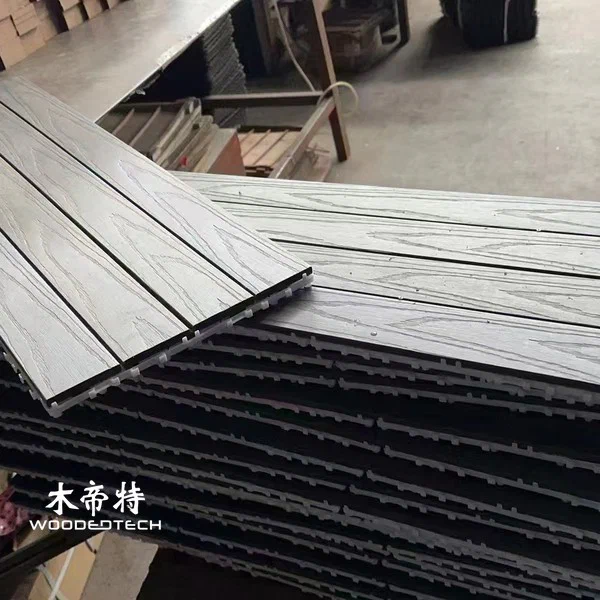
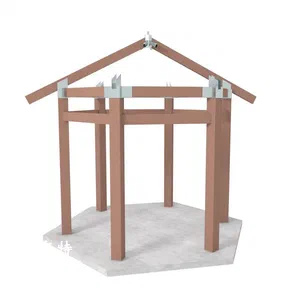
WPC 3D models give designers a clear way to plan outdoor and interior decoration before production begins. They help visualize how decking, wall panels, fences, pergolas, gazebos, and landscape elements will work together in real projects.
Why 3D visualization matters in WPC design
A good WPC 3D model does more than show shape. It helps buyers and designers compare colors, surface textures, profiles, and proportions in one view, which reduces guesswork and speeds up approval. For foreign trade projects, that means faster sampling, fewer revisions, and a clearer path from concept to order.
Modern outdoor spaces are moving away from plain, repetitive layouts. Designers now want layered surfaces, cleaner lines, and coordinated finishes that connect the house, terrace, and garden. A realistic model makes it easier to test combinations such as wood grain composite decking with vertical cladding, or a matching fence and pergola in the same color family.
Trends shaping modern outdoor WPC products
Today’s composite decking trends favor deeper embossing, matte finishes, and natural wood tones that feel warm without looking rustic. Popular colors include walnut, teak, dark gray, and soft beige because they work well in both residential and commercial spaces. Profiles also matter: narrow boards create a refined look, while wider boards give a calmer, more open impression.
For wall panels and facade systems, fluted, slatted, and 3D embossed surfaces are in demand because they add shadow and movement. These effects make exterior walls, balcony fronts, and indoor feature walls look more architectural. Fences and privacy screens are also becoming more design-led, with horizontal lines, hidden fixings, and modular panels that look clean from every angle.
How modular design improves outdoor spaces
Modular WPC products help designers build flexible outdoor layouts that are easier to install and maintain. Interlocking deck tiles, modular pergola parts, and repeatable fence panels can be arranged to suit different site sizes without losing visual consistency.
This approach works well for:
- small patios that need a neat finish
- rooftop terraces with limited installation time
- garden zones that combine seating, shade, and privacy
- commercial spaces that need a uniform brand image
A modular concept also supports product families. The same color and texture can be carried from decking to wall cladding, then repeated in a gazebo, planter, or decorative screen. That continuity makes the whole project feel intentional.
Designing for both style and function
WPC outdoor products must look good and perform well. Designers now look for slip resistance, UV stability, waterproof performance, and easy cleaning alongside visual appeal. A strong 3D model helps show how these features support real use, whether the product is for a pool deck, a resort pergola, or a private courtyard.
For manufacturers and buyers, this is where concept development becomes practical. The right model helps turn creative ideas into sellable product lines with clear dimensions, realistic finishes, and better market fit.

FAQ
Q: Why use a WPC 3D model before production? A: It helps teams review appearance, structure, and color matching early. That reduces errors and makes customer approval faster.
Q: Which WPC products benefit most from 3D design? A: Decking, wall panels, fences, pergolas, and gazebos benefit most because their style depends on proportions, texture, and layout. Landscape products also need visual coordination to work well together.
Q: What design details are most important in modern WPC products? A: Color, surface texture, and modular profile are the key details. They shape the final look and help outdoor spaces feel coordinated and high-end.
Related Articles
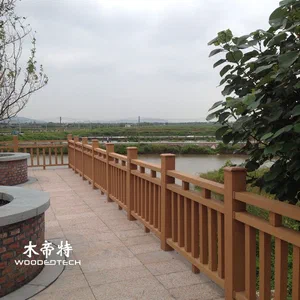 7 inch wide composite decking provides a spacious surface design for comfortable outdoor living areas
 coffee composite decking creates warm outdoor spaces with elegant wood inspired colors
 WPC wall panel advantages include stylish appearance easy maintenance and reliable outdoor performance
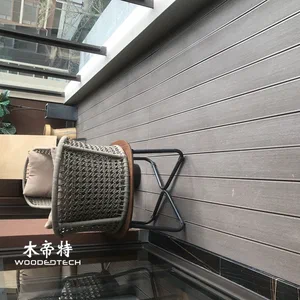 outdoor 3d wall panels create attractive textured walls with modern architectural appearance
Related Products
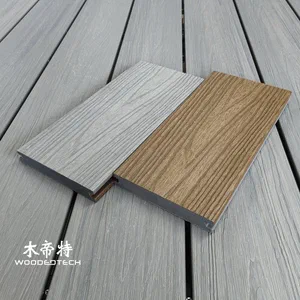 Second Generation Two Color Co Extruded 3D Embossed 3DGD14023S Composite Wood Deck Boards Feature an Extremely Realistic Antique Wood and Teak Grain Texture
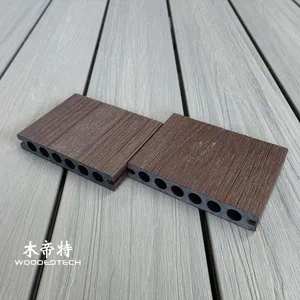 GD13823-3 Redwood Color Round Hole Co Extrusion Decking Composite Decking Brings Classic Chinese Red Style to Outdoor Flooring Projects
 3D15023 150mm Width 23mm Thickness Round Hole 3D Embossed Chocolate Color Outdure Composite Decking Creates Elegant Outdoor Spaces