
Wood Polymer Lumber Provides a Durable Alternative Material for Outdoor Construction Applications

:::writing{variant=“document” id=“58391”} Wood Polymer Lumber Provides a Durable Alternative Material for Outdoor Construction Applications
Wood polymer lumber, commonly known as wood plastic composite (WPC), offers a durable alternative to natural wood and traditional timber for outdoor construction. It combines wood fibers and polymers to create exterior materials with improved resistance to moisture, weathering, and daily wear. For decks, fences, cladding, pergolas, and outdoor structures, WPC provides a balance of appearance, performance, and long-term value.
WPC Compared with Natural Wood and Timber
Natural wood remains popular for outdoor projects because of its authentic grain, warm appearance, and easy workability. However, untreated wood is vulnerable to moisture absorption, rot, insect damage, cracking, and color changes caused by sunlight. Traditional timber structures often require regular staining, sealing, and surface repairs to maintain their performance.
Wood polymer lumber reduces many of these maintenance challenges. Its polymer content helps limit water penetration, while the composite structure provides better resistance against decay and pests. Modern WPC products can also replicate the appearance of timber through wood grain textures and color options, making them suitable for projects where aesthetics are important.
Compared with aluminum, WPC provides a more natural appearance and warmer surface feel. Aluminum has excellent strength, corrosion resistance, and fire performance, but it may not offer the visual character required for residential landscapes or hospitality spaces. WPC is also easier to customize for applications such as outdoor decking, privacy fencing, and wall cladding.
Advantages, Limitations, and Maintenance Requirements
Key advantages of wood polymer lumber include:

- Resistance to moisture, rot, and insect damage
- Lower maintenance compared with natural wood
- Stable performance in changing outdoor conditions
- Wide range of colors, textures, and surface finishes
- Use of recycled materials in many WPC formulations
WPC is not completely maintenance-free. Dirt, leaves, and stains should still be removed through regular cleaning. In areas with extreme temperature changes, proper installation with expansion gaps is necessary to prevent movement or deformation.
Compared with wood, WPC usually has a higher initial purchase cost. However, the total lifecycle cost can be lower because it requires fewer repairs, coatings, and replacements. Timber may have a lower upfront price but can accumulate expenses from painting, sealing, replacement boards, and structural repairs over time.
Lifecycle Cost and Outdoor Applications
For commercial and residential outdoor construction, material selection should consider long-term performance rather than only initial cost. WPC decking, fencing, railing, and cladding systems can maintain their appearance for many years with basic care, making them a practical choice for projects seeking durability and reduced maintenance.
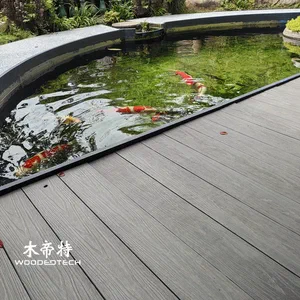
Applications such as outdoor flooring, garden structures, balconies, pool areas, and exterior walls benefit from WPC’s combination of stability and design flexibility. When compared with wood, timber, and aluminum alternatives, wood polymer lumber provides a reliable solution for modern outdoor environments where performance and appearance must work together.
FAQ
Q: Is wood polymer lumber better than natural wood for outdoor use? A: WPC generally offers better moisture resistance and requires less maintenance than natural wood. Natural wood may still be preferred for projects that prioritize authentic timber characteristics.
Q: How long does wood polymer lumber last outdoors? A: Quality WPC products can provide many years of outdoor service when properly installed and maintained according to manufacturer guidelines.
Q: Does WPC cost more than traditional timber? A: WPC often has a higher initial cost, but its lower maintenance requirements can make it more economical over the full lifecycle.
:::
Related Articles

Related Products
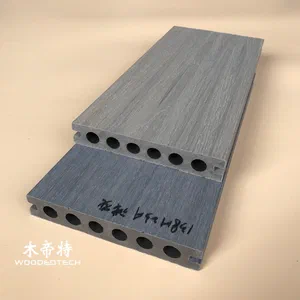 GD13823 Composite Decking Material Features Six Small Round Holes to Reduce Weight While Maintaining Structural Strength
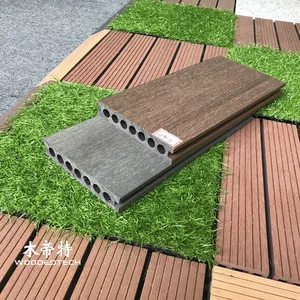 GD13823-2 Wood Versus Composite Decking Features Seven Round Holes with Wood Grain and Brushed Textures on Opposite Sides
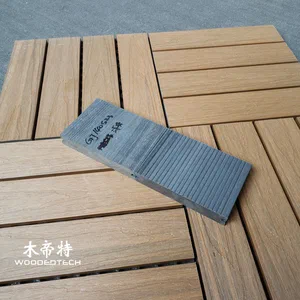 GD14023S Composite Deck Materials Feature a Solid Structure and Side Grooves for Better Adaptability in Extremely Cold Climates