
Wood Polymer Composite: Industrial Applications, Benefits and Market Trends
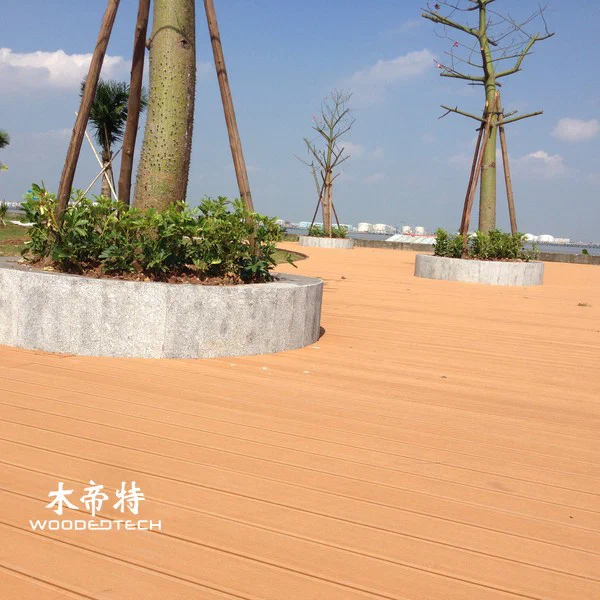
Wood polymer composite (WPC) combines wood fibers or wood flour with thermoplastics to create durable, versatile materials for construction, landscaping, and outdoor architecture. Its growing use in decking, wall cladding, fencing, pergolas, and landscape products reflects demand for low-maintenance building materials, resource efficiency, and contemporary exterior design.
Industrial Applications of Wood Polymer Composite
WPC has become an established alternative to traditional timber in residential, commercial, and public infrastructure projects. Its adaptability to extrusion and molding processes allows manufacturers to produce profiles in different sizes, colors, textures, and finishes.
- Outdoor decking: WPC decking boards provide a wood-like appearance for patios, balconies, pool surrounds, hospitality terraces, and commercial walkways. Capped composite decking adds a protective outer layer designed to improve resistance to moisture, staining, and surface wear.
- Wall cladding and facades: WPC wall cladding offers architects a practical option for exterior renovations and contemporary building envelopes. Slatted panels, decorative grilles, and facade louvers support modern designs while providing visual screening and shading.
- Fencing and privacy systems: Composite fencing combines privacy, weather resistance, and consistent appearance. Aluminum-supported systems offer additional structural flexibility for residential boundaries, commercial properties, and landscape projects.
- Pergolas and landscape products: Composite pergolas, gazebos, benches, planters, and decorative screens help create coordinated outdoor environments. These products are increasingly relevant to hospitality developments, public spaces, and residential landscaping.
Key Benefits for Construction and Manufacturing
WPC offers several practical advantages over conventional wood, although performance depends on formulation, profile design, installation, and environmental exposure.
Its resistance to moisture-related decay, reduced need for painting or staining, and relatively consistent appearance can lower routine maintenance requirements. Unlike untreated timber, quality composite products do not require the same regular protective treatments against rot and insects.
Manufacturers can also incorporate recycled plastics and recovered wood fibers, supporting material recovery and reducing demand for virgin resources. However, recycled content, recyclability, and environmental performance vary between products and should be verified through supplier documentation and lifecycle assessments.
For B2B buyers, extrusion-based production enables repeatable dimensions, customized profiles, and coordinated product ranges. OEM manufacturing, private labeling, and custom color development create opportunities for distributors, contractors, and building-material brands seeking differentiated offerings.

Global Market Trends and Future Opportunities
Demand for composite building materials is supported by urban development, outdoor living projects, commercial renovation, and interest in lower-maintenance exterior products. North America and Europe offer established markets for composite decking, fencing, and residential landscaping, while Asia-Pacific presents opportunities linked to construction activity, urbanization, and expanding outdoor leisure infrastructure.
Several product developments are shaping future demand. Co-extrusion technology is improving surface protection and appearance, while wood-grain embossing and contemporary color options help composites meet changing architectural preferences. Integrated decking, railing, fencing, and pergola systems also appeal to buyers seeking coordinated product solutions.
For manufacturers and exporters, opportunities include customized WPC profiles, wholesale composite decking, facade systems, and complete outdoor product collections. Commercial landscaping, hotels, resorts, and public infrastructure offer additional applications where maintenance requirements and long-term operating costs influence material selection.
Future growth will depend on consistent quality, competitive pricing, compliance with regional building and fire-safety requirements, and reliable export logistics. Suppliers that combine product innovation with documented performance, installation support, and flexible OEM services can address the evolving needs of international construction markets.
FAQ
Q: What is wood polymer composite mainly used for?
A: WPC is widely used for outdoor decking, exterior wall cladding, fencing, pergolas, railings, and landscape furniture.
Q: Is WPC more sustainable than natural wood?
A: WPC can incorporate recycled plastics and recovered wood fibers, but its overall environmental impact depends on material sourcing, manufacturing, service life, and end-of-life management.
Q: What opportunities exist for WPC exporters?
A: Exporters can target customized profiles, composite outdoor systems, private-label manufacturing, and growing demand for low-maintenance exterior building materials.
Related Articles


Related Products
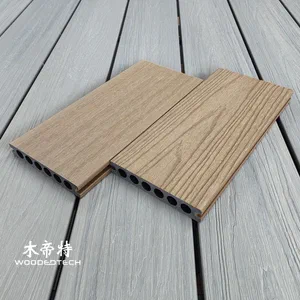 3DGD13823 Second Generation 3D Embossed Teak Decking Composite Material Features Ultra Realistic Wood Grain Texture for Elegant Outdoor Flooring
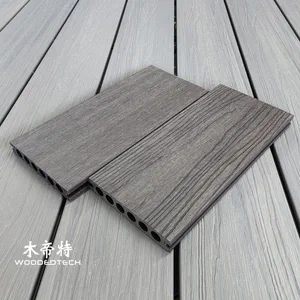 3DGD13823 Second Generation 3D Embossed Walnut WPC Decking Combines Ultra Realistic Wood Grain Texture with the Natural Beauty of Walnut for Outdoor Spaces
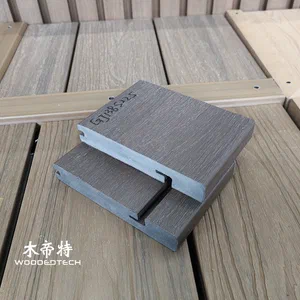 GD13822.5S Fully Capped Solid Starter Wood Polymer Composite Decking Provides a Stable Starting Structure for the First Decking Board