
Wood Polymer Composite Door Frames: Benefits, Applications and Industry Standards
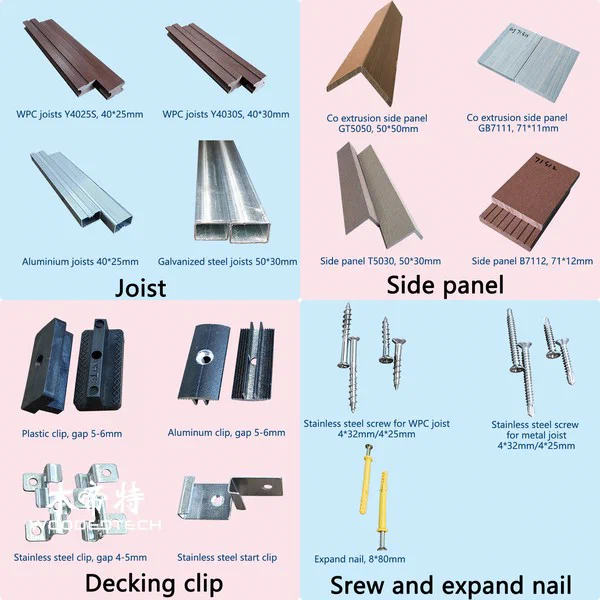
Wood polymer composite (WPC) door frames combine wood fibers or wood flour with thermoplastic polymers to create a durable alternative to traditional timber frames. They offer moisture resistance, dimensional stability, low maintenance requirements, and consistent manufacturing quality, making them suitable for residential, commercial, and industrial building projects. When properly specified, WPC door frames can provide long-term performance while meeting the functional and aesthetic requirements of modern construction.
What Are Wood Polymer Composite Door Frames?
WPC door frames are manufactured by combining wood-based materials with polymers such as PVC, PE, or PP, along with processing additives and performance modifiers. The resulting composite material can be extruded or molded into different frame profiles, sizes, and surface finishes.
Unlike conventional solid wood frames, WPC profiles are less susceptible to moisture-related swelling, warping, and cracking. They also avoid some of the maintenance requirements associated with natural timber, such as regular painting, sealing, and treatment against biological deterioration.
Depending on the formulation and manufacturing process, WPC door frames can feature wood-grain textures, smooth finishes, or customized colors. Some manufacturers also offer hollow and solid profiles to accommodate different structural requirements, installation conditions, and project budgets.
Key Benefits of WPC Door Frames
Moisture resistance is one of the main advantages of WPC door frames. Traditional timber can absorb moisture, particularly in humid environments or areas exposed to occasional water contact. WPC materials generally offer better resistance to moisture absorption, making them suitable for bathrooms, kitchens, laundry rooms, and other interior applications where humidity is a concern.
Dimensional stability is another important benefit. Quality WPC formulations are designed to reduce the risk of cracking, splitting, and deformation caused by changes in environmental conditions. However, thermal expansion and contraction still need to be considered during installation, especially in locations experiencing significant temperature fluctuations.
WPC door frames also offer practical maintenance advantages. Their composite construction does not require the same routine protective treatments as untreated wood. Cleaning generally involves a damp cloth and mild detergent, helping property owners and facility managers reduce ongoing maintenance work.
From a design perspective, WPC profiles can be manufactured in various dimensions, colors, and decorative finishes. Manufacturers can produce wood-look surfaces that complement modern, minimalist, traditional, and contemporary architectural styles. This flexibility is particularly useful for large residential developments and commercial projects that require consistent appearance across multiple doors.
Environmental considerations may also influence material selection. Some WPC products incorporate recycled polymers or recovered wood fibers, reducing reliance on virgin raw materials. However, the actual environmental benefits depend on material sourcing, recycled content, manufacturing energy, service life, and end-of-life disposal options.
Common Applications Across Different Building Projects
WPC door frames are widely applicable in residential construction, particularly in bedrooms, bathrooms, kitchens, and interior partitions. Their moisture resistance makes them an attractive option for areas where conventional timber frames may require additional protection. For apartment developments and housing projects, standardized WPC profiles can also simplify procurement and help maintain consistent installation quality.
In commercial buildings, WPC frames can be considered for offices, retail stores, educational facilities, and hospitality interiors. These environments often require durable materials with predictable dimensions and straightforward maintenance. Hotels, serviced apartments, and other accommodation projects may benefit from WPC frames in guest rooms, bathrooms, and selected back-of-house areas.
Public buildings and institutional facilities represent another potential application. Healthcare facilities, schools, administrative buildings, and community centers frequently involve high levels of daily use. WPC frames can be specified where their material properties meet the project’s impact resistance, hygiene, fire performance, and durability requirements.
For coastal properties and buildings in humid climates, WPC door frames may offer advantages over untreated timber because of their lower moisture sensitivity. Nevertheless, direct exposure to sunlight, standing water, chemicals, or extreme temperatures should be evaluated against the manufacturer’s product specifications.
It is important to distinguish between interior and exterior applications. Standard WPC door frames are generally intended for interior use. Exterior applications require products specifically engineered and tested for UV exposure, temperature variation, weather resistance, and the relevant structural loads.
Manufacturing Quality and Technical Specifications

The performance of WPC door frames depends heavily on raw material selection, formulation control, processing technology, and quality inspection. Manufacturers should maintain consistent proportions of wood fibers, polymers, and additives to achieve reliable mechanical and dimensional properties.
Important technical considerations include:
- Density and profile structure: Determine the suitability of solid or hollow profiles for the intended door weight and installation conditions.
- Flexural strength: Evaluate resistance to bending under expected service loads.
- Screw-holding performance: Check whether hinges, locks, and fixing accessories can be securely installed.
- Water absorption: Assess resistance to moisture penetration and dimensional changes.
- Dimensional tolerances: Ensure profile consistency for accurate assembly and installation.
- Surface quality: Inspect color consistency, texture, finish adhesion, and resistance to everyday wear.
- Thermal performance: Consider expansion and contraction under expected temperature conditions.
For manufacturers supplying international construction markets, documented production controls and batch-level quality inspections are particularly important. Buyers should request technical data sheets, test reports, installation instructions, and samples before approving a product for large-scale projects.
Industry Standards and Compliance Considerations
There is no single universal standard covering every type of WPC door frame. Applicable requirements depend on the destination market, intended building application, door assembly, and material formulation.
For projects in the United States, relevant evaluation may include ASTM D7032, which addresses performance requirements for wood-plastic composite decking and guardrail systems. However, it should not automatically be treated as a door-frame certification. Buyers should identify product-specific test methods and applicable building code provisions.
In Europe, EN 15534 provides a framework for characterizing wood-plastic composites and their components. Its relevant parts can help assess material properties, although additional product-specific requirements may apply to door frames and complete door assemblies.
Fire performance deserves particular attention. WPC products contain polymer components, so their reaction to fire must be evaluated rather than assumed. Depending on the project, testing may involve ASTM E84 in the United States or EN 13501-1 classification in Europe. The applicable requirements should be confirmed with the local building authority.
For commercial and public buildings, additional considerations may include smoke development, indoor air emissions, mechanical fixing performance, accessibility, and compatibility with fire-rated door assemblies. A WPC frame should only be used in a fire-rated opening when the complete door-frame system has the required tested or approved configuration.
Installation and Procurement Recommendations
Correct installation is essential to achieving the expected service life of WPC door frames. Installers should verify the opening dimensions, wall conditions, frame alignment, and compatibility of fasteners before assembly. Appropriate expansion gaps should be maintained according to the manufacturer’s installation instructions, particularly where temperature changes may affect profile dimensions.
Hinges and locking hardware should be fixed using suitable screws and reinforcement where required. Hollow profiles may need internal supports or dedicated fixing solutions to provide adequate screw-holding performance. Using conventional timber installation methods without checking the composite profile specifications can lead to loose hardware or premature failure.
For B2B buyers, selecting a reliable WPC door frame supplier involves more than comparing unit prices. Evaluate production capacity, extrusion consistency, customization options, raw material traceability, quality management procedures, and export experience. It is also advisable to confirm minimum order quantities, lead times, packaging requirements, and availability of replacement profiles.
A well-engineered WPC door frame can provide a practical balance of durability, moisture resistance, design flexibility, and maintenance efficiency. By matching the material formulation, profile design, installation method, and compliance documentation to the intended application, architects, contractors, and distributors can make more reliable material decisions for residential and commercial construction projects.
Related Articles

Related Products
 GD13823-3 Composite Boards for Decking Are Available in Multiple Stock Colors with 3 Meter Lengths and Single Piece Delivery
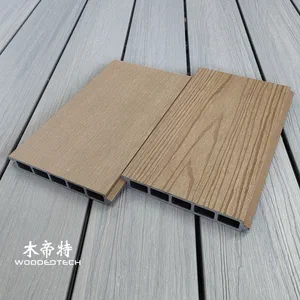 3DGL18024 WPC Longboard Fence Features Premium Co Extruded 3D Embossed Teak Wood Grain Texture with Realistic Natural Wood Fibers
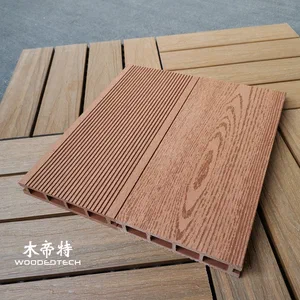 The Classic D14025-4 Red Wood WPC Wood Sheet Features a Timeless 2D Flat Wood Grain Design That Remains Popular After Twenty Years