
Wood Polymer Composite Door: Benefits, Applications, and Industry Standards
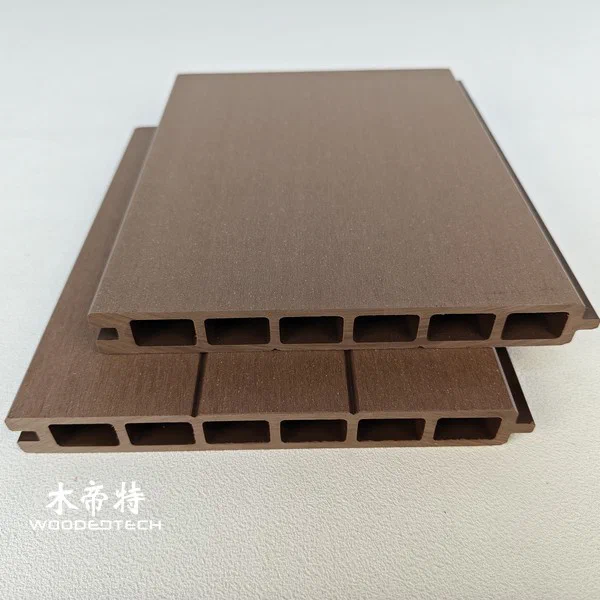
A wood polymer composite (WPC) door combines wood fibers or wood flour with thermoplastic polymers to create a durable, moisture-resistant building product. Designed to offer the appearance of natural wood with reduced maintenance requirements, WPC doors are increasingly used in residential, commercial, and hospitality projects. Their performance depends on material formulation, door construction, surface treatment, hardware selection, and compliance with relevant industry standards.
What Is a Wood Polymer Composite Door?
A wood polymer composite door is manufactured using a mixture of wood-based materials and polymers, commonly PVC, PE, or PP. Additives such as coupling agents, stabilizers, pigments, and processing aids are incorporated to improve strength, dimensional stability, weather resistance, and surface quality.

Unlike conventional solid wood doors, WPC doors are less vulnerable to moisture-related swelling, warping, and cracking when properly manufactured and installed. They can also be produced in different colors, textures, panel designs, and finishes to suit modern architectural requirements.
Depending on the manufacturing process, WPC doors may feature solid or hollow internal structures, reinforced frames, molded decorative surfaces, or laminated finishes. For manufacturers and project buyers, selecting the appropriate structure is essential to achieving the required balance between mechanical performance, weight, cost, and service life.
Key Benefits of WPC Doors
Moisture resistance is one of the main advantages of WPC doors. Traditional wood doors can absorb moisture, which may cause expansion, deformation, or deterioration over time. WPC materials generally offer lower water absorption, making them suitable for bathrooms, kitchens, utility rooms, and other moisture-prone indoor environments. However, water resistance should not be confused with complete waterproof performance. Door edges, joints, hardware openings, and installation details still require proper protection.
Another important benefit is dimensional stability. A well-formulated WPC profile maintains its shape more consistently under normal temperature and humidity changes than many conventional wood products. This helps reduce maintenance requirements and supports reliable long-term operation.
WPC doors also provide flexibility in design and surface finishing. Manufacturers can create wood-grain textures, smooth surfaces, decorative grooves, and contemporary panel patterns. These options allow architects, contractors, and distributors to offer different product styles without relying on expensive natural timber species.
From an environmental perspective, some WPC formulations incorporate recycled plastics and reclaimed wood fibers. This can reduce demand for virgin raw materials and support more efficient material utilization. Nevertheless, the environmental benefits depend on the actual recycled content, production energy, product lifespan, and end-of-life recycling arrangements.
Applications of Wood Polymer Composite Doors
Residential buildings are a major application area for WPC doors. They are commonly considered for bedroom doors, bathroom doors, kitchen entrances, storage rooms, and interior partitions. Their resistance to everyday moisture exposure makes them particularly practical in apartments and family homes. For bathroom applications, buyers should prioritize sealed edges, suitable surface finishes, and corrosion-resistant hardware.
In hotels, serviced apartments, and hospitality developments, WPC doors offer a consistent appearance across large numbers of rooms. Manufacturers can provide standardized colors, dimensions, and decorative finishes to simplify project coordination. For these environments, door construction should also account for frequent opening and closing, impact resistance, acoustic requirements, and ease of cleaning.
Commercial buildings such as offices, retail stores, educational facilities, and healthcare-related properties may also use WPC doors in suitable interior locations. In these projects, the selection process should consider expected traffic levels, cleaning chemicals, hardware durability, and applicable fire and safety requirements. Standard WPC doors should not automatically be treated as fire-rated or suitable for emergency exits.
Outdoor applications require additional consideration. Although WPC materials can offer improved moisture resistance compared with untreated wood, not every WPC door is designed for direct sunlight, rain, or prolonged exposure to changing weather conditions. For exterior entrances, buyers should confirm UV resistance, thermal stability, water resistance, structural reinforcement, and compatibility with the complete door frame and sealing system.
Industry Standards and Quality Requirements
WPC doors should be evaluated according to their intended application and the regulations of the destination market. There is no single universal standard that covers every aspect of WPC door performance. Buyers should request technical documentation and test reports relevant to the finished door rather than relying only on the raw material specifications.
Important performance areas include:
- Mechanical strength: Evaluate impact resistance, bending performance, screw-holding capacity, and structural stability.
- Water resistance: Check water absorption, dimensional changes, and the performance of edges and joints.
- Surface durability: Assess scratch resistance, abrasion resistance, stain resistance, and coating adhesion.
- Dimensional stability: Examine changes caused by temperature and humidity variations.
- Fire performance: Verify reaction-to-fire classification or fire-resistance performance where required by local building regulations.
- Indoor air quality: Request emissions testing and documentation for relevant VOC and formaldehyde requirements.
For projects in the United States, buyers may need to consider applicable building codes, ASTM test methods, and NFPA requirements depending on the door’s location and function. European projects may require consideration of EN standards, CE marking obligations where applicable, and relevant fire-safety classifications. Specific requirements depend on the product type, intended use, and local regulatory framework.
Quality control should begin during raw material preparation and continue through extrusion or molding, machining, finishing, and final assembly. Manufacturers should maintain consistent material ratios, processing temperatures, profile dimensions, and surface quality. Finished doors should also undergo inspection for flatness, color consistency, edge integrity, hardware installation, and operating performance.
How to Select the Right WPC Door for a Project
For distributors, importers, contractors, and developers, product selection should begin with the installation environment. Interior bathroom doors require good moisture resistance and stable surface finishes, while hotel and office doors may need stronger internal reinforcement and more durable hardware.
Door thickness, core structure, density, frame compatibility, and hinge specifications should be checked before ordering. These details directly influence installation quality, load-bearing performance, and long-term reliability. Buyers should also confirm whether the manufacturer offers customized dimensions, colors, surface textures, and packaging for different market requirements.
For bulk procurement, consistency between production batches is particularly important. Requesting samples, technical data sheets, quality inspection records, and third-party test reports can help reduce sourcing risks. It is also advisable to confirm warranty coverage, production lead times, minimum order quantities, and after-sales support before finalizing a supplier.
A reliable WPC door solution is not determined by material composition alone. The best results come from matching the composite formulation, structural design, finishing system, and installation method to the actual building environment. For international buyers, working with an experienced WPC manufacturer that understands destination-market requirements can make product development, quality control, and large-scale project delivery more predictable.
Related Articles


Related Products
 GD13823-3 Composite Boards for Decking Are Available in Multiple Stock Colors with 3 Meter Lengths and Single Piece Delivery
 3DGL18024 WPC Longboard Fence Features Premium Co Extruded 3D Embossed Teak Wood Grain Texture with Realistic Natural Wood Fibers
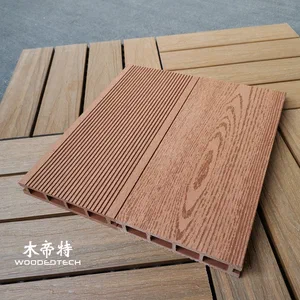 The Classic D14025-4 Red Wood WPC Wood Sheet Features a Timeless 2D Flat Wood Grain Design That Remains Popular After Twenty Years