wood plastics composites: Industrial Applications and Trends
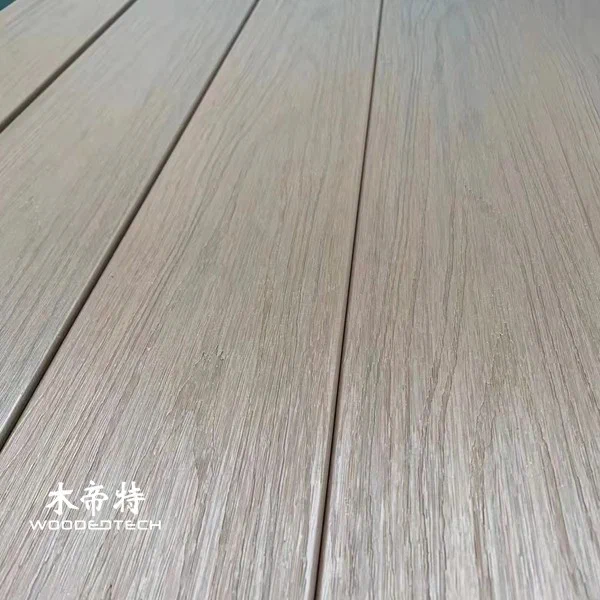
Wood plastic composites (WPC) are engineered materials combining wood fibers and polymers to create durable alternatives for traditional outdoor building products. They are increasingly used in industrial applications such as composite decking, wall cladding, fencing, pergolas, and landscape structures due to their strength, low maintenance, and sustainable material advantages.
Expanding Industrial Applications of Wood Plastic Composites
The global market for wood plastic composites is developing beyond residential decking into broader commercial and architectural applications. Manufacturers are supplying WPC solutions for hotels, public spaces, commercial buildings, gardens, and infrastructure projects where long service life and weather resistance are required.
Key industrial applications include:
- Outdoor decking systems for residential, hospitality, and commercial projects
- WPC wall cladding for exterior facades and decorative architectural surfaces
- Composite fencing systems for privacy, security, and landscape design
- Pergolas, gazebos, and outdoor shade structures requiring moisture resistance
- Landscape products such as planters, benches, screens, and decorative panels
Compared with natural wood, WPC materials offer improved resistance to rot, insects, cracking, and moisture absorption. These characteristics make them suitable for regions with challenging climates, including areas exposed to high humidity, strong sunlight, or seasonal temperature changes.
Global Market Trends and Product Innovation

Sustainability is one of the strongest drivers shaping the future of wood plastic composites. Builders and developers are increasingly seeking recycled and eco-friendly outdoor materials that reduce dependence on traditional timber. Many WPC manufacturers are adopting recycled plastics and wood fibers to develop sustainable composite building products.
Product innovation is also accelerating. Co-extrusion technology, embossed surface finishes, and improved color stability are helping manufacturers create products with more realistic wood textures and longer outdoor performance. Modern composite decking and cladding solutions now offer enhanced appearance while maintaining resistance to fading, staining, and weather damage.
Demand is also growing for customized WPC products. International buyers are looking for private label manufacturing, custom extrusion profiles, and project-specific designs that match regional construction standards and architectural styles.
Future Opportunities in Outdoor Building Materials
The future market opportunity for WPC products is closely connected with global trends in outdoor living, urban landscaping, and sustainable construction. As cities invest in public spaces and green infrastructure, composite materials are expected to gain wider adoption in parks, commercial developments, and outdoor entertainment areas.
Exporters and manufacturers can explore opportunities by developing complete outdoor product systems rather than individual materials. Combining decking, fencing, cladding, pergolas, and landscape accessories allows suppliers to provide integrated solutions for international construction projects.
Growing demand in North America, Europe, the Middle East, and Asia-Pacific creates opportunities for companies that can deliver reliable quality, competitive pricing, and flexible customization. WPC manufacturers with strong product development capabilities are positioned to serve buyers seeking durable alternatives to traditional wood products.
FAQ
Q: What are the main industrial uses of wood plastic composites? A: Wood plastic composites are widely used for decking, wall cladding, fencing, pergolas, outdoor furniture, and landscape construction products.
Q: Why are WPC materials gaining popularity in global markets? A: WPC materials provide durability, low maintenance, weather resistance, and sustainable advantages compared with traditional wood products.
Q: What future trends will influence the WPC industry? A: Future growth will be driven by recycled materials, customized designs, advanced surface treatments, and increasing demand for sustainable outdoor building solutions.
Related Articles

Related Products
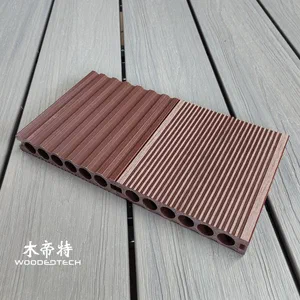 140-25 Double Wave Round Hole E Red Sandalwood Color Wood Polymer Decking Board With Affordable Price For Budget Engineering Projects
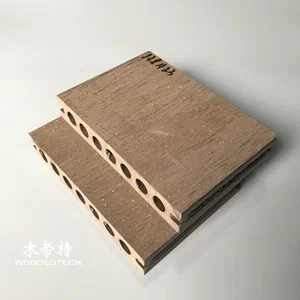 D13823 Round Hole Double Sided Flat WPC Bamboo Decking Boards With Strong Quality And Various Wood Grain Surface Treatments
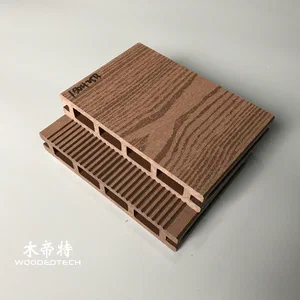 D15025-2 Classic Waterproof Insect Resistant Corrosion Resistant And Termite Resistant Composite Decking Types With Twenty Years Of Sales Experience