
Wood plastic flooring provides a natural wood look with durable performance for outdoor environments
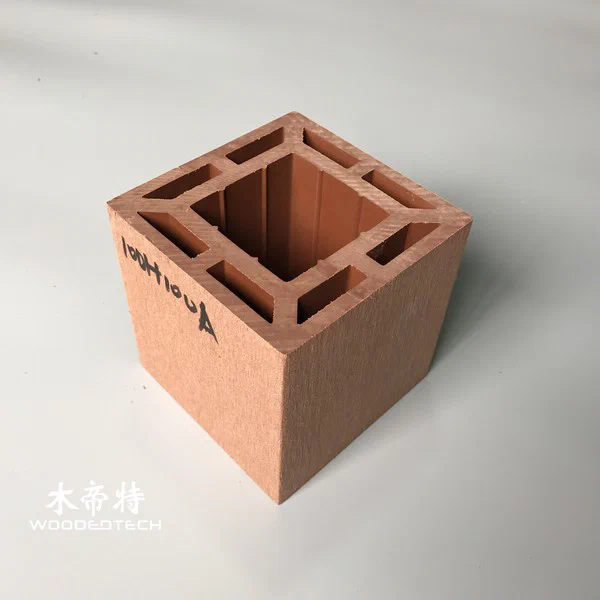
Wood plastic flooring is a practical outdoor surfacing choice that combines the look of natural wood with better resistance to moisture, fading, and everyday wear. For decks, balconies, patios, and pool areas, it is often easier to live with than timber and more comfortable underfoot than many hard exterior finishes.
How WPC compares with natural wood and timber
Compared with natural wood, outdoor WPC offers more stable performance in changing weather. It does not absorb water as readily, so it is less likely to swell, warp, crack, or attract insects. That makes it well suited to humid climates, coastal projects, and spaces that see frequent rain or splashing.
Natural wood and traditional timber still have strengths. They offer a real grain, a warmer tactile feel, and a premium appearance that many designers value. But they demand regular sealing, staining, sanding, and repairs. If maintenance is delayed, their surface can gray unevenly, split, or become slippery.
WPC gives up some of the authenticity of timber, and very low-cost products may look more uniform or plastic-like than solid wood. Heat retention can also be a concern in full sun, so color choice and surface texture matter. Even so, for many outdoor projects, the balance of appearance and durability is hard to beat.
Compared with aluminum and other exterior materials

Aluminum performs well where structural strength and corrosion resistance are priorities. It is light, precise, and virtually rot-proof, but it feels colder, harder, and less natural underfoot. For flooring, it is usually less comfortable than WPC and can be noisier when walked on.
Stone, concrete, and ceramic tiles can last a long time, but they bring different trade-offs. They are harder on the feet, often more expensive to install, and may crack if the substrate moves. In wet zones, slip resistance and joint maintenance also need attention.
Vinyl and other plastic-based exterior products may cost less upfront, but they can be less rigid, less attractive, or more prone to UV aging depending on quality. WPC generally sits in the middle: more refined than basic plastic products, less demanding than timber, and less industrial than metal.
Maintenance and lifecycle cost
WPC maintenance is usually simple:
- Sweep off debris and rinse with water
- Use a mild cleaner for stains
- Avoid harsh solvents and abrasive pads
- Check substructure fasteners and drainage periodically
The initial material price is often higher than standard softwood, but lifecycle cost can be lower because there is no routine staining or repainting. Over several years, the savings in labor, coatings, and replacement boards can outweigh the higher purchase cost, especially on larger exterior areas.
For buyers comparing options, the real question is not only first cost but total ownership cost. Natural wood may be cheaper to buy, yet more expensive to maintain. Aluminum is durable but less suited to a wood-look floor. WPC offers a strong middle ground when the project needs a natural appearance with predictable outdoor performance.
FAQ
Q: Is outdoor WPC better than natural wood for decks? A: In most exposed outdoor settings, yes, because WPC handles moisture and weather more consistently. Natural wood can look richer, but it needs much more upkeep.
Q: Does WPC require sealing or painting? A: No, standard WPC does not need sealing or painting. Basic cleaning is usually enough to keep it looking good.
Q: Is WPC more cost-effective than aluminum or timber? A: Usually yes over the full lifecycle, especially compared with timber that needs repeated treatment. Aluminum can last longer structurally, but it is not a direct replacement for a wood-look floor.
Related Articles
Related Products
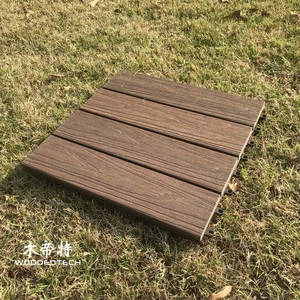
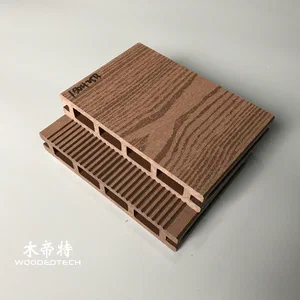 D15025-2 Classic Waterproof Insect Resistant Corrosion Resistant And Termite Resistant Composite Decking Types With Twenty Years Of Sales Experience
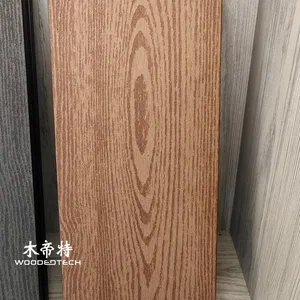
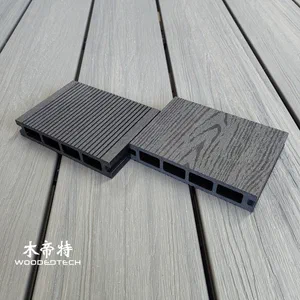 D14025-4 WPC Decking Boards Feature a Flat Wood Grain Surface with Black Ebony Heartwood Ring Grain for Outdoor Applications
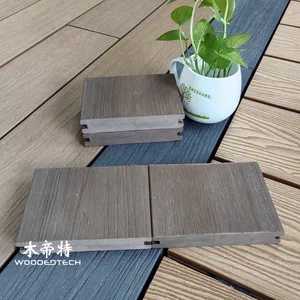 GD14025S Capped WPC Provides a Solid Board Structure for Better Load Bearing Performance and Reduced Space for Insects Inside the Board