
wood plastic decking nz solutions are designed for outdoor environments requiring low maintenance flooring systems

Wood plastic decking nz solutions give architects and landscape designers a practical way to build outdoor spaces that stay attractive with minimal upkeep. For terraces, pool edges, civic walkways, hospitality decks, and residential courtyards, WPC flooring systems combine timber-like appearance with the weather resistance needed in demanding outdoor conditions.
Why WPC fits outdoor design work
WPC, or wood plastic composite, is chosen when a project needs stable performance, consistent appearance, and lower lifecycle maintenance than natural timber. It resists rot, splintering, and insect damage, and it does not require frequent sanding, sealing, or staining. That makes it especially useful for projects where access for maintenance is limited or where long-term operating costs matter.
For design teams, the appeal is not only durability. WPC also gives a clean, modern finish that works well with stone, concrete, steel, and planting palettes. Available in a range of tones and surface textures, it helps create visual continuity across decks, ramps, seating zones, and circulation paths.
Project considerations before specifying
Good results start with the site conditions. In coastal or high-rainfall environments, designers should look at UV exposure, drainage, slip resistance, and thermal movement. Board profile, surface finish, and fixing method all affect performance, especially where the deck will be used barefoot or exposed to frequent wetting.
Key items to check include:
- Load requirements for commercial or public areas
- Board spacing and substructure ventilation
- Hidden or face-fix systems based on access and design intent
- Slip resistance for pools, ramps, and shaded zones
- Colour choice, since darker boards can retain more heat
- Compatibility with local installation standards and fixing details
A well-designed subframe matters as much as the deck board itself. Even the best WPC product will perform poorly if water is trapped beneath it or if joist spacing is incorrect.
Material selection advice for architects and landscape designers
For heavy-use environments, capped WPC decking is often the safer choice because the protective surface layer improves stain resistance and colour stability. Solid boards may be preferred where higher rigidity is required, while lighter profiles can suit residential applications or elevated structures when the supporting design allows it.
When selecting materials, compare:
- Surface texture: smooth, brushed, or wood-grain
- Board thickness and span capability
- Colour fastness under strong sun
- Fire and compliance requirements where applicable
- Supplier support for samples, technical data, and installation guidance
Designers should also think about the full system, not just the board. Matching trims, stair components, edging, and railings helps create a coordinated finish and reduces detailing problems on site.

Building durable outdoor environments
WPC is most effective when it is treated as part of a complete landscape system. Use it where repeat foot traffic, moisture, and weather exposure make timber maintenance impractical. In the right application, it delivers a polished look, reliable service life, and predictable upkeep for owners and facility managers.
FAQ
Q: Where is WPC decking most commonly used? A: It is commonly used for decks, pool surrounds, balconies, walkways, and outdoor seating areas. These spaces benefit from its moisture resistance and low maintenance needs.
Q: Is WPC better than timber for outdoor flooring? A: For many projects, yes, because it avoids issues like rotting, splintering, and frequent refinishing. Timber may still be chosen for specific aesthetic or heritage reasons.
Q: What should buyers ask a WPC supplier for? A: Request technical data, slip ratings, colour options, installation guidance, and warranty details. These documents help confirm whether the product suits the project conditions.
Related Articles
 extruded wood plastic composite decking provides stable quality for outdoor flooring applications worldwide
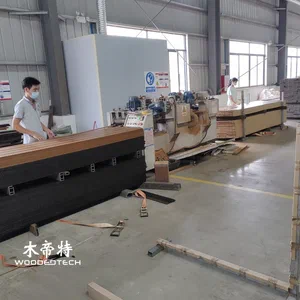 Composite wood deck sealer helps maintain the appearance and performance of outdoor decking
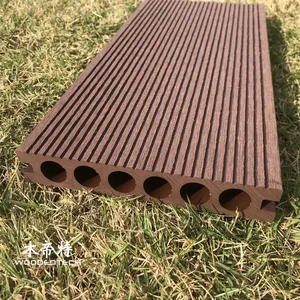 WPC decking detail explains profile structures and installation features for outdoor applications
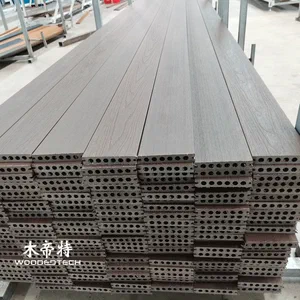 DIY Composite Decking Guide for Easy Outdoor Deck Installation
Related Products
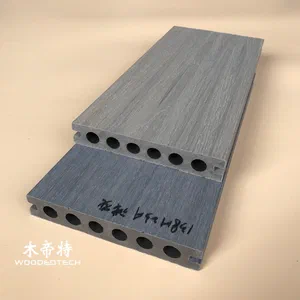 GD13823 Composite Decking Material Features Six Small Round Holes to Reduce Weight While Maintaining Structural Strength
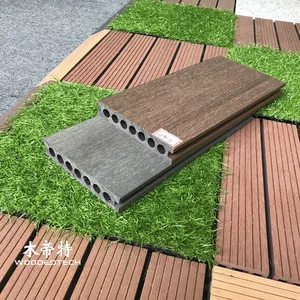 GD13823-2 Wood Versus Composite Decking Features Seven Round Holes with Wood Grain and Brushed Textures on Opposite Sides
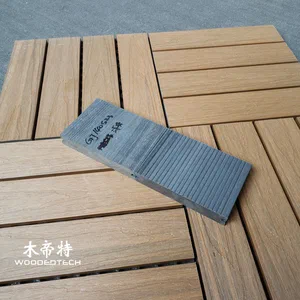 GD14023S Composite Deck Materials Feature a Solid Structure and Side Grooves for Better Adaptability in Extremely Cold Climates