
Wood Plastic Deck Boards Combine Natural Appearance with Durable Outdoor Performance

Wood Plastic Composite (WPC) deck boards combine the natural appearance of wood with enhanced durability for outdoor use. The choice of raw materials—wood powder, HDPE or PVC polymers, various additives, pigments, and modifiers—directly impacts their performance in terms of durability and weather resistance. This article explores how each component contributes to the overall quality of WPC products, along with practical inspection methods and quality standards used in a professional manufacturing setting.
Key Components and Their Effects
Wood powder serves as the primary filler in WPC formulations. Its quality, including particle size and source, significantly influences the mechanical properties of the final product. Higher quality wood powder enhances adhesion and reduces brittleness, leading to improved durability and a more wood-like appearance.
HDPE and PVC polymers act as the binding agents in WPC. HDPE is preferred for its superior impact resistance and UV stability, while PVC can provide additional fire resistance. The choice between these polymers affects not only the aesthetics but also the weather resistance and longevity of the deck boards.
Additives and modifiers are crucial for enhancing specific properties. For example, anti-UV agents help prevent color fading, while anti-fungal agents protect against mold and mildew. Plasticizers can improve flexibility, making the boards less likely to crack under stress. Each additive contributes to the performance profile, allowing manufacturers to tailor products for different environmental conditions.
Pigments are used to achieve the desired aesthetic appeal. High-quality pigments ensure that the color remains vibrant over time, even when exposed to harsh sunlight and rain. Proper formulation of these pigments is essential to maintain color consistency and resistance to fading.
Quality Control in Manufacturing
Quality control is vital in ensuring that WPC products meet industry standards. Regular inspections throughout the manufacturing process can help identify issues early.

Raw Material Inspection: Before production, wood powder and polymers should be tested for purity and consistency. Checks for moisture content in wood powder are essential to prevent degradation during processing.
In-Process Monitoring: During extrusion, temperature and pressure should be closely monitored to ensure the correct melting and mixing of materials. Variations can lead to inconsistencies in product strength and appearance.
Final Product Testing: Finished deck boards should undergo a series of tests for durability, weather resistance, and slip resistance. This may include accelerated weathering tests, impact tests, and surface hardness assessments.
Maintaining international quality standards, such as ASTM and ISO certifications, is critical for ensuring the reliability of WPC products in the market.
FAQ
Q: What is the primary advantage of using wood powder in WPC?
A: Wood powder improves the aesthetic appearance and helps enhance the mechanical properties, leading to a more durable product.
Q: How does HDPE compare to PVC in WPC applications?
A: HDPE offers better impact resistance and UV stability, while PVC can provide additional fire resistance, making the choice depend on specific performance needs.
Q: What quality standards should WPC products meet?
A: WPC products should comply with international standards such as ASTM and ISO to ensure they meet durability, weather resistance, and safety requirements.
Related Articles
 Best WPC Decking Provides High Quality Outdoor Flooring Solutions for Global Markets
 WPC Deck Provides Natural Wood Appearance with Long Lasting Outdoor Performance
 What Is The Best Composite Deck Material for Durable and Beautiful Outdoor Flooring Applications
 How To Complete Wpc Deck Installation For Long Lasting Outdoor Flooring
Related Products
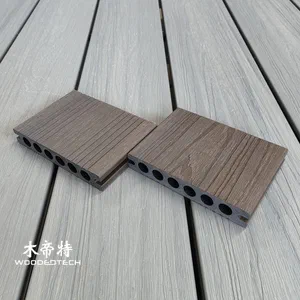 Purple Sandalwood GD13823-3 Co Extruded WPC Outdoor Decks with Round Holes Are Available in Stock in 3 Meter Lengths Year Round
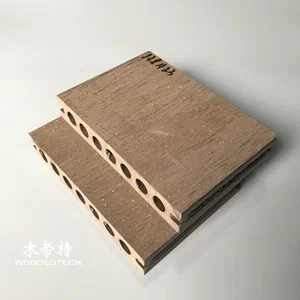 D13823 Round Hole Double Sided Flat WPC Bamboo Decking Boards With Strong Quality And Various Wood Grain Surface Treatments
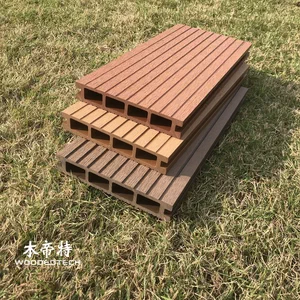 D14025-3 Square Hole Double Sided Grooved WPC Board Factory Producing Outdoor Decking Boards With Good Slip Resistance