
Wood plastic composites provide sustainable material solutions for global outdoor applications
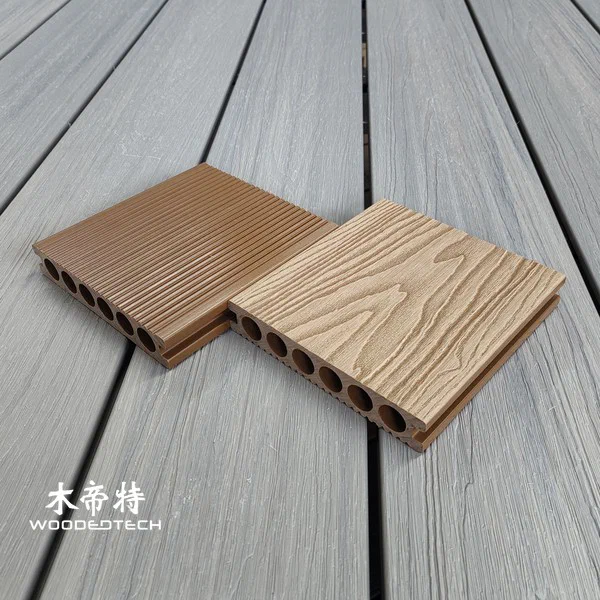
Wood plastic composites offer a practical sustainable solution for outdoor projects that need long service life and a lower environmental footprint. By combining recycled materials with efficient performance, outdoor WPC reduces pressure on forests while delivering dependable results in demanding climates.
Why Outdoor WPC Supports Sustainability
Wood plastic composite is made from a blend of recovered wood fibers and recycled plastics, turning waste streams into usable building material. That helps reduce landfill load and lowers dependence on virgin timber, which is especially valuable for large-scale outdoor applications such as decking, fencing, cladding, and garden structures.
Because WPC uses less natural wood than solid lumber products, it supports forest conservation without sacrificing appearance or function. For buyers looking for sustainable composite building products, this balance is often the main reason WPC is preferred over traditional exterior wood.
Durability Means Less Replacement
Sustainability is not only about what a material is made from; it is also about how long it lasts. Outdoor WPC is designed to resist moisture, rot, splintering, and many of the common issues that shorten the life of outdoor timber.
That durability matters in real projects:
- fewer replacements over time
- less material waste from damaged boards
- lower transport and labor impact across the product life cycle
- more stable performance in sun, rain, and changing temperatures

A longer service life makes wood plastic composite decking and wall products more resource-efficient than materials that require frequent repair or early replacement.
Low Maintenance Reduces Ongoing Resource Use
Outdoor WPC is also valued for its low-maintenance advantages. Unlike natural wood, it typically does not need regular painting, staining, sealing, or intensive pest treatment. That saves water, chemicals, labor, and repeated maintenance supplies.
For commercial and municipal projects, this is a major advantage. Fewer upkeep cycles mean lower operating costs and less environmental burden over the years, especially for surfaces exposed to weather every day.
A Smart Material Choice for Global Outdoor Use
From public walkways to residential terraces, outdoor WPC fits a wide range of climates and design needs. Its consistent finish, practical installation, and long-term reliability make it suitable for exporters, contractors, and developers who want both sustainability and performance.
When specifiers compare wood plastic composite to conventional timber, they usually find three clear benefits: recycled content, reduced wood consumption, and better durability. Add the low-maintenance profile, and WPC becomes a strong option for outdoor projects that need to be both responsible and cost-effective.
FAQ
Q: What makes outdoor WPC environmentally friendly? A: It uses recycled wood fibers and plastics, which helps reduce waste and lowers the demand for virgin timber. Its long service life also means fewer replacements.
Q: Does WPC really help save wood resources? A: Yes, because it replaces a portion of solid wood with recycled content. That makes it a more efficient choice for decking, fencing, and exterior panels.
Q: Why is WPC considered low maintenance? A: It usually does not need painting, sealing, or staining like natural wood. This reduces ongoing material use, labor, and chemical treatment.
Related Articles
 Plastic composite decking offers an eco friendly alternative for long lasting outdoor flooring applications
 ground level composite deck provides a comfortable outdoor space with easy maintenance benefits
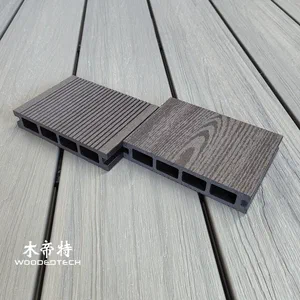 extruded wood composites provide versatile material solutions for modern outdoor construction
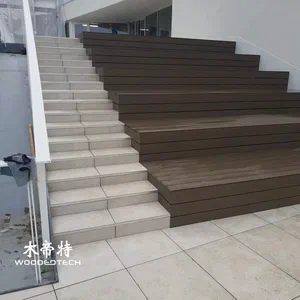 Composite decking weight helps customers choose suitable materials for different construction needs
Related Products
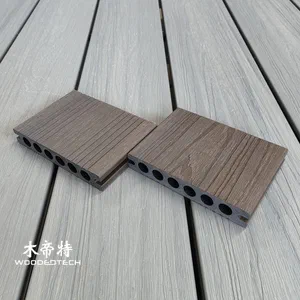 Purple Sandalwood GD13823-3 Co Extruded WPC Outdoor Decks with Round Holes Are Available in Stock in 3 Meter Lengths Year Round
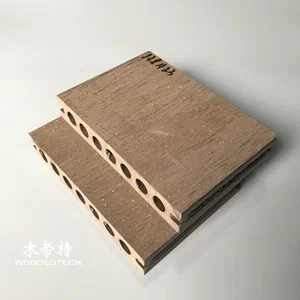 D13823 Round Hole Double Sided Flat WPC Bamboo Decking Boards With Strong Quality And Various Wood Grain Surface Treatments
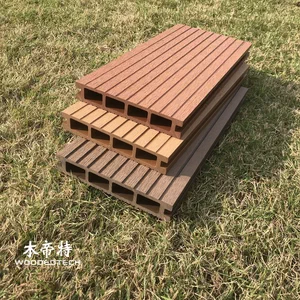 D14025-3 Square Hole Double Sided Grooved WPC Board Factory Producing Outdoor Decking Boards With Good Slip Resistance