
Wood Plastic Composite Wall Solutions: Benefits, Applications, and Industry Trends
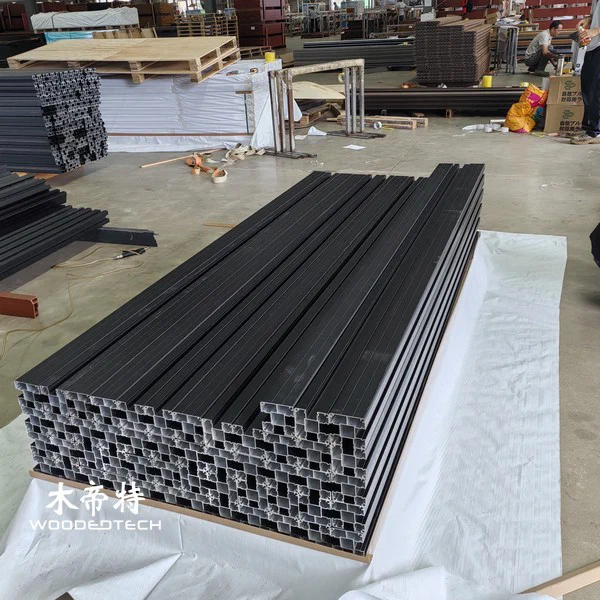
Wood plastic composite (WPC) wall solutions combine the natural appearance of wood with the practical advantages of composite materials. Designed for exterior and interior architectural applications, WPC wall panels offer good weather resistance, dimensional stability, and relatively low maintenance requirements. They provide a versatile option for residential, commercial, hospitality, and public building projects where appearance and long-term performance both matter.
Key Benefits of WPC Wall Solutions
WPC wall panels are manufactured by combining wood fibers or wood flour with thermoplastic materials and selected additives. This composition creates a material that offers a wood-like appearance while reducing some of the maintenance challenges associated with traditional timber. Depending on the formulation and surface treatment, WPC products can provide resistance to moisture, insects, rot, and everyday environmental exposure.
One major advantage is their low maintenance requirement. Unlike natural wood, which may need regular painting, staining, or protective treatments, many WPC wall panels maintain their appearance with routine cleaning. This makes them suitable for projects where ongoing maintenance costs need to be controlled.
Design flexibility is another important benefit. Manufacturers can produce WPC wall panels in different colors, textures, profiles, and dimensions. Wood grain finishes, modern fluted surfaces, and 3D embossed patterns allow architects and designers to create distinctive exterior facades and decorative wall features.

WPC also supports more sustainable material strategies when manufactured with recycled plastics and responsibly sourced wood fibers. Using recovered materials can reduce dependence on virgin resources, although the environmental benefits depend on the product’s composition, manufacturing process, and end-of-life options.
Residential and Commercial Applications
WPC wall cladding is widely used in residential exterior design, including garden walls, house facades, entrance features, balcony partitions, and outdoor entertainment areas. Homeowners can use horizontal or vertical panels to create a contemporary wood-effect finish without the same level of routine treatment required by natural timber. For garden applications, WPC panels can also be combined with privacy screens, decorative grilles, and outdoor fencing to create a coordinated appearance.
In commercial landscapes, WPC wall systems provide an attractive finish for outdoor seating areas, retail entrances, office courtyards, and landscaped pedestrian zones. Businesses often prioritize materials that maintain a consistent appearance while limiting maintenance interruptions. For these projects, co-extruded WPC panels can be worth considering because their protective outer layer is designed to improve surface durability and resistance to staining and weather exposure.
Hotels and resorts can use WPC wall panels around outdoor dining spaces, poolside facilities, garden pathways, leisure zones, and building entrances. Wood-look finishes help create a welcoming atmosphere while offering a practical alternative to untreated timber. For hospitality projects, selecting coordinated colors and panel profiles across different outdoor areas can strengthen the overall architectural design.
Outdoor Applications Beyond Wall Cladding
Although WPC wall panels are an important architectural product, outdoor WPC materials can serve a wider range of functions. Residential gardens are suitable for combining WPC cladding with decking, pergolas, planter boxes, privacy screens, and garden benches. Using compatible finishes across these elements creates a unified outdoor living environment.
Balconies and terraces benefit from WPC wall cladding and decorative screening, particularly where designers want to introduce a natural wood appearance into compact spaces. However, balcony applications require careful attention to drainage, ventilation, structural support, and local building regulations. WPC products should not be treated as waterproof building membranes or substitutes for properly designed waterproofing systems.
Swimming pool areas are another potential application. WPC wall panels can complement composite decking, pool fencing, and outdoor seating to create a coordinated leisure environment. Product selection is especially important in these locations. Specify materials with suitable moisture resistance, UV stability, and corrosion-resistant fixing systems. For poolside flooring, choose decking with tested slip-resistance performance rather than assuming every WPC surface is suitable for wet conditions.
Parks and public facilities can also incorporate WPC wall cladding in visitor centers, public restrooms, landscape structures, outdoor kiosks, and decorative boundary installations. WPC benches, shelters, fencing, and architectural screens can extend the same material aesthetic throughout a public space. In high-traffic environments, specify suitable structural support, impact resistance, fire performance, and anti-vandalism requirements.
Professional Installation and Product Selection
Successful WPC wall installation starts with understanding the project environment. Exterior applications must account for temperature fluctuations, direct sunlight, rainfall, humidity, and wind exposure. These factors influence material selection, fixing methods, and expansion allowances.
A professional installation should consider the following points:
- Substructure: Use a stable, appropriately spaced support framework suitable for the panel system and expected wind loads.
- Ventilation: Maintain the required ventilation cavity behind exterior cladding to help manage moisture.
- Expansion gaps: Allow for thermal expansion and contraction according to the manufacturer’s installation specifications.
- Fixing systems: Select compatible clips, screws, and accessories designed for the specific WPC profile.
- Drainage: Ensure water can drain freely and does not become trapped behind panels or at connection points.
- Fire compliance: Check applicable fire classifications and local building regulations before specifying WPC for commercial or public buildings.
Product quality also deserves close attention. Buyers should evaluate material composition, profile dimensions, density, surface treatment, UV resistance, water absorption, and mechanical performance. For large projects, requesting technical datasheets, test reports, samples, and installation instructions helps reduce specification risks.
Industry Trends in WPC Wall Panels
The WPC wall panel market is moving toward more refined surface finishes, improved protective technologies, and application-specific product development. Co-extrusion technology is an important development, using a protective outer layer to improve resistance to moisture, stains, fading, and surface wear. This makes co-extrusion wall panels an attractive option for demanding exterior environments, subject to product testing and installation conditions.
Architectural preferences are also shifting toward natural textures and clean geometric designs. Fluted WPC panels, deep wood grain finishes, concealed fixing systems, and custom extrusion profiles are increasingly relevant to contemporary facade projects. Manufacturers are also developing coordinated product ranges that combine wall cladding, decking, fencing, louvers, and outdoor furniture.
Another significant trend is customization for commercial and OEM projects. Developers, distributors, and construction contractors increasingly look for suppliers that can provide tailored dimensions, colors, surface textures, packaging, and private-label manufacturing. Working with an experienced WPC manufacturer can help buyers match product specifications to local climate conditions, architectural requirements, and installation standards.
The best WPC wall solution is determined by the building design, exposure conditions, maintenance expectations, and applicable performance standards. By selecting suitable profiles, finishes, and installation systems, project developers can create attractive exterior spaces that balance architectural appeal with practical durability.
Related Articles
 Wood Plastic WPC Wall Panel Provides Durable Exterior Decoration with Natural Wood Appearance
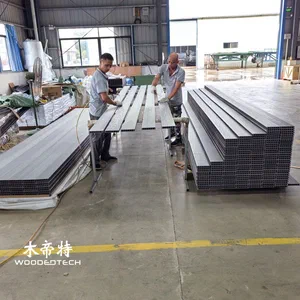 WPC Fassadenverkleidung Duvar: Industrial Applications and Performance Benefits
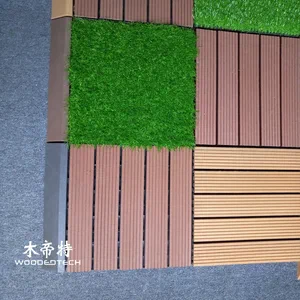 Wood Plastic Wall Board: Benefits, Applications, and Industrial Specifications
 Construction Wall Panels Provide Efficient Solutions for Modern Exterior Building Applications
Related Products
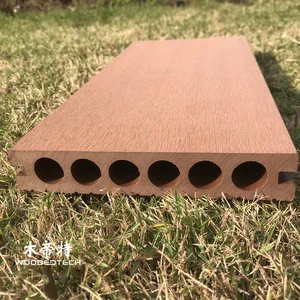 The D14025-5 Wood Composite Panels Feature a Classic Round Hole Design with Optional Embossed Wood Grain and Grooved Surfaces for Outdoor Durability
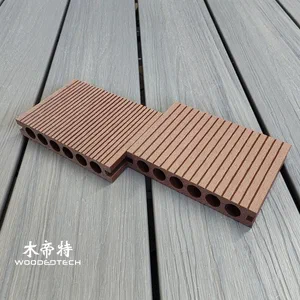 D14025-5 First Generation Large And Small Groove Redwood Color WPC Panel Material With Popular Outdoor Appearance
 B14011 WPC Paneling Sheets Feature Double Flat Surfaces with Heat Pressed Wood Grain Designs for Outdoor Styles