
Wood Plastic Composite Wall Panel Manufacturer - High-Performance Facade Cladding
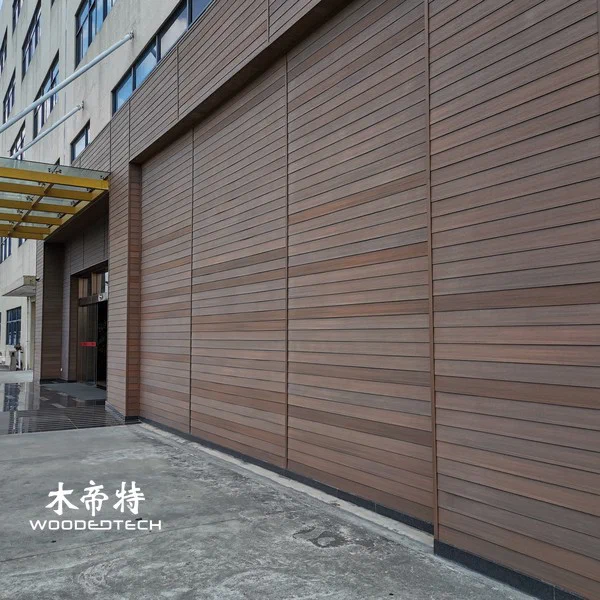
Wood plastic composite wall panels are a practical choice for commercial facades that need durability, stable performance, and a clean modern appearance. As a manufacturer-focused building material, WPC wall cladding combines the visual warmth of timber with the low-maintenance benefits buyers expect in exterior projects.

What a Wood Plastic Composite Wall Panel Manufacturer Provides
A wood plastic composite wall panel manufacturer supplies exterior cladding products made from a blend of wood fiber, polymer, and performance additives. The result is a panel system designed for long-term use on building facades, entrance walls, commercial properties, and public architecture.
For B2B buyers, the value is not just in the product itself, but in the consistency of production, customization capacity, and supply stability. A reliable manufacturer supports project-based procurement with matching profiles, finish options, and repeatable color control across large orders.
Why WPC Wall Panels Fit High-Performance Facade Cladding
Facade cladding must do more than look good. It must handle sun exposure, rain, humidity, temperature changes, and general wear without frequent repair. Wood plastic composite wall panels are built for this environment.
Key advantages include:

- Moisture resistance for exterior applications
- Better dimensional stability than natural wood
- Low maintenance compared with painted timber
- Strong resistance to fading, cracking, and splintering
- Consistent surface quality for large-scale projects
- Flexible design options for modern architectural finishes
These properties make WPC cladding suitable for hotels, apartment buildings, office exteriors, retail fronts, and industrial campuses where appearance and service life both matter.
Material Characteristics That Matter to Buyers
Industrial buyers usually compare materials based on performance, installation efficiency, and lifecycle cost. WPC wall panel systems perform well because they are engineered for practical use, not only decorative effect.
A high-quality panel should offer:
- Stable structure in hot and humid environments
- UV resistance for exterior exposure
- Good color retention over time
- A surface finish that supports architectural detailing
- Reliable connection and fastening compatibility
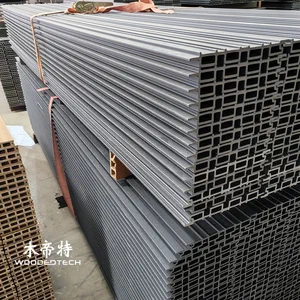
- Options for hollow or solid profiles depending on the project
The right specification depends on the application. A decorative exterior wall may need lightweight panels for faster installation, while a commercial facade may require stronger profiles with improved impact resistance.
Design Flexibility for Commercial Projects
One reason architects and contractors choose WPC facade products is the design flexibility. Panels can be produced in wood grain textures, fluted profiles, linear designs, or custom finishes that support a modern building language.
Common design directions include:
- Horizontal facade lines for contemporary commercial buildings
- Vertical wall panel layouts for added height and visual rhythm
- Warm wood-look finishes for hospitality and residential developments
- Dark neutral tones for corporate and industrial buildings
- Custom surface textures for brand-specific architectural concepts
This flexibility allows project teams to match the facade to the building identity without sacrificing practical performance.
Manufacturing Factors That Affect Product Quality
Not all WPC panels perform the same. Buyers should evaluate the manufacturer’s process, raw material control, and quality management before placing a bulk order. These factors directly affect product stability and project satisfaction.
A dependable manufacturer typically controls:
- Raw material selection and formulation
- Extrusion consistency and profile accuracy
- Surface embossing or coating quality
- Color batch matching
- Moisture and weather resistance testing
- Packaging and shipping protection for export orders
For international buyers, manufacturing capability also matters in terms of documentation, loading efficiency, and export compliance. A supplier with strong process control is better positioned to support repeat orders and long-term sourcing.
Installation and Project Efficiency
Facade systems should reduce labor complexity, not increase it. Wood plastic composite wall panels are often selected because they are easier to handle than heavier cladding alternatives and can be installed with standard fastening methods.
Project teams benefit from:
- Faster installation on large wall areas
- Reduced on-site cutting and finishing
- Compatibility with subframe systems
- Lower maintenance demands after completion
- Easier replacement of individual panels if needed
When planning installation, contractors should follow the manufacturer’s recommended spacing, expansion allowance, and support structure. Proper installation is essential to maintain alignment, ventilation, and long-term appearance.
Applications Across B2B Markets
Wood plastic composite wall panels are used in many commercial and institutional sectors. Their balance of appearance and practicality makes them suitable for both new construction and renovation.
Typical applications include:
- Building facades
- Exterior accent walls
- Commercial entrances
- Hotel and resort elevations
- Office and retail frontage
- Public facilities and transit spaces
- Industrial park exterior finishes
They are also a strong fit for developers looking for materials that help standardize quality across multiple units or phases. That makes procurement easier and helps control long-term maintenance costs.
Choosing the Right Manufacturer for Export Supply
For overseas buyers, supplier selection is as important as product selection. The right wood plastic composite wall panel manufacturer should be able to deliver consistent quality, clear communication, and dependable lead times.
Before placing an order, review:
- Product specifications and available profiles
- Surface finish and color options
- Minimum order quantity
- Lead time and production capacity
- Export packaging and logistics support
- Sample availability for project approval
A manufacturer with direct factory supply can often offer better control over customization and pricing, especially for repeat orders or private-label demand. This is especially useful for distributors, contractors, and project procurement teams working on large exterior developments.
FAQ
Q: What is a wood plastic composite wall panel? A: It is an exterior panel made from wood fiber, plastic, and additives, designed for cladding walls with a durable, low-maintenance finish.
Q: Is WPC wall cladding suitable for outdoor use? A: Yes. It is commonly used for exterior facades, accent walls, and commercial buildings because it resists moisture and weather exposure.
Q: Can WPC wall panels be customized for project design? A: Yes. Manufacturers can usually provide different colors, textures, sizes, and profiles to match architectural requirements.
Q: How does WPC wall cladding compare with natural wood? A: It generally requires less maintenance, offers better moisture resistance, and provides more consistent performance in exterior environments.
Q: What should buyers check before ordering from a manufacturer? A: Buyers should review profile accuracy, surface quality, production capacity, customization options, and export support.
Related Articles
Related Products
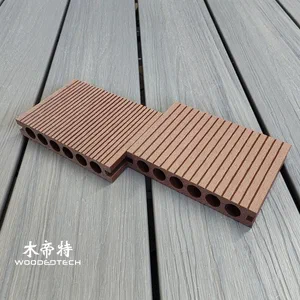 D14025-5 First Generation Large And Small Groove Redwood Color WPC Panel Material With Popular Outdoor Appearance
 B14011 WPC Paneling Sheets Feature Double Flat Surfaces with Heat Pressed Wood Grain Designs for Outdoor Styles
 GQ13523wpc board wall paneling with antique wood color narrow grille design delivers elegant outdoor wall appearance