
Wood Plastic Composite Wall Panel: Benefits, Applications, and Industry Trends
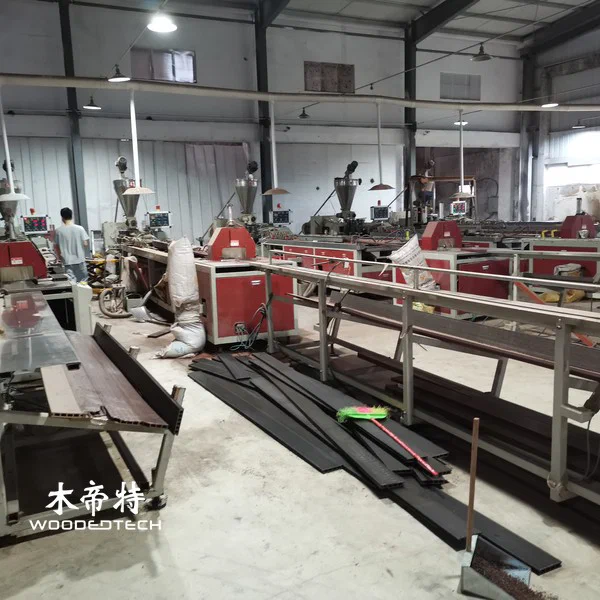
Wood plastic composite (WPC) wall panels combine wood fibers and thermoplastic materials to create a decorative and protective surface for exterior and selected interior applications. They offer a practical alternative to traditional timber cladding, with advantages such as moisture resistance, dimensional stability, low maintenance requirements, and consistent appearance. For residential, commercial, and hospitality projects, WPC wall panels provide design flexibility while helping reduce long-term exterior maintenance costs.
Key Benefits of WPC Wall Panels
WPC wall panels are developed to deliver the visual appeal of natural wood with improved resistance to common environmental challenges. Their performance depends on the formulation, manufacturing process, surface treatment, and installation system.
- Moisture resistance: WPC materials absorb less moisture than untreated wood, making them suitable for exterior walls and humid environments.
- Weather resistance: Quality outdoor panels can withstand rain, temperature changes, and UV exposure when manufactured with appropriate additives and surface protection.
- Low maintenance: Unlike natural timber, WPC panels generally do not require regular painting, staining, or wood preservatives.
- Design flexibility: Different colors, wood-grain textures, embossed finishes, and profiles allow designers to create contemporary or natural-looking facades.
- Dimensional stability: Properly formulated WPC products offer good resistance to cracking, warping, and deformation under normal service conditions.
- Sustainable material options: Many WPC products incorporate recycled plastics and reclaimed wood fibers, helping reduce dependence on virgin raw materials.
For commercial buyers, these characteristics can improve lifecycle value, particularly in projects where large exterior surfaces require consistent appearance and manageable maintenance.
Applications of WPC Wall Panels
Residential Buildings and Garden Spaces
In residential construction, WPC wall panels are commonly used for exterior facades, garden walls, entrance features, balcony walls, and outdoor entertainment areas. Wood-grain finishes can complement stone paving, concrete structures, glass railings, and modern architectural elements.
For garden applications, vertical WPC panels can cover boundary walls, create decorative backgrounds for planting areas, or provide visual separation between different outdoor zones. Designers can combine horizontal and vertical panel arrangements to create depth and contrast.
For balconies, lightweight profiles can be used as decorative wall coverings or privacy features, provided the supporting structure and installation system are suitable for the application. Buyers should select UV-resistant products for exposed balconies that receive strong direct sunlight.
Commercial Landscapes and Public Parks
Commercial landscapes require materials that maintain their appearance under frequent use and changing weather conditions. WPC wall panels can be installed on landscape retaining-wall facades, decorative structures, garden partitions, visitor facilities, and outdoor seating areas.
In public parks, they are suitable for selected decorative wall surfaces, sheltered rest areas, information kiosks, and architectural features. Their relatively low maintenance requirements can reduce the need for frequent surface refinishing.
For high-traffic public projects, specify panels with suitable mechanical strength, secure fixing systems, and documented weathering performance. Where vandalism or impact damage is a concern, thicker profiles and reinforced substructures may be appropriate.
Hotels, Resorts, and Hospitality Projects
Hotels and resorts often use exterior materials to establish a consistent architectural identity. WPC wall panels can enhance entrance facades, outdoor restaurant walls, poolside buildings, garden lounges, and covered entertainment spaces.
For hospitality projects, coordinated panel colors and textures help connect outdoor landscaping with the building’s architectural style. Dark wood-grain finishes create a sophisticated appearance, while lighter tones suit coastal resorts and contemporary hotel designs.
For areas exposed to pool chemicals, salt air, or persistent moisture, product selection should consider the specific environmental conditions. WPC panels should not automatically be treated as fully waterproof structural materials. Proper drainage, ventilation, and corrosion-resistant accessories remain important.
Swimming Pool Areas and Outdoor Recreation Facilities
WPC wall panels can be used around swimming pool buildings, changing rooms, outdoor showers, poolside service areas, and decorative privacy screens. Their moisture resistance makes them a practical alternative to untreated timber in many outdoor pool environments.
However, wall panels and pool decking serve different functions. Panels installed near pools are primarily decorative or protective wall coverings, while flooring products must meet separate requirements for slip resistance, drainage, and load-bearing performance.
For poolside projects, choose materials with suitable UV stability and resistance to the expected cleaning chemicals. Avoid installations that allow water to remain trapped behind the panels.
Public Facilities and Commercial Buildings
WPC wall panels also have applications in public restrooms, transportation facilities, outdoor kiosks, community centers, commercial entrances, and selected institutional buildings.
Their consistent dimensions and available matching accessories can simplify large-scale facade design. For projects involving extensive panel coverage, modular installation systems can help improve construction efficiency and simplify future panel replacement.
Fire performance must be evaluated carefully in public buildings. Buyers should request relevant fire-test reports and confirm that the selected product complies with local building regulations and project specifications.
Professional Application and Installation Suggestions
Selecting the right WPC wall panel involves more than comparing color and price. Application conditions, installation details, and product specifications all influence long-term performance.
First, identify whether the panels will be installed indoors, outdoors, or in partially exposed locations. Exterior applications require particular attention to UV resistance, water management, and temperature-related expansion. Co-extruded WPC panels, which feature a protective outer layer, can be considered for projects requiring enhanced surface protection and easier cleaning.
Second, evaluate the panel profile according to the building design. Hollow profiles are generally lighter and can be suitable for decorative cladding, while solid or reinforced profiles may be preferred where greater impact resistance is required. The final selection should follow the manufacturer’s tested specifications rather than appearance alone.

Third, design the supporting structure and fixing system before installation. WPC panels expand and contract with temperature changes, so installers must follow the manufacturer’s requirements for expansion gaps, fastening positions, and joint spacing. A suitable subframe, adequate ventilation, and effective drainage help prevent moisture accumulation behind the cladding.
Finally, consider maintenance access and replacement requirements. Commercial projects benefit from installation systems that allow individual panels to be removed without dismantling large sections of the facade.
Industry Trends in WPC Wall Panels
The WPC wall panel market is moving toward improved surface protection, more realistic wood textures, and greater customization. Co-extrusion technology is becoming increasingly important because it adds a protective polymer layer that can improve resistance to staining, fading, and surface wear.
Architects and developers are also showing greater interest in fluted profiles, 3D embossed finishes, and coordinated exterior systems. These designs provide more options for creating distinctive facades while maintaining the practical benefits of composite materials.
Sustainability is another important purchasing consideration. Manufacturers are exploring higher recycled-content formulations, improved production efficiency, and material options that support responsible resource use. For international buyers, verifiable recycled-content information and product testing are more useful than general environmental claims.
Customization is also gaining importance in B2B projects. OEM and private-label buyers increasingly require specific panel dimensions, colors, surface textures, packaging, and compatible accessories. Working with an experienced WPC manufacturer can help ensure that product specifications match the architectural design, installation conditions, and target market requirements.
For distributors, contractors, and project developers, the best WPC wall panel solution is one that balances appearance, technical performance, installation efficiency, and total lifecycle cost. Careful material selection and application planning help ensure that composite cladding delivers reliable performance across residential, commercial, hospitality, and public-sector projects.
Related Articles
 Wood Plastic WPC Wall Panel Provides Durable Exterior Decoration with Natural Wood Appearance
 Wood Plastic Wall Board: Benefits, Applications, and Industrial Specifications
 WPC Wallpanel: Industrial Applications, Benefits, and Selection Guide
 WPC Wall Panel Full Form Explains the Meaning of Wood Plastic Composite Wall Materials
Related Products
 B14011 WPC Paneling Sheets Feature Double Flat Surfaces with Heat Pressed Wood Grain Designs for Outdoor Styles
 B7112 WPC Panel Design Exterior Boards Offer Stocked Fence Strips for Outdoor Decoration and Edge Finishing
 WPC Decking Accessories Provide Complete Installation Components for Professional Outdoor Flooring Projects