
wood plastic composite wall cladding philippines provides weather resistant exterior solutions for tropical climates

Wood plastic composite wall cladding in the Philippines offers a practical exterior finish for buildings exposed to heat, rain, humidity, and salt air. It is widely used on residential, commercial, and public projects because it combines the look of wood with better weather resistance and lower maintenance.
Where Outdoor WPC Products Work Best
In residential gardens, outdoor WPC products are ideal for feature walls, privacy screens, planters, pergolas, and seating zones. For homes in tropical climates, the material helps keep exterior surfaces stable under strong sunlight and frequent rainfall, while still delivering a warm architectural finish. It also suits balcony upgrades where owners want a cleaner, longer-lasting surface than painted wood.
Commercial landscapes and hospitality projects benefit from the same performance, but the application standards are higher. Hotels often use WPC wall cladding around lobbies, pool decks, terraces, and garden pathways to create a consistent exterior identity that can handle heavy guest traffic and regular cleaning. Parks and public facilities use it for facades, benches, shaded structures, and partition screens because it resists rot, swelling, and insect damage better than untreated timber.
Professional Application Suggestions

For tropical climates like the Philippines, material selection should start with UV resistance, moisture tolerance, and color stability. In highly exposed zones such as swimming pool areas, balconies, and seaside properties, choose products designed for exterior use with low water absorption and reliable surface treatment. Where safety matters, pair wall cladding with slip-resistant decking or textured finishes on surrounding walking areas.
Installation quality is just as important as the product itself. Use a ventilated substructure, allow proper expansion gaps, and avoid direct contact with standing water. On commercial and public projects, specify matching trims, fastening systems, and maintenance access details so the facade performs well over time and stays visually consistent.
For architects and contractors, outdoor WPC should be treated as a system rather than a single board. The best results come from coordinating wall cladding, decking, railings, louvers, and screens across the same project, especially when the goal is a durable, low-maintenance exterior that still looks refined.
Typical Project Use Cases
- Residential gardens: accent walls, fence sections, planter surrounds
- Commercial landscapes: walkway features, outdoor seating enclosures, facade accents
- Hotels and resorts: poolside walls, terrace finishes, privacy screens
- Parks: shelters, benches, signage backdrops, service-area cladding
- Balconies: moisture-resistant wall finishes and railing coordination
- Swimming pool areas: exterior walls, wet-zone partitions, surrounding deck transitions
- Public facilities: waiting areas, walkway screens, utility enclosures
FAQ
Q: Why is WPC cladding suitable for the Philippines? A: It performs well in hot, humid, and rainy conditions, making it a practical exterior finish for tropical weather. Its resistance to moisture and decay also reduces long-term upkeep.
Q: Can outdoor WPC be used near swimming pools and balconies? A: Yes, it is commonly used in these areas when the correct exterior-grade product and installation details are specified. Proper drainage and ventilation are important for long service life.
Q: What should buyers check before choosing WPC for a project? A: They should confirm UV resistance, moisture performance, surface finish, and installation requirements. For commercial work, matching accessories and supplier support also matter.
Related Articles
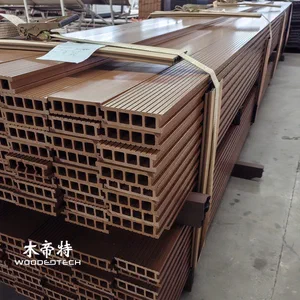 Outdoor WPC Wall Cladding for Modern Weather Resistant Building Exteriors
 teak composite cladding offers realistic wood appearance with durable outdoor wall protection performance
 wpc cladding gate designs combine decorative appearance with durable outdoor protection for entrance structures
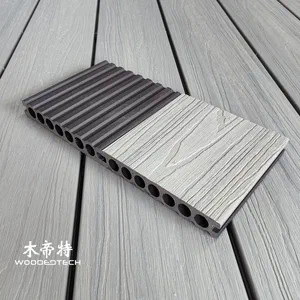 Supplier of WPC Wall Cladding for Premium Outdoor Building and Landscaping Projects
Related Products
 B14011 WPC Paneling Sheets Feature Double Flat Surfaces with Heat Pressed Wood Grain Designs for Outdoor Styles
 B7112 WPC Panel Design Exterior Boards Offer Stocked Fence Strips for Outdoor Decoration and Edge Finishing
 WPC Decking Accessories Provide Complete Installation Components for Professional Outdoor Flooring Projects