Wood Plastic Composite Panels for Outdoor Walls Cladding Fences Decking and Architectural Applications
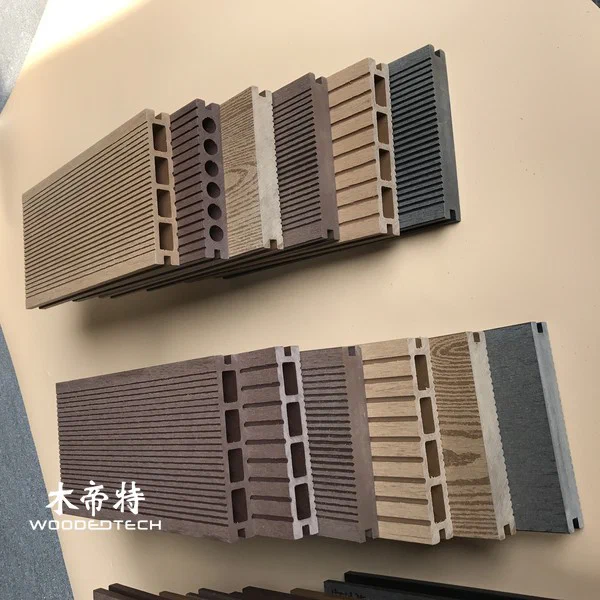
Designing high-performance wood plastic composite (WPC) formulas for outdoor applications such as decking, wall cladding, fencing, pergolas, and landscape products requires a careful balance of materials and properties. The goal is to create products that are not only aesthetically pleasing but also durable and cost-effective.
Balancing Wood Fiber and Plastic Ratio
The foundation of any WPC formula lies in the right balance between wood fiber content and plastic ratio. Generally, a higher wood fiber content improves the composite’s aesthetic appeal and provides a more natural texture. However, this can compromise the material’s strength and moisture resistance. Conversely, increasing the plastic content enhances durability and weather resistance but may reduce the natural feel. The optimal range typically falls between 40-70% wood fiber, depending on the specific application and desired properties.

Additives for Performance Enhancement
Additives play a crucial role in enhancing the performance of WPCs. These can include:
- UV stabilizers to prevent fading and degradation from sunlight.
- Antimicrobial agents to reduce mold and mildew growth.
- Flame retardants for increased safety.
- Colorants for aesthetic customization.
Selecting the right additives is essential for extending the lifespan of the product while maintaining cost-effectiveness. Each additive should be chosen based on the specific environmental conditions the WPC will face.
Cost Control Strategies
While performance is critical, controlling manufacturing costs is equally important for market competitiveness. This can be achieved by:
- Sourcing sustainable and cost-effective raw materials.
- Optimizing production processes to reduce waste.
- Using recycled materials where feasible, which can also enhance the environmental appeal of the product.
Balancing quality and cost requires a thorough understanding of market demands and consumer preferences.
Product Lifespan Considerations
The lifespan of WPC products is influenced by several factors, including material composition, environmental exposure, and maintenance requirements. High-quality formulations can last 25 years or more with proper care. Ensuring durability through rigorous testing and adhering to industry standards can help in designing products that meet or exceed customer expectations.
Sustainability in WPC Design
Sustainability has become a key driver in product development. Using recycled wood and plastics not only reduces waste but also appeals to eco-conscious consumers. Implementing eco-friendly practices in the manufacturing process can enhance brand reputation and attract a broader customer base.
FAQ
Q: What is the ideal wood fiber content for WPCs used outdoors?
A: The ideal wood fiber content typically ranges from 40-70%, balancing aesthetics with durability.
Q: How can additives improve WPC performance?
A: Additives like UV stabilizers and flame retardants enhance durability, safety, and the overall aesthetic quality of WPC products.
Q: What are the advantages of using recycled materials in WPCs?
A: Using recycled materials reduces environmental impact and can lower production costs while appealing to eco-conscious consumers.
Related Articles
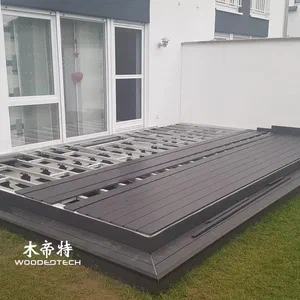 Composite Material Applications for Outdoor Decking Cladding Fencing Furniture and Garden Structures
 Solid Composite for Strong Durable Outdoor Decking Panels and Architectural Applications
 Composite Teak for Durable Outdoor Decking Furniture Cladding and Landscape Applications
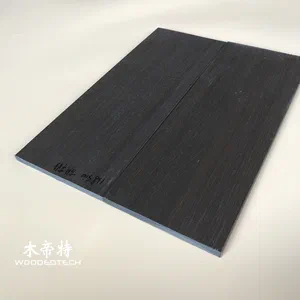 Outdoor WPC Deck for Durable Residential Gardens Patios Balconies and Landscape Projects
Related Products
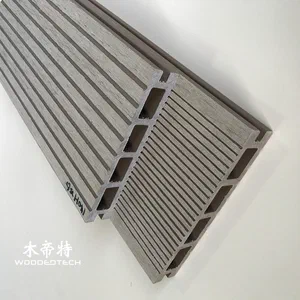 D14025-3 Composite Lumber for Decks Features a Classic Double Sided Groove Design with Excellent Value for Outdoor Projects
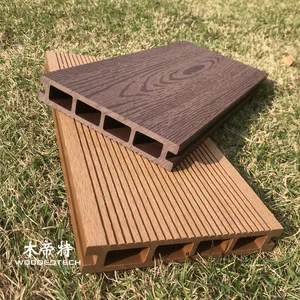 D14025-4 Composite for Decking Provides Stable Performance and Reliable Quality as a Popular Choice for Outdoor Projects
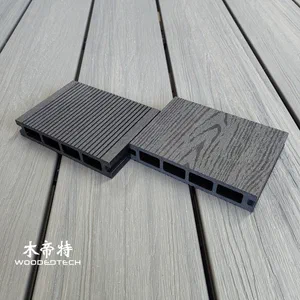 D14025-4 WPC Decking Boards Feature a Flat Wood Grain Surface with Black Ebony Heartwood Ring Grain for Outdoor Applications