
Wood plastic composite flooring installation provides practical guidance for creating durable outdoor floors
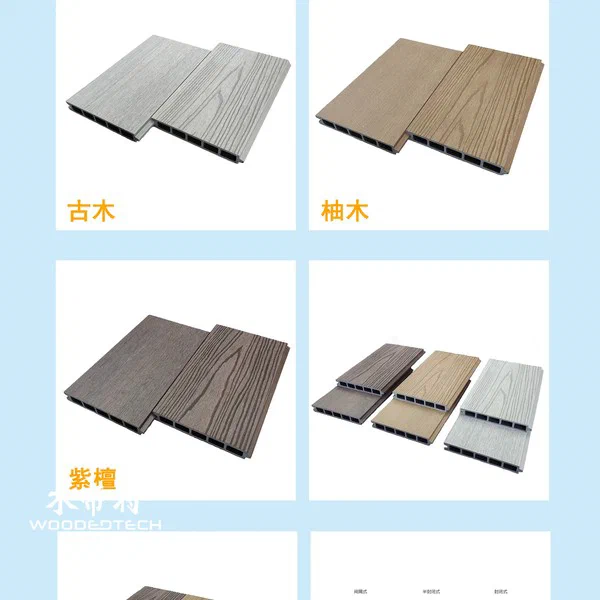
Wood plastic composite flooring installation is straightforward when the subframe is prepared correctly, the right fixing method is used, and movement gaps are respected. The same approach applies to outdoor decking and wall cladding: stable support, accurate spacing, clean cuts, and routine maintenance are what keep the finish durable.
Site checking and subframe preparation
Start by confirming the base is level, firm, and able to drain water away from the structure. For wpc decking, install the subframe on concrete pads, pedestals, or a treated joist system, depending on the project. Use joists at the spacing recommended by the board supplier, and make sure all supports are aligned before any boards are fixed.
For wall cladding, the batten frame must be flat, dry, and securely anchored to the wall. Keep the battens straight with consistent centers so the panel lines stay even. Leave space behind the cladding for air circulation and moisture release.
Fixing methods for boards and panels
Fixing method depends on the product profile. Grooved decking boards are usually installed with hidden clips, while solid boards often use face screws through pre-drilled holes. Use corrosion-resistant fasteners and avoid over-tightening, which can restrict natural movement.
For wpc wall cladding, use the clip or tongue-and-groove system specified by the manufacturer. Begin from a straight reference line and work upward or across, checking level and alignment at every course. If the system uses starter trims, install them first so the first board locks in correctly.
Expansion gaps, cutting, and detailing
Wood plastic composite materials expand and contract with temperature changes, so movement gaps are not optional. Leave perimeter gaps around walls, columns, and fixed edges, and maintain end-to-end spacing between boards as required by the product data. Do not butt boards tightly together.
Cut boards with fine-tooth saw blades for a clean edge. Support the board fully while cutting to reduce chipping, and seal any exposed cut ends if the manufacturer recommends it. Around corners, openings, and transitions, use trim pieces or edge profiles to protect the installation and improve appearance.
Maintenance after installation
Wpc flooring and cladding need low maintenance, not no maintenance. Sweep off grit regularly, wash with mild soap and water, and remove stains before they harden. Avoid harsh solvents, steel brushes, and pressure washing at close range.

Check fasteners, clips, and joints seasonally, especially after temperature swings. If a board becomes damaged, replace it promptly so water and debris do not work into the system.
FAQ
Q: Can wpc decking be installed directly on the ground? A: No. It needs a stable subframe with proper drainage and airflow to prevent movement and moisture problems.
Q: Do wpc wall cladding boards need expansion gaps? A: Yes. Expansion gaps are necessary at ends, corners, and perimeter edges to allow natural material movement.
Q: What is the best way to clean outdoor wpc flooring? A: Use a soft brush, water, and a mild detergent. Clean regularly and avoid aggressive chemicals or abrasive tools.
Related Articles
 Composite decking 3.6 m lengths support efficient installation for large outdoor decking projects
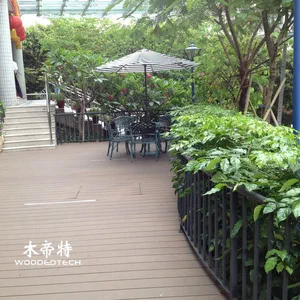 labor cost to install composite decking varies based on project size design and installation conditions
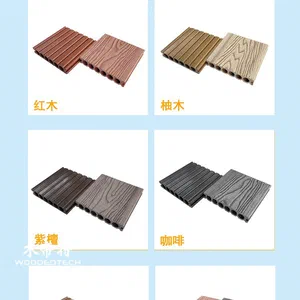 Composite decking questions help customers understand materials installation and maintenance requirements
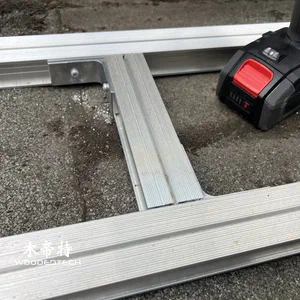 composite deck joist span table helps plan safe and efficient outdoor decking structures
Related Products
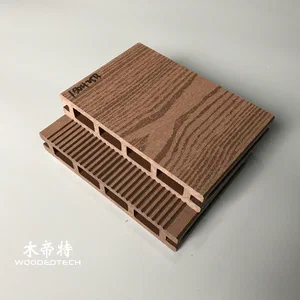 D15025-2 Classic Waterproof Insect Resistant Corrosion Resistant And Termite Resistant Composite Decking Types With Twenty Years Of Sales Experience
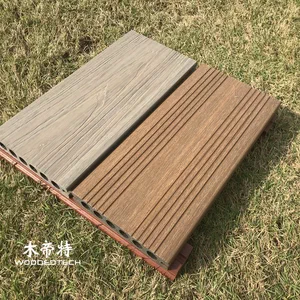 GD13823-3 Second Generation Co Extruded Wood Plastic Composites With High Quality Stable Performance For Premium Outdoor Applications
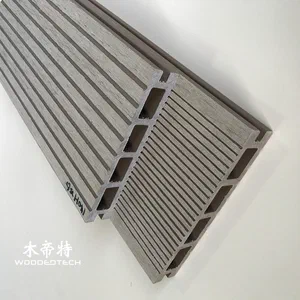 D14025-3 Composite Lumber for Decks Features a Classic Double Sided Groove Design with Excellent Value for Outdoor Projects