
Wood Plastic Composite Flooring: Industrial Solutions Guide 2026
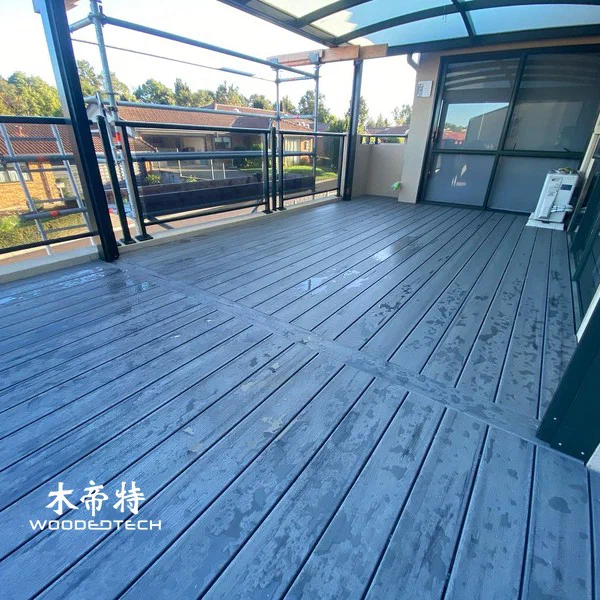
Wood plastic composite flooring is an engineered outdoor flooring solution that combines wood fibers and recycled polymers to deliver wood-like appearance with improved weather resistance. For industrial, commercial, and large-scale exterior projects in 2026, WPC flooring provides a balance of durability, low maintenance, safety, and lifecycle value compared with traditional wood, aluminum, and other outdoor materials.
WPC Flooring vs Natural Wood and Timber
Traditional timber remains popular for outdoor decks because of its authentic grain, strength, and natural appearance. However, untreated or low-grade wood requires regular protection against moisture, insects, UV exposure, and fungal growth. Hardwood species can offer better durability but usually come with higher material costs and limited availability.
Wood plastic composite decking reduces many of these maintenance challenges. It does not require annual staining, sealing, or painting, and it maintains a consistent appearance under changing weather conditions. For industrial applications such as public walkways, resorts, commercial terraces, and pool areas, reduced maintenance labor can significantly lower long-term operating costs.
Compared with natural wood, WPC advantages include:
- Higher resistance to moisture, rot, and insect damage
- More stable dimensions with less cracking and warping
- Better slip resistance options for outdoor environments
- Consistent quality for large-scale projects

The main disadvantage of WPC is that it does not fully replicate the unique texture and aging characteristics of natural timber. Initial costs may also be higher than basic softwood decking.
Comparison With Aluminum and Other Exterior Materials
Aluminum flooring and decking systems are valued for strength, fire resistance, and excellent corrosion performance. They are often used in industrial facilities where extreme durability is required. However, aluminum has a higher initial investment, a more industrial appearance, and can become hot under direct sunlight.
Compared with aluminum, outdoor wpc flooring provides a warmer surface feel and a natural wood appearance while offering easier design integration with gardens, landscapes, and architectural spaces.
Other exterior flooring materials have different trade-offs:
- Concrete: Highly durable and affordable but harder to modify, less comfortable underfoot, and limited in appearance.
- Ceramic or porcelain tiles: Attractive and resistant to weather but may crack under impact and require more complex installation.
- Natural stone: Premium appearance and long service life but higher material and installation costs.
For projects where aesthetics, comfort, and lifecycle savings matter, WPC is often selected as a practical alternative to these materials.
Lifecycle Cost and Maintenance Analysis
The lifecycle cost of exterior flooring includes purchase price, installation, cleaning, repairs, replacement, and labor. Although wood plastic composite decking may have a higher upfront cost than some wood options, its reduced maintenance requirements often improve total project value over 10–25 years.
Typical WPC maintenance includes:
- Regular cleaning with water and mild detergent
- Removing leaves, dirt, and standing debris
- Checking fasteners and structural supports during inspections
Unlike timber, WPC does not normally require seasonal sealing or protective coatings. This makes it suitable for commercial properties where maintenance downtime affects operating efficiency.
Modern solutions such as co-extrusion decking add an extra protective layer that improves stain resistance, color stability, and surface durability for demanding environments.
Choosing WPC for Industrial Exterior Projects
Selecting the right flooring depends on climate, traffic levels, design requirements, and budget planning. High-quality WPC products should be evaluated by material composition, load capacity, surface treatment, UV resistance, and installation system compatibility.
For architects, contractors, and developers, WPC offers a reliable middle ground between natural wood aesthetics and industrial-grade performance. It supports sustainable construction goals by incorporating recycled materials while reducing replacement frequency and ongoing maintenance demands.
FAQ
Q: Is WPC flooring more durable than traditional timber? A: WPC flooring generally offers better resistance to moisture, insects, and weather-related damage, while timber performance depends heavily on species and maintenance.
Q: Does WPC flooring require regular maintenance? A: WPC mainly requires routine cleaning and inspection, without the sealing and staining commonly needed for outdoor wood.
Q: Is WPC suitable for commercial and industrial projects? A: Yes, WPC flooring is widely used for outdoor commercial areas, walkways, hospitality spaces, and landscape projects where durability and low maintenance are important.
Related Articles
 WPC Flooring What Is It and How Does It Perform in Outdoor Applications
 wpc flooring meaning explains the features and benefits of wood plastic composite flooring products
 wpc flooring pros and cons explain the advantages and limitations of wood plastic composite flooring
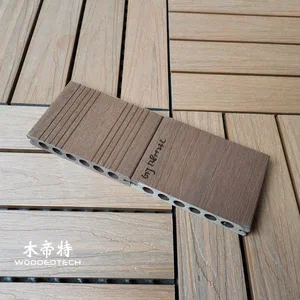 WPC Flooring Cost Depends on Material Quality Design and Project Requirements
Related Products
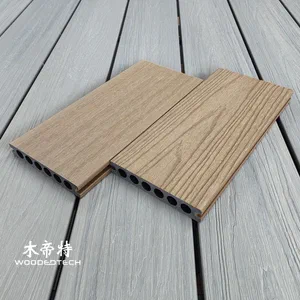 3DGD13823 Second Generation 3D Embossed Teak Decking Composite Material Features Ultra Realistic Wood Grain Texture for Elegant Outdoor Flooring
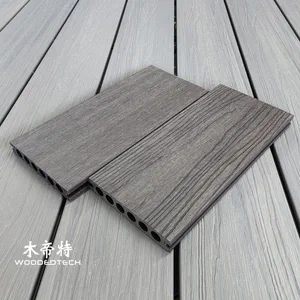 3DGD13823 Second Generation 3D Embossed Walnut WPC Decking Combines Ultra Realistic Wood Grain Texture with the Natural Beauty of Walnut for Outdoor Spaces
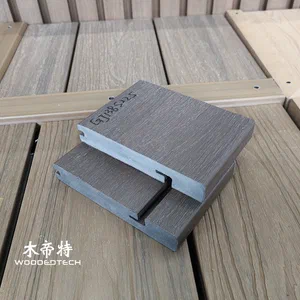 GD13822.5S Fully Capped Solid Starter Wood Polymer Composite Decking Provides a Stable Starting Structure for the First Decking Board