Wood plastic composite fence offers durable outdoor privacy solutions with modern decorative styles
Wood plastic composite fencing gives outdoor spaces durable privacy with a cleaner, more modern look than traditional timber. It combines weather resistance, low maintenance, and decorative design options that work well across residential, commercial, and landscape projects.
Modern fence design is no longer just about blocking views
Today’s fence trends focus on privacy, style, and a stronger connection to the rest of the outdoor architecture. Homeowners and project developers want fencing that matches decking, wall panels, pergolas, and garden structures instead of standing apart as a separate utility product. Wood plastic composite fence systems answer that need with consistent colors, sharp profiles, and a refined surface that feels intentional.

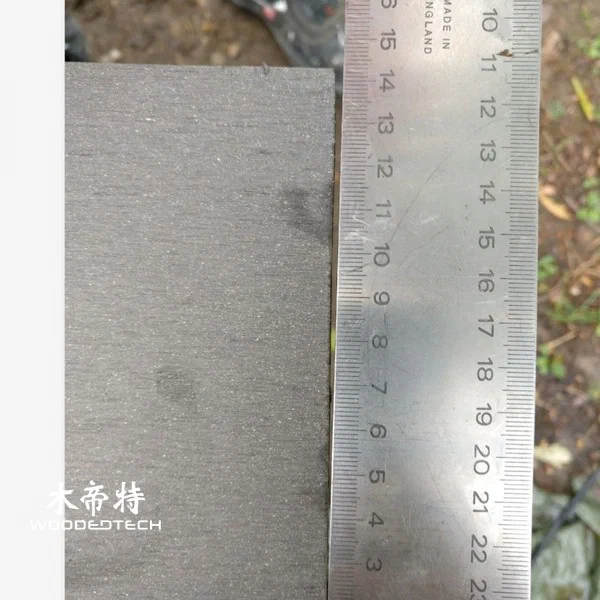
Color plays a bigger role than many buyers expect. Deep charcoal, walnut brown, teak tones, and soft grey are popular because they pair easily with composite decking and exterior wall panels. These shades create a calm, modern backdrop for patios, pools, and garden seating areas, while darker fence lines can also make planting and lighting stand out more clearly.
Texture and profile shape define the visual impact
The right surface texture can turn a simple fence into a decorative feature. Wood grain embossing gives WPC fencing a natural appearance without the maintenance problems of real wood, while smoother matte finishes suit minimalist homes and commercial sites. Fluted and slatted profiles are also gaining attention because they add rhythm and depth without making the fence feel heavy.
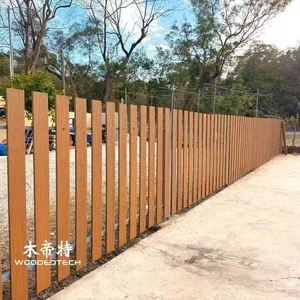
Profile design matters just as much as color. Horizontal fence layouts create a wider, more contemporary look, while vertical panels bring height and structure to compact spaces. For projects that need airflow and partial screening, modular privacy screens and adjustable slat systems can balance openness with enclosure.
Modular systems improve installation and project flexibility
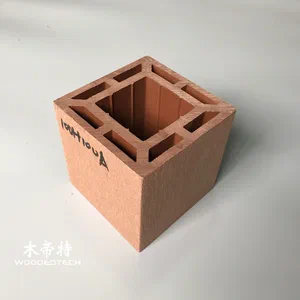
Modular design is one of the main reasons WPC fencing is now used in broader outdoor planning. Panels, posts, caps, and matching trim pieces can be combined to fit different site conditions, which simplifies installation and helps maintain a clean finish. This approach works especially well in developments where consistency across multiple outdoor zones is important.
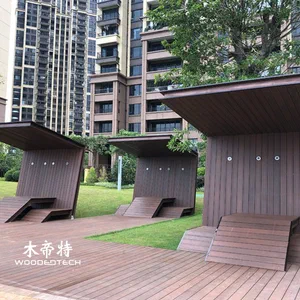
The same design language can be carried into composite pergolas, gazebos, landscape edging, and decorative wall cladding. When these products share similar colors and textures, the entire site feels more cohesive. That is why many designers now specify matching WPC elements for privacy fencing, shaded seating areas, and garden partitions.
Why buyers choose WPC for privacy and decoration
Compared with timber, wood plastic composite fencing offers better resistance to moisture, fading, and warping. It holds its appearance longer in sun, rain, and coastal conditions, which makes it a practical choice for long-term outdoor use. For buyers, that means fewer repairs and a more reliable finish with less upkeep.
It also gives manufacturers and project owners more freedom in design. Whether the goal is a sleek boundary fence, a decorative screen, or a coordinated outdoor package, WPC makes it easier to build privacy solutions that look modern and stay durable.
FAQ
Q: Why is wood plastic composite fencing popular for modern outdoor spaces? A: It combines privacy, durability, and a contemporary look. The material also works well with other outdoor products like decking and pergolas.
Q: What design features make WPC fencing look more premium? A: Rich color options, realistic wood-grain textures, and clean horizontal or vertical profiles all improve the visual effect. Modular panel systems also create a more polished finish.
Q: Can WPC fence styles be matched with other landscape products? A: Yes, matching tones and textures can be used across wall panels, pergolas, gazebos, and decking. This creates a unified outdoor design.