
wood plastic composite decking tariff code information helps buyers understand international import classification requirements

Wood plastic composite decking tariff code information helps buyers understand how international import classification works before placing an order. For overseas purchasers, the right tariff code affects customs clearance, duty calculation, and the shipping documents needed for smooth delivery.
International purchasing process for WPC decking

A proper export project usually starts with a clear quotation request. Buyers should share product type, dimensions, surface treatment, color, order quantity, destination port, and target market standards so the supplier can confirm pricing, lead time, and the most suitable wood plastic composite decking tariff code for the destination country.
After the quotation is approved, sample confirmation comes next. Samples should match the intended production formula, board profile, and packaging method, because customs classification and buyer expectations often depend on the exact specification. Once the sample is signed off, the order can move into bulk production with fewer risks of dispute.
Packaging, loading, and shipment control
Packaging for outdoor WPC products must protect against moisture, edge damage, and deformation during transit. Export cartons, pallet wrapping, corner protection, and clear label marks help buyers and distributors handle goods efficiently on arrival. For mixed orders, carton labels should also identify color, length, batch number, and stack position for easy warehouse sorting.
Container loading should follow a planned sequence based on board length and weight balance. Long decking boards need stable stacking, proper support, and enough space to avoid bending. Before sealing the container, the exporter should check quantity, pallet condition, container cleanliness, and photos of the loaded goods for recordkeeping.
Shipping documents and import classification
For international trade, shipping documents must match the cargo description and tariff declaration. Common documents include the commercial invoice, packing list, bill of lading, certificate of origin if required, and product specifications. If the buyer’s customs broker asks for technical details, the supplier should provide material composition, density, application, and product photos to support accurate classification.
The wood plastic composite decking tariff code is not just a customs number. It helps importers estimate duty, confirm compliance, and avoid delays caused by inconsistent declarations. Because tariff rules can vary by country, buyers should always verify the final code with local customs or a licensed broker before shipment.
Cooperation with overseas distributors
Overseas distributors usually need more than a single shipment. They want stable supply, consistent quality, brand support, and clear after-sales communication. A reliable OEM partner can offer private label packing, market-specific colors, customized lengths, and repeat-order schedules that fit local sales channels.
For distributors, the best cooperation model is built on transparency: agreed specifications, confirmed tariff classification, standard documents, and a practical reordering plan. This reduces clearance problems and makes it easier to promote WPC decking in retail, project, and wholesale markets.
FAQ
Q: Why is the tariff code important for wood plastic composite decking? A: It determines customs duty, import compliance, and the documents needed for clearance. Using the wrong code can cause delays or extra charges.
Q: What should buyers confirm before mass production? A: Buyers should confirm the sample, dimensions, color, surface finish, packaging, and destination requirements. This keeps production aligned with the import market.
Q: How can distributors reduce shipment risk? A: They should work with suppliers that provide complete export documents, careful container loading, and consistent product specifications. This helps avoid customs and quality disputes.
Related Articles
 extruded wood plastic composite decking provides stable quality for outdoor flooring applications worldwide
 plastic wood flooring cost depends on material structure surface design and project requirements
 wood plastic decking nz solutions are designed for outdoor environments requiring low maintenance flooring systems
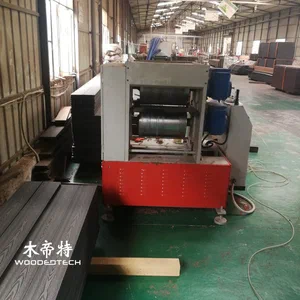 14 ft composite deck boards offer long length options for large outdoor flooring projects
Related Products
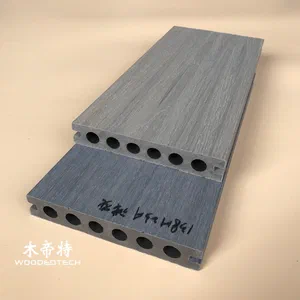 GD13823 Composite Decking Material Features Six Small Round Holes to Reduce Weight While Maintaining Structural Strength
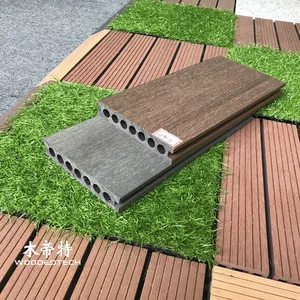 GD13823-2 Wood Versus Composite Decking Features Seven Round Holes with Wood Grain and Brushed Textures on Opposite Sides
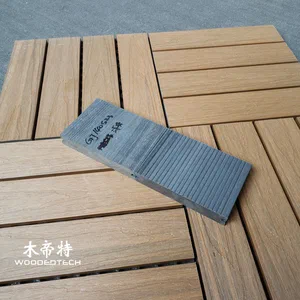 GD14023S Composite Deck Materials Feature a Solid Structure and Side Grooves for Better Adaptability in Extremely Cold Climates