
wood plastic composite decking hs code helps global buyers understand export and import classification requirements

Wood plastic composite decking hs code is one of the first details international buyers ask for when they plan an import order. It affects customs classification, duty checks, shipping documents, and whether the product description matches local trade rules in the destination market.
For overseas buyers, the purchasing process usually starts with a clear inquiry: product type, profile size, surface treatment, color, density, loading quantity, and destination port. A serious exporter will then issue a quotation based on the correct specification, EXW, FOB, or CIF terms, and should confirm whether the declared HS code is for the decking board itself, a decking kit, or another related WPC product. That classification step matters because customs authorities may treat similar-looking products differently depending on composition and use.
From sample to production
After the quote is accepted, buyers normally request samples for visual approval and physical testing. This is where profile stability, slip resistance, color consistency, and surface finish are checked. For wood plastic composite decking, sample approval should also cover packaging marks, logo printing, and carton or pallet details, since these elements often need to match distributor requirements in the local market.

Once the sample is approved, the exporter confirms the final order quantity and production schedule. At this stage, communication with overseas distributors is important. They usually need private label support, stable repeat orders, and consistent batch quality, so the factory should keep the formula, embossing pattern, and color standard locked before mass production starts.
Packaging and container loading
Packaging for export needs to protect the boards from edge damage, moisture, and movement during long-distance transport. Standard export packing may include bundled boards, corner protection, palletizing, and clear shipping marks showing model, quantity, and destination. If the buyer is a distributor, the exporter should also align carton labels, barcode rules, and outer packaging language with the target market.
Container loading is the next control point. Buyers and forwarders usually want to know the loading plan, gross weight, volume, and how many square meters fit into each container. A well-managed loading process reduces breakage and helps buyers calculate landed cost more accurately. Photos or loading reports are often shared before vessel departure so the distributor can verify the shipment against the purchase order.
Shipping documents and distributor cooperation
The shipping file normally includes the commercial invoice, packing list, bill of lading, certificate of origin if required, and any product-related test reports requested by the market. If the buyer needs customs support, the exporter should make sure the product description, HS code, and quantity match across all documents. Small inconsistencies can delay clearance and create extra inspection costs.
For overseas distributors, cooperation is stronger when the supplier can support repeated orders, stable lead times, and market-specific labeling. Many distributors also ask for sales materials, installation guidance, and product photos to support local promotion. When the exporter understands both the decking product and the destination import rules, the transaction becomes smoother from quotation to delivery.
FAQ
Q: Why is the HS code important for wood plastic composite decking? A: It determines how customs classifies the product, which affects duty rates, clearance checks, and document consistency. The wrong code can delay import clearance.
Q: What should buyers confirm before placing an order? A: They should confirm the profile, size, surface finish, color, quantity, trade term, and sample approval. Packaging and labeling requirements should also be checked early.
Q: What documents are usually needed for shipment? A: The usual set includes the commercial invoice, packing list, bill of lading, and certificate of origin when needed. Some buyers also request test reports or product specifications.
Related Articles
 wood plastic composite decking tariff code information helps buyers understand international import classification requirements
 extruded wood plastic composite decking provides stable quality for outdoor flooring applications worldwide
 wood plastic decking nz solutions are designed for outdoor environments requiring low maintenance flooring systems
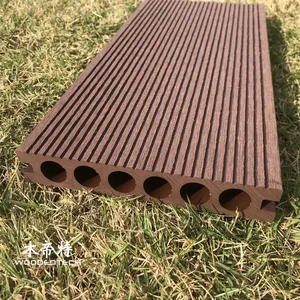 WPC decking detail explains profile structures and installation features for outdoor applications
Related Products
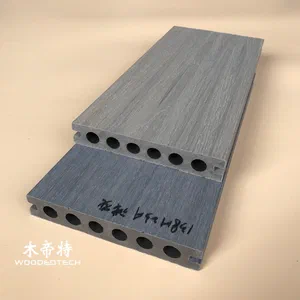 GD13823 Composite Decking Material Features Six Small Round Holes to Reduce Weight While Maintaining Structural Strength
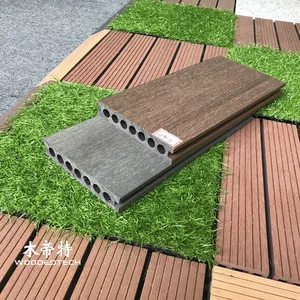 GD13823-2 Wood Versus Composite Decking Features Seven Round Holes with Wood Grain and Brushed Textures on Opposite Sides
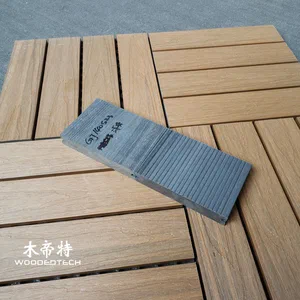 GD14023S Composite Deck Materials Feature a Solid Structure and Side Grooves for Better Adaptability in Extremely Cold Climates