
Wood Plastic Composite Cladding: Benefits, Applications, and Industry Trends
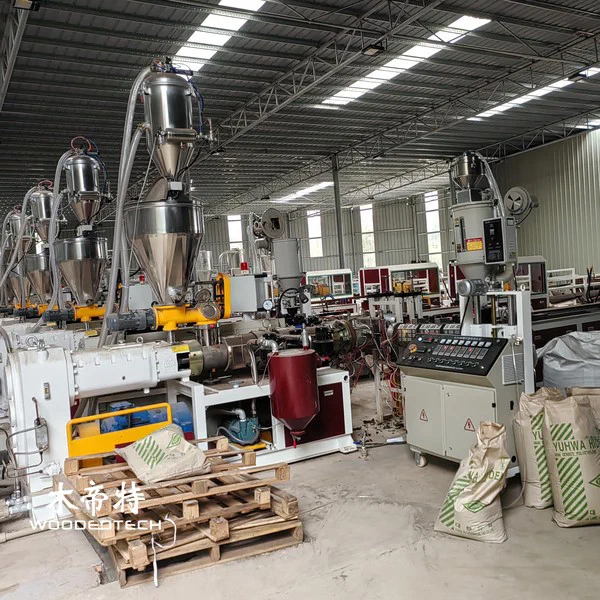
Wood plastic composite (WPC) cladding is becoming an increasingly attractive alternative to traditional timber and conventional exterior wall materials. By combining wood fibers with thermoplastics, manufacturers produce exterior panels that offer a natural wood appearance, reduced maintenance requirements, and improved resistance to moisture and weathering. As global construction markets place greater emphasis on sustainable materials, long-term performance, and modern facade design, WPC cladding is gaining opportunities across residential, commercial, and landscape applications.
What Makes WPC Cladding an Attractive Building Material?
WPC cladding typically consists of wood flour or wood fibers blended with polymers such as polyethylene (PE), polypropylene (PP), or polyvinyl chloride (PVC), together with stabilizers, pigments, and other additives. The exact formulation determines the product’s appearance, mechanical properties, weather resistance, and intended application.
Compared with natural timber, wood plastic composite cladding offers several practical advantages:
- Moisture resistance: Properly formulated WPC panels absorb less moisture than untreated wood, reducing the risk of swelling, warping, and decay.
- Lower maintenance: Most products do not require regular painting, staining, or protective oil treatments.
- Consistent appearance: Controlled manufacturing processes help maintain uniform dimensions, colors, and surface textures.
- Design flexibility: Extrusion technology supports different profiles, including flat panels, fluted surfaces, wood-grain finishes, and decorative slats.
- Resource efficiency: Recycled plastics and recovered wood fibers can be incorporated into suitable formulations, helping reduce dependence on virgin raw materials.

However, WPC is not completely maintenance-free or immune to environmental damage. UV exposure, temperature changes, installation quality, and product formulation all influence long-term performance. Buyers should evaluate technical specifications rather than relying on general durability claims.
Growing Applications Across Global Construction Markets
The demand for exterior wall cladding is closely connected to residential construction, commercial development, renovation projects, and outdoor living trends. WPC cladding is particularly relevant where developers want the appearance of natural wood without the maintenance requirements associated with conventional timber.
In residential construction, WPC exterior wall panels are increasingly suitable for house facades, balconies, garden rooms, exterior feature walls, and extensions. Wood-look finishes complement contemporary architectural styles, particularly when combined with glass, concrete, aluminum, and stone.
Commercial applications offer another growth opportunity. Hotels, restaurants, retail developments, office buildings, and leisure facilities use decorative exterior materials to create distinctive architectural identities. WPC wall cladding can provide a consistent visual finish across larger facade areas, although commercial projects require careful assessment of fire performance, structural fixing systems, and local building regulations.
The market is also expanding beyond conventional wall applications. Manufacturers are developing coordinated outdoor product ranges that combine WPC cladding with composite decking, fencing, pergolas, privacy screens, exterior louvers, and garden structures. This creates opportunities for distributors and project contractors to source matching materials from fewer suppliers.
Geographically, Europe offers opportunities linked to renovation, resource efficiency, and demand for low-maintenance building materials. North American markets provide potential in residential remodeling and outdoor living projects. In Asia-Pacific, urban development, hospitality construction, and growing interest in modern exterior finishes create additional demand. In the Middle East and other hot-climate markets, UV stability and thermal performance are especially important purchasing considerations.
Key Industry Trends Shaping the WPC Cladding Market
1. Sustainable Materials and Recycled Content
Environmental performance is becoming an important factor in international construction procurement. Manufacturers are increasingly exploring recycled polyethylene, polypropylene, and recovered wood fibers to reduce the use of virgin resources.
In Europe, Regulation (EU) 2024/3110, the revised Construction Products Regulation, introduces a stronger framework for environmental performance information, including life-cycle assessment characteristics and digital product information. Most of its provisions became applicable on January 8, 2026, although implementation depends on product-specific standards and transitional arrangements.
For WPC manufacturers, this development increases the commercial value of transparent material sourcing, documented recycled content, and reliable environmental data. Suppliers able to provide credible technical documentation and product-level environmental information may gain an advantage when competing for international construction projects.
2. Co-Extrusion Technology and Improved Surface Protection
One of the most important product developments is co-extrusion technology. This manufacturing process creates a protective polymer-rich outer layer around a WPC core, helping improve resistance to staining, moisture penetration, scratches, and UV exposure.
Compared with conventional uncapped products, co-extrusion WPC cladding can offer better surface protection and more consistent appearance under demanding outdoor conditions.
Manufacturers are also investing in improved surface treatments, including realistic wood-grain embossing, brushed textures, matte finishes, and deeper three-dimensional patterns. These developments help composite products compete with premium natural timber in architectural projects.
3. Modern Facade Design and Customization
Architectural preferences are moving beyond traditional horizontal timber-look panels. Vertical cladding, narrow slats, fluted wall panels, mixed-width profiles, and decorative exterior louvers are becoming important design options.
Customization is another growing opportunity. Architects, contractors, and project developers increasingly seek specific colors, dimensions, surface textures, and installation systems. Manufacturers offering custom extrusion profiles and OEM production services can serve specialized projects more effectively than suppliers relying exclusively on standard catalog products.
4. Performance, Safety, and Installation Standards
As WPC cladding enters more demanding commercial and multi-unit residential projects, buyers are paying closer attention to fire classification, dimensional stability, fixing systems, wind resistance, and long-term weathering performance.
Fire performance deserves particular attention because composite products contain polymer components, and their classification varies according to formulation and construction. Manufacturers should provide applicable test reports rather than make unsupported fire-resistance claims.
Installation systems are also evolving. Concealed clips, ventilated facade assemblies, aluminum substructures, and coordinated accessory systems can improve installation consistency and simplify maintenance. These developments create additional value beyond the cladding panels themselves.
Future Market Opportunities for WPC Cladding Manufacturers and Exporters
The next stage of market development will favor suppliers that compete on product performance, technical support, and customization rather than price alone.
First, premium co-extrusion cladding represents an opportunity to serve customers seeking longer-lasting exterior finishes and improved surface protection. Offering multiple textures, colors, and profile dimensions can help exporters target higher-value projects.
Second, integrated outdoor building material solutions can strengthen distributor relationships. Companies supplying WPC wall cladding alongside composite decking, fencing, pergolas, louvers, and decorative screens can offer coordinated product collections for residential developments, hotels, resorts, and landscape projects.
Third, OEM and private-label manufacturing can open additional international sales channels. Importers and regional distributors often need products adapted to local design preferences, packaging requirements, dimensions, and installation practices. Flexible production capacity and reliable quality control are important advantages in this segment.
Finally, technical transparency will become increasingly important. International buyers are more likely to evaluate suppliers based on product specifications, material composition, test documentation, production consistency, and after-sales support. Exporters should invest in relevant testing, installation guidance, clear warranty conditions, and environmental documentation to build long-term business relationships.
Building a Competitive Position in the Global WPC Cladding Industry
WPC cladding has developed from a decorative alternative to timber into a more versatile exterior building material. Advances in co-extrusion, surface design, recycled material utilization, and installation technology are expanding its potential across global construction and landscaping markets.
For manufacturers and international distributors, the strongest opportunities lie in combining attractive wood-look finishes with dependable outdoor performance, documented product quality, and flexible manufacturing capabilities. Companies that understand regional building requirements and deliver complete exterior solutions will be better positioned to capture future demand in the evolving composite building materials industry.
Sources supporting the regulatory and market context:
- European Commission: Construction Products Regulation 2024 revision.
- EUR-Lex: Regulation (EU) 2024/3110.
- European Commission: Environmental characteristics of construction products.
Related Articles
 WPC Wall Cladding Installation Requires Proper Planning for Stable and Attractive Exterior Applications
 wpc cladding melbourne provides stylish exterior wall panel solutions for modern outdoor architecture projects
 wpc cladding sydney offers modern exterior wall decoration solutions for Australian outdoor building projects
 wpc cladding gate designs combine decorative appearance with durable outdoor protection for entrance structures
Related Products
 B14011 WPC Paneling Sheets Feature Double Flat Surfaces with Heat Pressed Wood Grain Designs for Outdoor Styles
 B7112 WPC Panel Design Exterior Boards Offer Stocked Fence Strips for Outdoor Decoration and Edge Finishing
 WPC Decking Accessories Provide Complete Installation Components for Professional Outdoor Flooring Projects