
wood plastic composite 4x4 offers strong structural support for outdoor landscaping applications
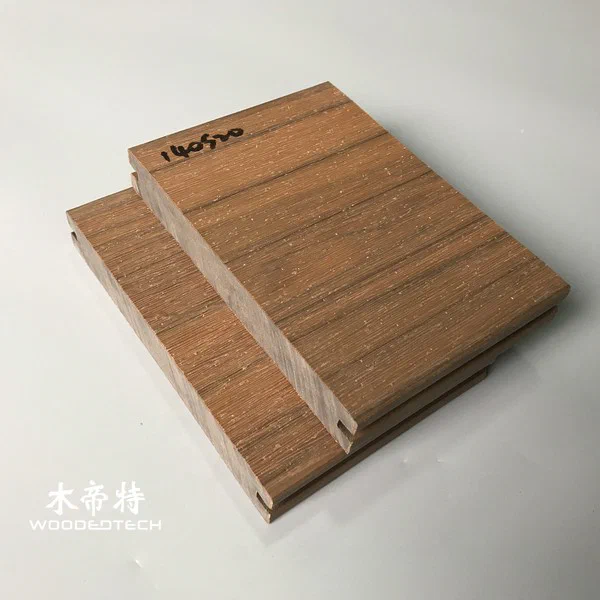
Wood plastic composite 4x4 profiles are widely used for outdoor landscaping because they combine structural support with lower weight and easier handling than many traditional materials. For posts, edging, frames, and decorative supports, the right profile design can improve load capacity, reduce material use, and simplify installation.
Why profile design matters
In WPC extrusion, the profile shape does most of the engineering work. A 4x4 size may look simple from the outside, but wall thickness, internal cavity layout, and corner geometry all affect stiffness, screw-holding performance, and resistance to bending. For landscaping applications, the goal is usually not maximum bulk; it is controlled strength with stable dimensions and predictable installation behavior.
Hollow profiles are often chosen when weight reduction and lower material cost are priorities. They are easier to carry, cut, and position on site, which helps crews work faster on fences, planter frames, pergolas, and border structures. Solid structures, by contrast, deliver higher mass and better impact resistance, so they are preferred where the part must take concentrated loads or frequent fastening, such as base supports, posts, and heavy-duty trim pieces.
Hollow vs. solid structures
Hollow WPC 4x4 profiles can be engineered with multiple chambers to improve stiffness without turning the part into a full solid block. This approach reduces resin and fiber consumption, keeps extrusion stable, and lowers shipping weight. The trade-off is that fasteners and end connections need proper reinforcement, especially in outdoor installations where wind and lateral stress are present.
Solid structures cost more in material and increase transport weight, but they offer better screw retention, higher compression strength, and a more forgiving installation process. When the application involves load transfer, accidental knocks, or repeated maintenance access, solid or partially reinforced profiles often perform better over time.
Rib design and surface pattern effects

Internal ribs are one of the most important design tools in WPC extrusion mold engineering. Ribs add stiffness, control cooling shrinkage, and help the profile keep its shape after extrusion. Well-placed ribs can improve bending resistance without making the wall too thick, which is useful when the product must balance performance and cost.
Surface patterns also matter. A smooth surface is easier to clean and usually simpler to extrude, while a wood-grain or embossed pattern improves appearance and helps hide minor wear. Deep decorative textures can slightly increase tooling complexity, but they add value for visible landscaping parts where the product must look refined as well as strong. For outdoor use, surface design should also support grip, drainage, and weathering resistance.
Installation and cost performance
A good WPC 4x4 profile should install cleanly with standard cutting, drilling, and concealed or face-fixing methods. Profiles with consistent wall thickness and well-supported corners reduce cracking during fastening and improve alignment across long runs. That is especially important in landscaping systems where posts and frames must stay straight in sun, rain, and temperature changes.
From a cost perspective, the best design is the one that uses material efficiently without sacrificing reliability. Hollow and ribbed profiles usually offer the strongest value for general landscaping work, while solid profiles are better when the application justifies the added material. The right choice depends on load requirement, visibility, hardware method, and the expected service life of the installation.
FAQ
Q: When should a WPC 4x4 profile be hollow instead of solid? A: Hollow profiles work well when you want lower weight, lower cost, and easier handling. They are a good fit for non-critical landscaping structures and decorative supports.
Q: Do internal ribs really improve WPC strength? A: Yes, ribs help resist bending and keep the profile stable during cooling and use. They are one of the most efficient ways to improve strength without adding too much material.
Q: What surface pattern is best for outdoor landscaping? A: A wood-grain or lightly embossed surface is usually preferred because it looks natural and helps hide wear. For wet or exposed areas, a texture that improves grip can also be useful.
Related Articles
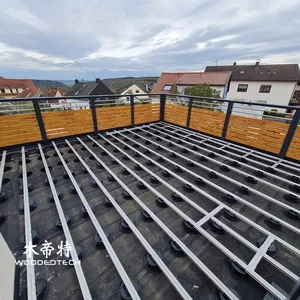 buy wpc decking plank from a professional manufacturer for customized outdoor decking solutions
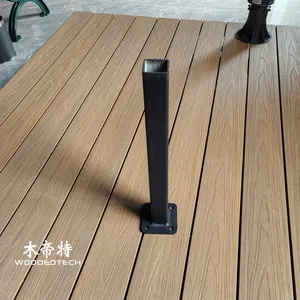 composite decking framework provides a stable foundation system for outdoor deck installation
 does composite decking come in white with customizable colors for different outdoor designs
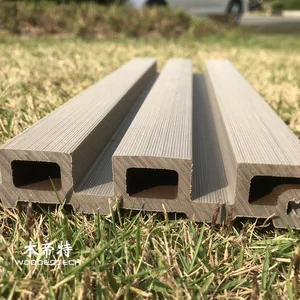 plastic wood flooring price depends on material quality design options and project requirements
Related Products
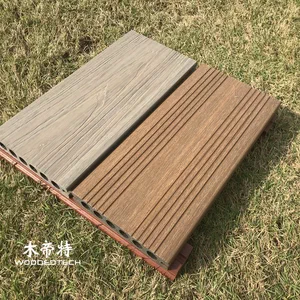 GD13823-3 Second Generation Co Extruded Wood Plastic Composites With High Quality Stable Performance For Premium Outdoor Applications
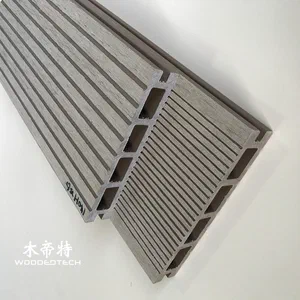 D14025-3 Composite Lumber for Decks Features a Classic Double Sided Groove Design with Excellent Value for Outdoor Projects
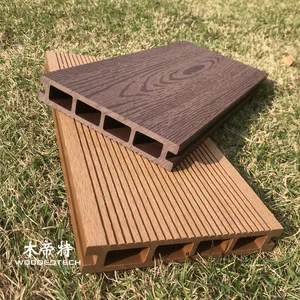 D14025-4 Composite for Decking Provides Stable Performance and Reliable Quality as a Popular Choice for Outdoor Projects