
Wood Composite Wall Panels WPC Cladding: A B2B Buyer’s Guide to Quality and Performance
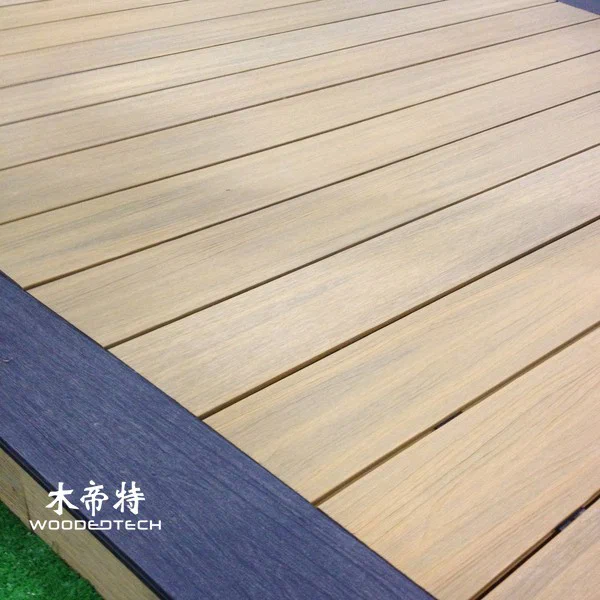
Wood composite wall panels, commonly known as WPC cladding, provide an attractive and practical solution for modern exterior wall applications. Manufactured from a combination of wood fibers and thermoplastic polymers, these panels offer the natural appearance of timber with improved resistance to moisture, weather exposure, and everyday wear. For distributors, contractors, developers, and construction material importers, understanding WPC cladding quality and performance is essential when selecting a reliable manufacturing partner.
Understanding Wood Plastic Composite Wall Panels
Wood plastic composite wall panels are engineered building materials designed to combine the visual appeal of natural wood with the functional advantages of plastic. Typical formulations contain wood powder or fibers, PE, PVC, or other compatible polymers, along with coupling agents, stabilizers, pigments, and processing additives.
The exact formulation has a direct influence on product performance. Wood content affects texture and appearance, while polymer selection and additive quality influence moisture resistance, dimensional stability, and durability. A professional WPC manufacturer carefully controls these components to achieve consistent extrusion quality and reliable finished products.
For international buyers, it is important to distinguish between decorative indoor panels and exterior-grade WPC wall cladding. Outdoor applications require materials specifically engineered to withstand sunlight, temperature changes, humidity, and rainfall. Selecting the correct product category helps prevent premature fading, deformation, and surface deterioration.
Key Quality Factors Buyers Should Evaluate
Not all WPC cladding panels offer the same performance. Buyers should evaluate several technical factors before placing bulk orders or approving a long-term supply agreement.
- Material composition: Consistent raw material ratios help maintain mechanical strength, surface quality, and production stability.
- Density and structure: Panel density, wall thickness, and internal profile design affect rigidity, weight, and installation performance.
- Moisture resistance: Quality WPC panels should resist water absorption, swelling, and moisture-related deterioration under their intended service conditions.
- UV resistance: Outdoor formulations should incorporate suitable UV stabilizers and pigments to reduce fading and surface degradation.
- Dimensional stability: Panels should maintain their shape under normal environmental temperature fluctuations when installed according to manufacturer specifications.
- Surface finish: Uniform colors, realistic wood grain, and consistent textures contribute to a professional architectural appearance.

Buyers should request technical datasheets, product samples, and relevant test reports rather than relying entirely on marketing descriptions. Where projects have specific performance requirements, independent testing can help verify claims relating to water absorption, mechanical properties, weathering, and fire performance.
Co-Extrusion Technology and Surface Protection
Co-extrusion is an important manufacturing development in the WPC cladding industry. Unlike conventional single-layer extrusion, this process combines a structural WPC core with an additional protective outer layer during production.
The outer layer is typically formulated to improve resistance to stains, scratches, UV exposure, and moisture. This construction can provide better long-term surface protection than standard uncapped WPC panels, making it particularly suitable for demanding exterior applications.
For B2B buyers, wpc co-extrusion wall panel products can be an attractive option for commercial buildings, residential developments, hotels, and outdoor architectural projects. However, the performance advantage depends on the quality of the protective layer, bonding between layers, and manufacturing consistency.
When evaluating co-extruded products, buyers should examine:
- Protective layer thickness and uniformity.
- Bonding strength between the core and outer layer.
- Color consistency across production batches.
- Resistance to surface scratching and staining.
- Performance after accelerated weathering tests.
A reliable manufacturer should be able to explain its co-extrusion process and provide samples that allow buyers to assess the actual surface quality.
Design, Profiles, and Installation Considerations
Modern WPC wall cladding is available in different profiles, dimensions, colors, and surface textures. Popular options include flat panels, hollow profiles, solid profiles, fluted designs, and wood-grain finishes. These variations allow architects and contractors to create different facade styles without depending on natural timber.
Horizontal and vertical installation patterns can produce different visual effects, while coordinated accessories help create a consistent architectural finish. Buyers sourcing wpc wall panels should confirm the available dimensions, effective coverage width, panel length, fixing system, and accessory compatibility.
Installation requirements are equally important for long-term performance. WPC materials expand and contract with temperature changes, so appropriate expansion gaps, ventilation spaces, and supporting structures must be considered. Subframe spacing and fixing methods should follow the manufacturer’s installation instructions and applicable local building requirements.
For international projects, buyers should also confirm whether the supplier provides installation manuals, technical drawings, corner trims, fastening accessories, and customized profile options. These details can reduce installation difficulties and improve project efficiency.
How to Select a Reliable WPC Wall Panel Manufacturer
Choosing the right supplier involves more than comparing the wpc wall panel price. A competitive quotation is valuable only when the product meets the required quality standards and the manufacturer can maintain consistent supply.
First, evaluate the factory’s production capabilities. Established manufacturers should have suitable extrusion equipment, controlled production processes, experienced technical personnel, and inspection procedures covering raw materials, dimensions, surface appearance, and finished products.
Second, examine customization capabilities. International distributors and building material wholesalers may require private-label packaging, customized colors, specific panel dimensions, or exclusive extrusion profiles. A manufacturer offering OEM and ODM services can help buyers develop products suited to their target markets.
Third, review quality control and export experience. Ask about minimum order quantities, production lead times, packaging methods, container loading arrangements, and documentation support. Buyers should also clarify warranty conditions and the manufacturer’s procedure for handling quality complaints.
Requesting samples before mass production is a practical way to compare suppliers. Check surface consistency, profile accuracy, structural rigidity, and finishing quality. For larger projects, an approved pre-production sample can serve as a reference for subsequent deliveries.
Long-Term Value of Outdoor WPC Cladding
The commercial value of WPC exterior wall panels comes from their combination of appearance, practical performance, and maintenance requirements. Compared with untreated natural timber, properly formulated exterior WPC cladding generally requires less frequent surface treatment and is less vulnerable to rot and insect damage.
Its suitability for different climates, however, depends on the formulation, manufacturing quality, installation method, and local environmental conditions. Buyers should avoid assuming that every WPC product is completely waterproof, maintenance-free, or fireproof. Project specifications and verified test results should guide material selection.
For importers, distributors, and construction companies, investing in quality wood plastic composite wall panel products can support a broader exterior building materials portfolio. Working with an experienced WPC factory that offers stable production, transparent technical specifications, customization, and dependable export services helps establish a more reliable supply chain and supports long-term business growth.
Related Articles
 WPC Wall Panel Full Form Explains the Meaning of Wood Plastic Composite Wall Materials
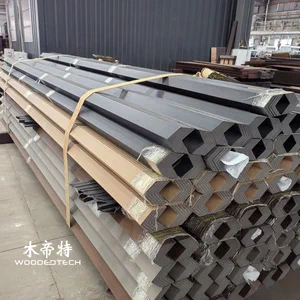 Exterior Wood Plastic Composite Wall Cladding Panels for Modern Facades
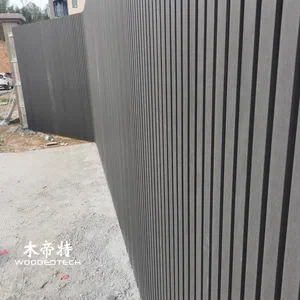 Contemporary Grey WPC Panel for Exterior & Interior Wall Cladding
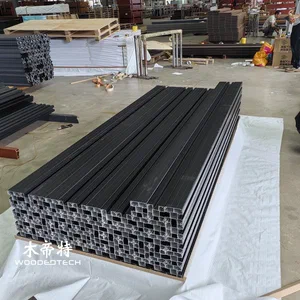 Wood Plastic Composite Wall Solutions: Benefits, Applications, and Industry Trends
Related Products
 B14011 WPC Paneling Sheets Feature Double Flat Surfaces with Heat Pressed Wood Grain Designs for Outdoor Styles
 B7112 WPC Panel Design Exterior Boards Offer Stocked Fence Strips for Outdoor Decoration and Edge Finishing
 WPC Decking Accessories Provide Complete Installation Components for Professional Outdoor Flooring Projects