
wood composite decking cost depends on product design material quality and project specifications
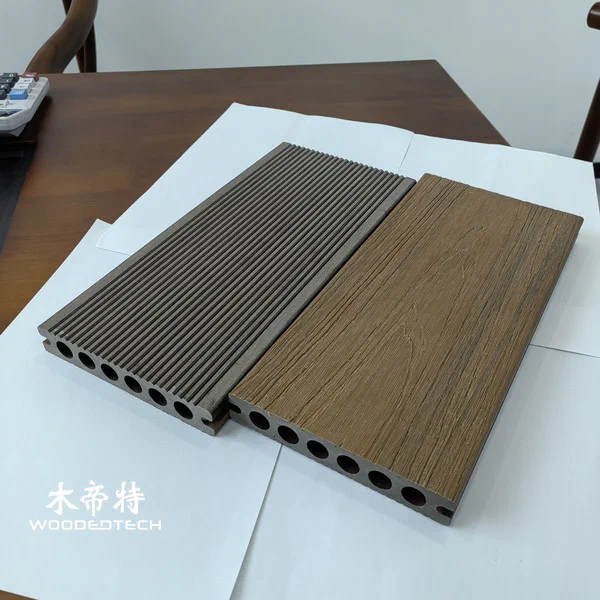
Wood composite decking cost depends on product design, material quality, and project specifications, especially when comparing it with natural wood, traditional timber, aluminum, and other exterior materials. For buyers planning a deck, balcony, or facade, the real question is not just the purchase price but how long the material will last, how much care it needs, and what it costs over its full service life.
Why WPC pricing varies so much
Outdoor WPC is not a single product category. Entry-level boards, capped boards, co-extrusion profiles, and premium textured surfaces can differ widely in resin content, fiber ratio, finish quality, and dimensional stability. These design choices affect appearance, slip resistance, fading resistance, and installation efficiency, all of which influence the final quote.
Project specifications matter just as much. A simple residential patio with standard spans costs less than a commercial rooftop deck with high foot traffic, strict fire requirements, custom framing, or special clips and edge trims. Freight, substructure, labor rates, and local climate conditions also change the budget.
WPC versus natural wood and traditional timber
Natural wood often looks warmer at first and can be cheaper to buy upfront, but it needs regular staining, sealing, sanding, and replacement of damaged boards. In humid, rainy, or coastal environments, timber is vulnerable to rot, cracking, warping, and insect attack, which raises maintenance costs over time.
WPC offers better weather resistance and more stable performance in many exterior applications. It does not need painting or oiling, and it is less likely to split or swell. The trade-off is that lower-grade WPC can feel less authentic than timber, and cheaper boards may fade or stain if the material mix is weak.

WPC versus aluminum and other exterior materials
Aluminum is strong, lightweight, and highly durable, making it a good choice for framing, railings, and screen systems. For walking surfaces, however, it can feel hot in direct sun and usually costs more when the full system includes specialized profiles and installation. It also has a more industrial look than wood-based materials.
Concrete, stone, and tile can last a long time, but they are heavier, colder underfoot, and often more expensive to install. They can also require waterproofing, joint repair, or crack management. Compared with these materials, WPC sits in the middle: more comfortable and warmer than metal or concrete, but easier to maintain than natural wood.
Maintenance and lifecycle cost
A good WPC deck usually needs only routine washing. That lowers ongoing labor and chemical costs, which is why the lifecycle cost can be lower than timber even when the initial price is higher. Premium capped products typically deliver the best long-term value because they resist stains, moisture, and surface wear better.
When evaluating cost, consider:
- board grade and surface treatment
- hidden fasteners and accessories
- substructure material
- labor and site preparation
- replacement cycle over 10–20 years
FAQ
Q: Is WPC always cheaper than wood? A: Not at the purchase stage. Premium WPC may cost more than many timber options, but lower maintenance and longer service life can make it cheaper over time.
Q: What affects wood composite decking cost the most? A: Surface design, capped or uncapped structure, resin quality, board thickness, and the complexity of the project all have a major impact.
Q: Which exterior material has the lowest lifecycle cost? A: It depends on the application, but for decks and outdoor walkways, quality WPC often performs better than timber because it avoids frequent refinishing and early replacement.
Related Articles
 composite decking clearance provides affordable options for outdoor renovation projects
 composite decking framework provides a stable foundation system for outdoor deck installation
 core decking wpc provides a stable outdoor flooring solution with reliable composite performance
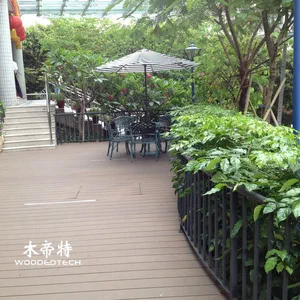 labor cost to install composite decking varies based on project size design and installation conditions
Related Products
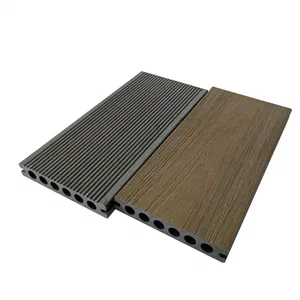 GD14023 Composite Decking Versus Wood Decking Features a Round Hole Structure with Semi Capped Co Extrusion
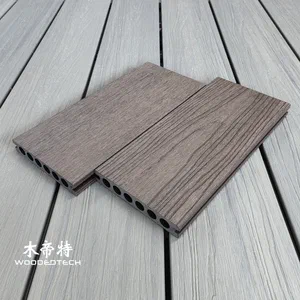 3DGD13823 Second Generation 3D Embossed Rosewood Composite Balcony Decking Delivers Ultra Realistic Wood Grain Texture and a Premium Natural Wood Experience
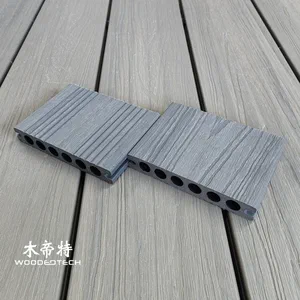 GD13823-3 Light Grey Premium Co Extrusion WPC Composite Decking Offers LG Texture and Excellent UV Resistance for Outdoor Spaces