
Will An Outdoor Rug Damage A Composite Deck And How To Protect Your Outdoor Flooring

Worked for a second
An outdoor rug will not usually damage a composite deck when it is selected and used correctly, but the wrong rug or poor drainage can trap moisture, dirt, and heat against the decking surface. Architects and landscape designers therefore consider rug construction, ventilation, drainage, UV exposure, and the deck’s material properties when designing low-maintenance outdoor spaces.

How Outdoor Rugs Affect Composite Decking
The main concern is not the rug itself but what happens underneath it. Non-breathable rubber or latex-backed rugs can restrict airflow and hold moisture against the surface, particularly after rain or cleaning. Over time, trapped moisture and debris may contribute to staining, mildew, discoloration, or difficult-to-remove marks. Dark-colored rugs can also absorb substantial solar heat, potentially creating localized temperature differences on exposed decking.
For commercial landscapes, hospitality terraces, balconies, and residential patios, designers generally favor outdoor rugs made from breathable synthetic fibers with open or woven constructions. Avoid rugs with adhesive backing or materials that may transfer color or chemicals to the deck. Periodically lifting the rug allows the deck to dry and makes it easier to remove sand, leaves, and other debris.
Selecting and Protecting Outdoor WPC Flooring
Material selection should begin with the project environment rather than appearance alone. A quality composite deck should provide resistance to moisture, UV exposure, staining, and everyday wear. Fully capped composite decking is often a practical choice for areas where outdoor furniture, rugs, planters, and frequent foot traffic are expected because its protective outer layer helps shield the underlying composite material.
Landscape professionals should also review drainage and installation details. Maintain adequate gaps between decking boards, keep drainage paths clear, and avoid placing rugs over areas where water naturally collects. For balconies or covered terraces, exterior WPC flooring can provide a wood-like appearance while reducing the routine maintenance associated with traditional timber.
Practical Design Considerations
When specifying composite decking for a project, architects and landscape designers should evaluate:
- Expected rainfall, humidity, sunlight, and temperature changes
- Drainage and ventilation beneath and around the decking
- Rug size, backing material, color, and fiber construction
- Slip resistance for wet areas and poolside applications
- Surface texture, stain resistance, and cleaning requirements
- Expansion allowances and installation requirements
- Warranty conditions covering rugs, mats, furniture, or prolonged surface coverage
A well-designed outdoor floor should remain accessible for inspection and cleaning. Rugs should be lifted and cleaned regularly, while the composite surface beneath should be washed according to the manufacturer’s maintenance recommendations. These simple measures help preserve appearance without sacrificing the decorative benefits of an outdoor rug.
FAQ
Q: Can I put a rubber-backed rug on a composite deck? A: It is better to avoid rubber or latex-backed rugs unless the decking manufacturer specifically approves them. Breathable outdoor rugs are generally a safer choice.
Q: Can an outdoor rug cause composite decking to discolor? A: It can contribute to uneven appearance by trapping moisture, dirt, or heat, especially under prolonged exposure. Periodic removal and cleaning help minimize this risk.
Q: What composite decking is best for areas with outdoor rugs? A: Fully capped composite decking is a strong option because its protective surface provides added resistance to moisture, staining, UV exposure, and everyday outdoor use.
Related Articles
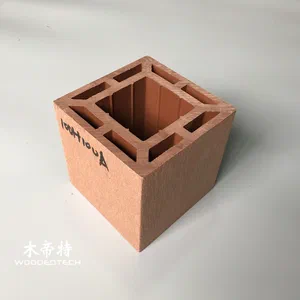 Wood plastic flooring provides a natural wood look with durable performance for outdoor environments
 Elevated Composite Deck Provides a Stable Outdoor Flooring Solution for Modern Garden Spaces
 wpc composite decking malaysia provides weather resistant outdoor flooring solutions for tropical environments
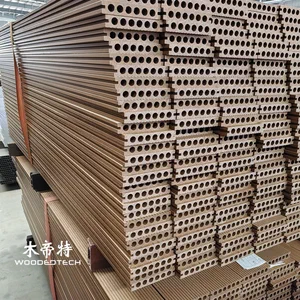 Durable Composite Deck for Concrete Surfaces and Patio Underlays
Related Products
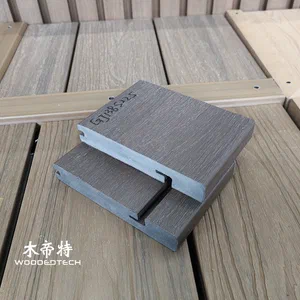 GD13822.5S Fully Capped Solid Starter Wood Polymer Composite Decking Provides a Stable Starting Structure for the First Decking Board
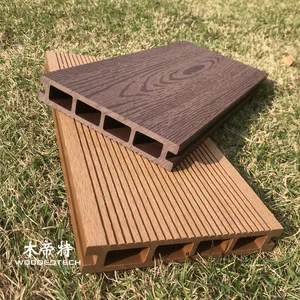 D14025-4 Composite for Decking Provides Stable Performance and Reliable Quality as a Popular Choice for Outdoor Projects
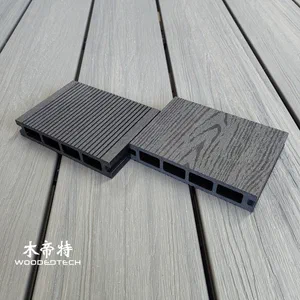 D14025-4 WPC Decking Boards Feature a Flat Wood Grain Surface with Black Ebony Heartwood Ring Grain for Outdoor Applications