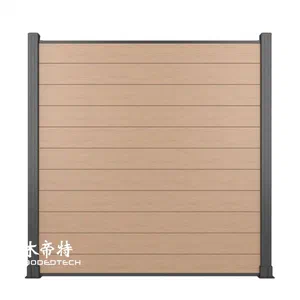
Why Fluted Wpc Panel
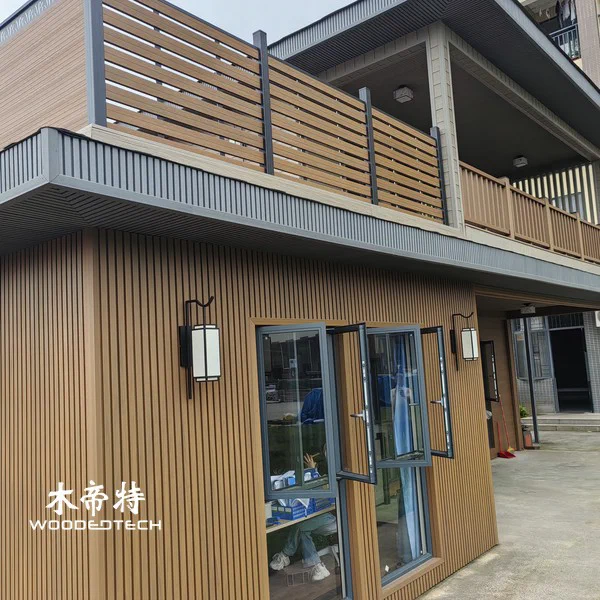
I’ll draft the article directly in the required format, keeping it B2B-focused and SEO-friendly, with a natural opening and FAQ near the end.Fluted WPC panel is a practical wall and ceiling finish for commercial projects that need a clean look, stable performance, and easier maintenance. For buyers, contractors, and project specifiers, it combines the appearance of wood grain with the durability benefits of a composite material.
Why Fluted WPC Panel Matters in Commercial Projects
Fluted WPC panel has become a popular choice in industrial and B2B environments because it solves several common problems at once. Traditional wood can warp, crack, or require frequent refinishing. Painted gypsum or MDF surfaces may look good at first, but they are often less resistant to moisture, impact, and long-term wear.
WPC stands for wood plastic composite. It is typically made from wood fiber or wood flour blended with polymer materials and additives. The fluted profile gives the surface a linear, architectural rhythm that works well in offices, retail spaces, hospitality interiors, showrooms, and public areas. For projects that need visual consistency across large surfaces, this format offers both design flexibility and functional reliability.
For procurement teams, the main appeal is simple: fluted WPC panel delivers a premium look with lower maintenance demands and more predictable performance over time.
What Makes Fluted WPC Panel Different
The value of fluted WPC panel comes from the combination of material structure and surface design. Instead of using solid wood or a fragile decorative finish, the panel is engineered for stability and repeatability.
Key characteristics usually include:
- Moisture resistance for interior environments with variable humidity
- Better dimensional stability than natural wood in many applications
- Resistance to termites and common surface degradation issues
- Easy cleaning with standard maintenance routines
- A consistent fluted appearance for modern architectural design
- Compatibility with fast installation methods in commercial interiors
This makes it particularly attractive for projects where downtime matters. In hotels, office towers, commercial corridors, and retail chains, material consistency and installation speed can have a direct impact on project delivery.

Why Buyers Choose It Over Traditional Materials
When comparing wall cladding options, industrial and commercial buyers usually evaluate cost, durability, installation efficiency, and lifecycle value. Fluted WPC panel performs well in each area.
1. Lower maintenance burden
Wood surfaces often need sealing, polishing, or repainting. Fluted WPC panel generally requires less ongoing maintenance, which helps reduce operating costs for facility managers and property owners.
2. Better moisture tolerance
In many indoor environments, humidity changes are unavoidable. WPC is better suited to these conditions than materials that swell or deform easily. That matters in lobbies, corridors, and other high-traffic areas where appearance must stay consistent.
3. More uniform quality
Natural wood varies from board to board. WPC panels are manufactured to be more uniform in color, profile, and finish. For large commercial projects, that consistency supports a cleaner, more professional result.
4. Easier procurement planning
For project buyers, predictable supply and standardized dimensions reduce headaches during installation. Fluted WPC panel is often easier to specify in repeatable formats, especially for chain projects or phased rollouts.
5. Strong visual value
The fluted texture adds depth without requiring expensive custom joinery. It creates a premium architectural effect that suits modern commercial interiors, especially where brand image matters.
Common Applications in B2B Projects
Fluted WPC panel is flexible enough to support a wide range of commercial uses. It is especially useful where both aesthetics and practical performance matter.
Typical applications include:
- Office feature walls and reception areas
- Hotel corridors, lobbies, and guest-facing interiors
- Retail stores and branded display zones
- Conference rooms and meeting spaces
- Restaurant interiors and hospitality venues
- Commercial building entrances and public corridors
- Apartment common areas and model rooms
It is also used in projects where designers want a warm, wood-like effect without the upkeep of real timber. In these spaces, the panel helps create a more polished environment while supporting efficient project execution.
What To Check Before Buying
Not all fluted WPC panel products are the same. For B2B buyers, evaluating the right technical details is essential before placing an order.
Pay attention to:
- Material composition and core quality
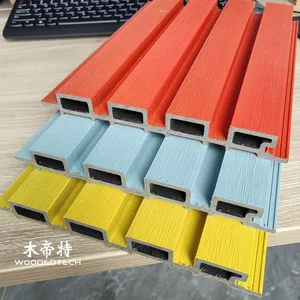
- Surface finish options and color stability
- Panel thickness and profile consistency
- Fire rating requirements for the project
- UV resistance if used in semi-exposed locations
- Installation method and accessory compatibility
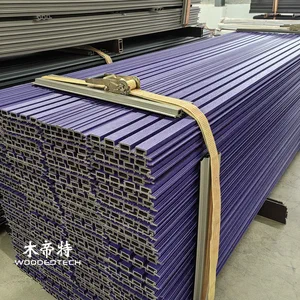
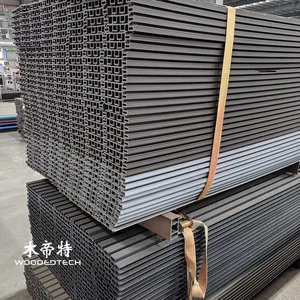
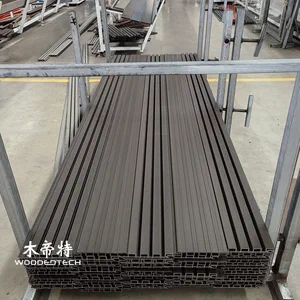
- Packaging quality for export or long-distance transport
You should also ask about production capacity, lead time, and quality control standards. For large orders, stable supply matters as much as product appearance. A supplier should be able to provide samples, technical data sheets, and clear information about tolerances and installation recommendations.
If the project is export-oriented, confirm the packaging method and shipping protection. Fluted profiles can be vulnerable to edge damage if packaging is poor, especially on long international routes.
Installation and Project Efficiency
One reason fluted WPC panel is attractive to contractors is the possibility of faster installation compared with traditional joinery or painted decorative systems. Depending on the product design, panels may be installed using clips, adhesive, screws, or a combination of methods.
This can help reduce labor time on site, particularly for repetitive wall applications. In commercial fit-outs, that matters because schedule delays can affect handover dates, leasing timelines, and project budgets.
The installer should still follow proper spacing, substrate preparation, and acclimation procedures. Even a stable composite panel performs best when the base surface is level and the installation method matches the panel specification. For larger projects, a small trial area is often a smart way to confirm finish quality and installation workflow before full rollout.
Why It Fits Modern Industrial and Commercial Branding
Today’s commercial interiors often serve more than one purpose. They need to look refined, reflect brand identity, and withstand regular use. Fluted WPC panel fits this requirement well because it combines texture, order, and durability in a single material system.
The linear grooves create shadow and depth, which makes a space feel more structured and visually engaging. That is useful in corporate interiors, hospitality spaces, and retail environments where the wall finish contributes to the overall brand experience.
For companies planning multiple locations, this is especially valuable. A repeatable finish helps maintain visual consistency across different sites while simplifying procurement and installation. That consistency is one reason many B2B buyers now include fluted WPC panel in standard interior specifications.
How To Evaluate Supplier Value
For foreign trade buyers, price alone does not tell the full story. A good purchasing decision balances product quality, delivery reliability, and after-sales support.
When comparing suppliers, ask whether they can provide:
- Stable production for bulk orders
- Custom colors or surface textures if needed
- Export-grade packaging
- Technical support for installation teams
- Test reports or compliance documents where required
- Flexible OEM or private-label options for distributors
A supplier that understands project-based business can reduce risk during sourcing. That is especially important when the material is being used in hotels, office fit-outs, or chain retail projects where deadlines are fixed and consistency is critical.
FAQ
Q: What is fluted WPC panel used for? A: It is mainly used for wall and ceiling cladding in commercial interiors such as offices, hotels, retail stores, and public spaces.
Q: Is fluted WPC panel better than wood? A: For many commercial projects, yes, because it offers better moisture resistance, lower maintenance, and more consistent appearance than natural wood.
Q: Can fluted WPC panel be used in high-traffic areas? A: Yes. It is commonly selected for lobbies, corridors, and other areas where durability and easy cleaning are important.
Q: Does fluted WPC panel need special maintenance? A: Usually no. Regular dusting and light cleaning are often enough, which makes it practical for facilities with limited maintenance budgets.
Q: What should buyers check before ordering in bulk? A: They should confirm material quality, dimensions, finish consistency, fire rating, packaging, and supplier production capacity.