
Wholesale Composite Decking Boards - Long-Lasting Outdoor Timber Alternative
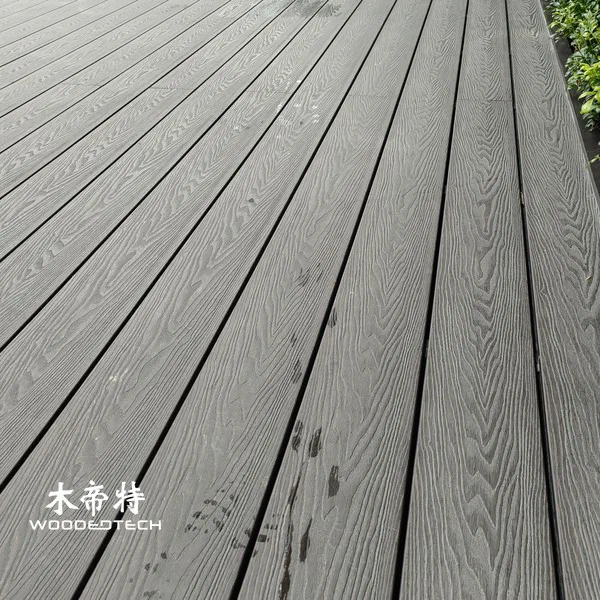
Wholesale composite decking boards give buyers a durable, low-maintenance alternative to timber for commercial outdoor projects, residential developments, and export supply chains. They combine the look of wood with better resistance to moisture, fading, and everyday wear, making them a practical choice for long-term use.

Why Wholesale Composite Decking Boards Are in Demand
For contractors, distributors, and project specifiers, the appeal of wholesale composite decking boards is straightforward: predictable performance, easier maintenance, and consistent supply. Unlike natural timber, composite boards do not require regular staining, sealing, or intensive upkeep to stay serviceable outdoors.
That matters on projects where lifecycle cost is a bigger concern than initial purchase price. Hotels, resorts, apartment terraces, public walkways, rooftop spaces, and retail outdoor areas all benefit from materials that can handle heavy foot traffic and changing weather without frequent replacement.
Composite decking also supports procurement efficiency. Buyers can order in bulk, match batches more consistently, and reduce the risk of quality variation that is common with natural wood. For export customers, this stability is especially valuable when managing large installs across multiple sites.
What Composite Decking Is Made Of
Composite decking is typically manufactured from a blend of wood fibers and polymer materials. The result is a board that retains the visual warmth of timber while improving resistance to common outdoor problems such as rot, splintering, and insect damage.
Depending on the product line, boards may be:

- Hollow or solid core
- Grooved or square edge
- Co-extruded or uncapped
- Embossed with wood-grain textures
- Offered in multiple colors and surface finishes
Co-extruded and capped products usually provide an added protective outer layer. This improves stain resistance and helps the surface maintain its appearance in high-traffic environments. For buyers comparing options, capped composite decking boards are often selected for premium projects where long-term appearance matters.
Key Benefits for B2B Buyers
Wholesale buyers usually evaluate decking on performance, price stability, and ease of installation. Composite boards score well across all three.
Durability is one of the main reasons developers and contractors choose composite materials. The boards are designed for outdoor exposure and perform well in humid, rainy, and coastal environments. They are also less likely to warp, crack, or splinter than many timber alternatives.
Maintenance is another major advantage. Routine cleaning with water and mild detergent is typically enough for general upkeep. That reduces labor costs over the life of the project and makes the material attractive for property managers and facilities teams.
A third benefit is supply flexibility. Many suppliers offer wholesale composite decking boards in standard lengths, custom colors, and matched accessories such as joists, trims, clips, and railings. This simplifies project planning and helps distributors build a broader product package.
Where Composite Decking Works Best
Composite decking is widely used in both public and private outdoor environments. Common applications include:
- Residential balconies and terraces
- Hotel and resort pool decks
- Commercial outdoor seating areas
- Restaurant patios
- Walkways and boardwalk-style surfaces
- Garden and landscape features
- Rooftop leisure spaces
- Mixed-use development common areas
In these settings, decision-makers often want a surface that looks refined but does not create a heavy maintenance burden. Composite boards meet that need while supporting modern design preferences.
For landscape architects and contractors, the material also works well with other outdoor products such as composite railing, pergolas, screens, and cladding. That creates a coordinated visual package across the site.
Product Features Buyers Should Compare
Not all composite decking is the same. Wholesale customers should compare product specifications carefully before placing bulk orders.
Important factors include:
- Surface type: embossed, brushed, grooved, or capped
- Density and profile: solid boards usually feel more rigid, while hollow boards can reduce shipping weight
- Slip resistance: especially important for poolside or rainy environments
- UV stability: helps reduce fading from sunlight
- Color range: natural wood tones, grey, teak, and modern dark shades
- Fire and weather performance: depending on local standards and project requirements
- Installation system: hidden clip systems or traditional fastening methods
For large procurement projects, it is worth asking for samples and technical data sheets. This helps verify consistency in color, texture, dimensions, and performance before committing to container quantities.
Why Wholesale Supply Matters
Wholesale purchasing is not only about lower unit cost. It is also about continuity, predictability, and easier project coordination. A reliable wholesale composite decking supplier can support repeat orders, consistent specifications, and faster lead times for distributors and contractors.
Many B2B buyers also look for factory-direct supply to reduce middleman costs and improve control over customization. Depending on the project, this may include custom lengths, branded packaging, private label options, and coordinated accessories.
For importers and resellers, wholesale composite decking boards can be positioned as a premium but practical outdoor solution. The market is broad: from budget-conscious housing developments to high-end hospitality projects that require stronger aesthetics and longer service life.
Installation and Long-Term Performance
Composite decking is generally easier to install than many buyers expect, especially when paired with compatible framing and fasteners. A properly prepared substructure is essential, as with any decking system. Good airflow, correct spacing, and accurate leveling all contribute to performance.
In commercial work, installers should follow the supplier’s guidance on expansion gaps, fastening patterns, and board orientation. These details help avoid problems related to thermal movement and ensure a cleaner finished result.
Long-term performance depends on using the right profile for the job. High-traffic projects often benefit from solid or capped boards, while lighter-duty applications may be suitable for lighter profiles. Matching the product to the use case helps prevent avoidable maintenance issues later.
Market Positioning for Distributors and Exporters
From a sales perspective, composite decking is easy to position because it solves a common customer problem: how to deliver a wood-like appearance without the maintenance burden of timber. That message resonates in both mature and emerging markets.
Distributors can build demand around several practical selling points:
- Lower maintenance than natural wood
- Stable quality across bulk orders
- Suitable for a wide range of outdoor applications
- Attractive visual finish for modern projects
- Strong value over the product lifecycle
For export businesses, composite decking also fits well into broader outdoor building product portfolios. It can be sold alongside cladding, fencing, pergolas, and railing systems to increase average order value and create a more complete outdoor materials offering.
FAQ
Q: What are wholesale composite decking boards used for? A: They are used for outdoor floors in residential, commercial, and hospitality projects where durability and low maintenance are important.
Q: Is composite decking better than timber for outdoor use? A: For many projects, yes. Composite decking is generally more resistant to moisture, splintering, and decay, while requiring less upkeep than timber.
Q: Are capped composite decking boards worth choosing? A: They are often worth it for higher-traffic or premium projects because the capped surface offers better stain resistance and longer-lasting appearance.
Q: Can composite decking be installed in commercial projects? A: Yes. It is widely used in commercial settings such as hotels, restaurants, rooftop terraces, and public walkways.
Q: What should wholesale buyers check before ordering? A: Buyers should review board profile, surface finish, slip resistance, color consistency, installation system, and technical specifications.
Related Articles
 High-Quality WPC Decking UK Standard - Weatherproof Composite Decking Supplier
 Capped vs Uncapped Composite Decking: Ultimate Buying Guide for B2B Importers
 Premium Plastic Wood Decking Pretoria - High-Quality Supplier & Installation
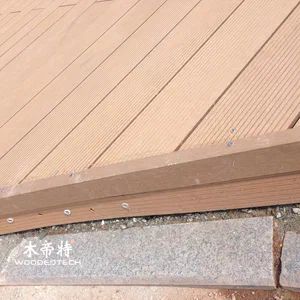 Solid Composite Decking Boards with Superior Load-Bearing Capacity | Factory Direct
Related Products
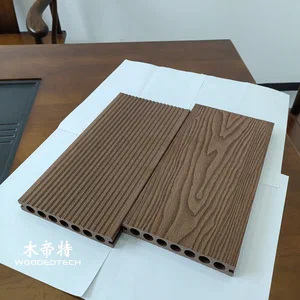 3D15023 First Generation 3D Embossed Composite Deck Boards With Stable Quality And High Performance For Premium Outdoor Projects
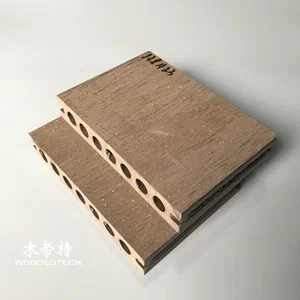 D13823 Round Hole Double Sided Flat WPC Bamboo Decking Boards With Strong Quality And Various Wood Grain Surface Treatments
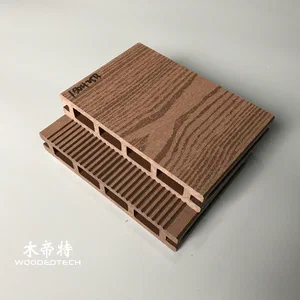 D15025-2 Classic Waterproof Insect Resistant Corrosion Resistant And Termite Resistant Composite Decking Types With Twenty Years Of Sales Experience