
Which Fluted Wpc Panel
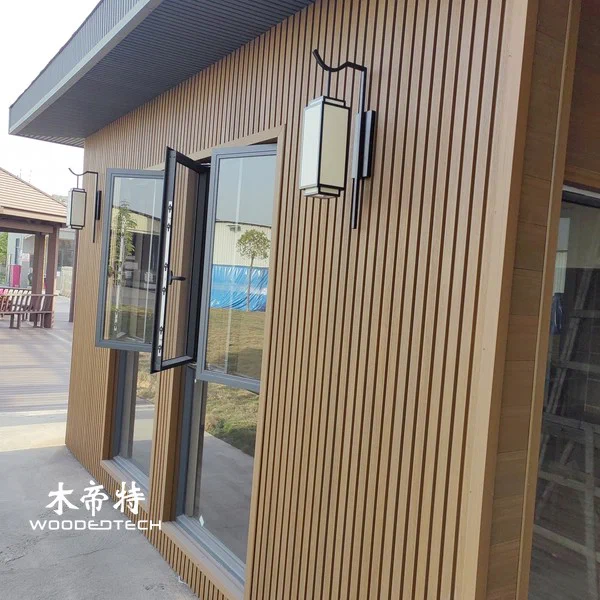
Fluted WPC panels are a practical choice for projects that need the look of wood, the durability of composite materials, and easier maintenance over time. For B2B buyers, the key question is not whether fluted WPC panels work, but which fluted WPC panel is the right fit for your application, budget, and installation requirements.
What Fluted WPC Panels Are
Fluted WPC panels are decorative wall or ceiling panels made from wood-plastic composite. They usually feature a grooved, ribbed, or slatted surface that adds texture and depth to interior and exterior spaces. The composite material combines wood fiber and polymer, giving the panel a balance of visual warmth and practical performance.
Compared with solid wood, fluted WPC panels are generally more resistant to moisture, cracking, and warping. Compared with basic PVC panels, they often deliver a more premium appearance and better rigidity. That makes them especially attractive for commercial interiors, retail spaces, hospitality projects, office fit-outs, and residential developments where durability and design consistency matter.

Which Fluted WPC Panel Should You Choose?
The best choice depends on where the panel will be used and what your project priorities are. There is no single “best” fluted WPC panel for every situation. Buyers should evaluate the product based on performance, appearance, installation method, and supply stability.
1. Choose by application
Different projects call for different panel structures.
- Interior wall decoration: look for lighter panels with refined surface finishes and stable dimensions.
- Ceiling applications: prioritize lightweight products that reduce installation load.
- Moisture-prone areas: choose panels with strong water resistance and low absorption.
- Commercial high-traffic spaces: select harder, more impact-resistant panels with durable coatings.
- Exterior or semi-exterior use: confirm UV resistance, weather resistance, and temperature stability.
2. Choose by panel construction
Fluted WPC panels are not all made the same way. Construction affects appearance, performance, and cost.
- Solid-core panels usually offer stronger rigidity and a more premium feel.
- Hollow or lightweight panels can lower transport costs and simplify installation.
- Co-extruded panels often provide better surface protection and improved stain resistance.
- Standard extruded panels may be more economical for large-volume interior projects.
If your project demands long service life and minimal maintenance, a co-extruded or upgraded surface version is often worth considering. For budget-sensitive interior decoration, standard panels may be sufficient if the supplier maintains consistent quality.
3. Choose by surface finish
The surface affects how the project looks and how well it ages.
Common finish options include:
- Wood grain textures for a natural appearance
- Matte finishes for modern commercial interiors
- Deep flute profiles for stronger visual rhythm
- Painted or color-stable finishes for design coordination
- Laminated or coated surfaces for added protection
For B2B buyers, consistency across batches is critical. A small color shift may be acceptable in a residential project, but it can become a major issue in hotels, retail chains, or branded commercial spaces. Always confirm color control and sample approval before placing bulk orders.
4. Choose by size and profile
Panel dimensions influence installation speed, waste rate, and the final visual result. Wider panels can reduce joint lines and speed up installation on large walls. Narrower profiles may create a more detailed aesthetic and work better in smaller or segmented spaces.
You should also check:
- Panel thickness
- Flute depth
- Width of each rib or groove
- Edge locking or joining system
- Compatibility with accessories and trims
A panel with attractive design but poor edge consistency can create alignment problems during installation. For contractors and distributors, that can mean higher labor costs and customer complaints.
Key Buying Factors for B2B Projects
When sourcing fluted WPC panels for wholesale or project supply, product specification matters as much as appearance. Buyers should evaluate the following factors carefully.
Material performance
Look for panels with stable formulations that can handle humidity, temperature changes, and long-term use. Inconsistent raw materials can lead to bending, fading, or cracking after installation. If the project is in a coastal or tropical market, moisture resistance becomes even more important.
Fire performance
For many commercial buildings, fire rating is a major purchasing criterion. Ask for relevant test reports and confirm whether the product meets local building code requirements. Never assume that a decorative panel is suitable for all interior applications without documentation.
Environmental compliance
International buyers often need products that support project certification or import requirements. Depending on the market, this may include low formaldehyde emissions, REACH compliance, or other environmental standards. Reliable suppliers should provide test reports and material declarations when requested.
Installation efficiency
A good panel should not only look attractive but also install smoothly. Time is money on commercial projects. Panels that are difficult to cut, align, or fasten can slow down the job and increase labor costs. Ask whether the product supports clip systems, adhesive installation, or screw fixing, depending on your project needs.
Supply consistency
For distributors, importers, and project contractors, supply continuity is essential. Check whether the manufacturer can maintain the same profile, color, and finish across repeated orders. It is also wise to confirm lead times, packing standards, and spare production capacity before committing to a large project.
Where Fluted WPC Panels Work Best
Fluted WPC panels are widely used in commercial and institutional spaces because they combine visual appeal with practical performance.
Typical applications include:
- Hotel lobbies and guest corridors
- Office reception walls and meeting areas
- Retail displays and brand feature walls
- Restaurant interiors and café decor
- Residential accent walls and ceiling designs
- Exhibition booths and temporary commercial builds
- Public spaces where a modern, low-maintenance finish is needed
In each of these settings, buyers usually want a product that looks premium but does not require heavy maintenance. That is where fluted WPC panels stand out.
How to Compare Suppliers
If you are sourcing fluted WPC panels for export, retail, or project supply, the supplier matters as much as the product itself. A low price can become expensive if the supplier cannot keep quality stable.
Compare suppliers on these points:
- Production experience in WPC or decorative wall panels
- Ability to provide samples and technical data
- Quality control process for color, dimensions, and surface finish
- Packaging methods that reduce shipping damage
- Export experience and documentation support
- Customization options for size, color, or branding
- After-sales communication and replacement policy
A dependable supplier should be able to discuss raw materials, production methods, performance reports, and installation guidance without hesitation. If the response is vague, that is a warning sign.
Common Mistakes Buyers Make
Many buyers focus only on appearance and price. That often leads to problems later.
Avoid these mistakes:
- Choosing a panel without checking installation compatibility
- Ignoring fire rating or compliance requirements
- Buying samples that do not match bulk production quality
- Overlooking packaging and transport protection
- Selecting a finish that looks good in the sample but shows marks easily in real use
- Failing to confirm batch-to-batch color stability
For project-based purchasing, these details can determine whether the product performs well after delivery or creates expensive rework.
Which Fluted WPC Panel Is the Right One?
The right fluted WPC panel is the one that matches the project environment, installation method, and expected service life. For high-end commercial interiors, a stable, well-finished co-extruded panel is often the safest option. For large-scale budget projects, a standard profile with reliable dimensions and decent surface quality may be more practical.
If your priority is easy installation, choose a panel with consistent sizing and a simple fixing system. If your priority is premium presentation, focus on finish quality, flute depth, and color consistency. If the project is exposed to moisture or heavy use, put performance and compliance ahead of price.
A careful comparison at the sourcing stage helps avoid downstream problems in installation, maintenance, and customer satisfaction.
FAQ
Q: What is the main advantage of fluted WPC panels? A: They combine a decorative wood-like appearance with moisture resistance, durability, and lower maintenance than natural wood.
Q: Are fluted WPC panels suitable for commercial projects? A: Yes, they are widely used in offices, hotels, retail stores, restaurants, and other commercial interiors.
Q: Can fluted WPC panels be used outdoors? A: Some can, but outdoor use requires confirmed UV resistance, weather resistance, and suitable installation details.
Q: How do I choose a reliable fluted WPC panel supplier? A: Check product consistency, technical documentation, packaging quality, export experience, and the supplier’s ability to support repeat orders.
Q: Do fluted WPC panels need special maintenance? A: They usually require only simple cleaning, which makes them practical for busy commercial environments.
Related Articles
Related Products
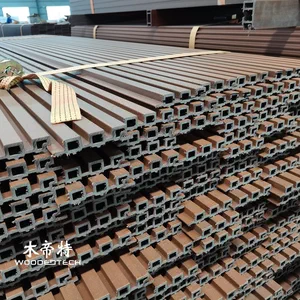
 B7112 WPC Panel Design Exterior Boards Offer Stocked Fence Strips for Outdoor Decoration and Edge Finishing
 GQ21728wpc fluted wall panel with trapezoid large Great Wall design provides impressive exterior architectural style
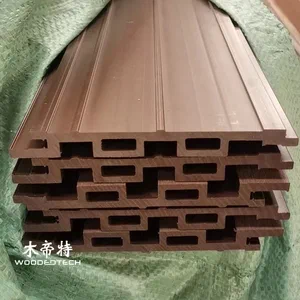 Q18620 Classic WPC Fluted Wall Panel for Stylish Exterior Wall Decoration Projects