Where Fluted Wpc Panel
Fluted WPC panels are used wherever projects need a clean architectural finish, stable performance, and lower maintenance than natural wood. They are common in commercial interiors, hospitality spaces, retail environments, and exterior façades that need a decorative surface with better durability.
What a Fluted WPC Panel Is
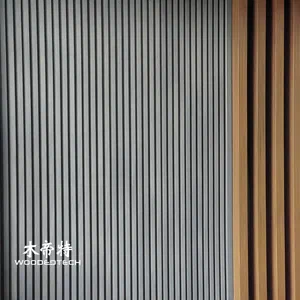
A fluted WPC panel is a decorative wall or ceiling panel made from wood plastic composite. Its surface features evenly spaced vertical grooves that create a ribbed, linear appearance. The design adds depth and texture while maintaining a modern, uniform look that fits both contemporary and traditional building styles.
WPC stands for wood plastic composite, a material made from wood fiber, plastic polymers, and performance additives. This combination gives the panel the visual warmth of wood with improved resistance to moisture, warping, and surface wear. For B2B buyers, that means a material that is easier to specify, install, and maintain across large projects.
Where Fluted WPC Panels Are Commonly Used
Fluted WPC panel applications are broad because the product balances aesthetics and function. Buyers usually choose them for projects where the visual effect matters, but so does long-term performance.
1. Commercial interiors

2. Hospitality projects
Hotels, resorts, restaurants, and serviced apartments use fluted WPC panels for wall cladding, corridors, headboards, and lounge areas. In these spaces, the surface needs to look refined while handling frequent cleaning and daily guest traffic. The material is attractive for hospitality procurement because it supports a high-end appearance without the maintenance burden of real timber.
3. Retail and showroom spaces
Retailers use fluted panels for display backdrops, product walls, and decorative partitions. The linear design helps create depth and focus, which can improve presentation quality. For chain stores and franchise projects, WPC panels are especially useful because they help maintain a consistent brand image across locations.
4. Residential multi-unit developments
Although this article focuses on industrial and commercial buyers, fluted WPC panels are also widely used in apartment common areas, corridors, and amenity spaces. Developers appreciate materials that offer a contemporary look while helping reduce future repair and replacement costs.
5. Exterior façades and semi-outdoor areas
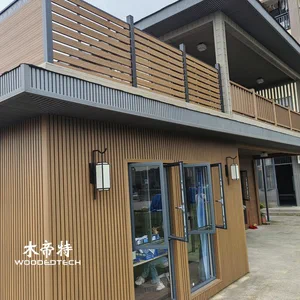
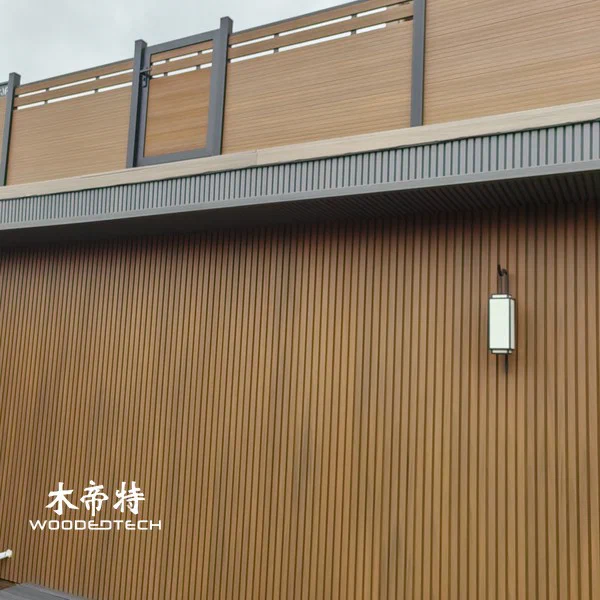
Certain fluted WPC panels are designed for sheltered exterior use, such as balcony walls, porch ceilings, entrance features, and façade accents. Their resistance to moisture and weather-related movement makes them suitable for many applications where traditional wood would need more frequent treatment. Product selection matters here, since not every WPC panel is intended for full outdoor exposure.
Why Buyers Choose Fluted WPC Panels
For purchasing teams, architects, and contractors, the decision is usually based on total project value rather than appearance alone. Fluted WPC panels are chosen because they combine several practical advantages.
Durable and low maintenance
Unlike natural wood, WPC does not require routine sealing, painting, or polishing in most applications. It is easier to clean and generally holds up well in busy environments. That makes it a good fit for facilities management teams looking to reduce upkeep over time.
Moisture resistant
WPC performs better than wood in humid or damp conditions. This is important for hotels, restaurants, washroom-adjacent spaces, indoor pool areas, and coastal projects. While the exact performance depends on product quality and installation details, moisture resistance is one of the main reasons buyers move to WPC.
Consistent appearance
Natural wood has variations in grain, tone, and texture. That can be attractive, but it also creates challenges in large commercial projects where consistency matters. Fluted WPC panels provide more uniform color and surface quality, which helps with planning, matching, and phased installation.
Easier project coordination
Because the panels are manufactured to consistent dimensions, they are easier to work into modular design systems. This helps contractors estimate quantities, plan logistics, and reduce installation surprises. For procurement teams handling repeat projects, predictable supply is a major advantage.
Better cost control over the project lifecycle
The initial material cost is only part of the equation. When lower maintenance, fewer replacements, and easier cleaning are included, fluted WPC panels can offer strong lifecycle value. That is especially relevant for large commercial spaces where downtime and repair costs matter.
Key Specifications Buyers Should Review
Not all fluted WPC panels are the same. Before placing an order, buyers should confirm the technical details that affect performance and compatibility.
- Panel size and thickness
- Groove depth and spacing
- Surface finish and color options
- Indoor or outdoor suitability
- Fire performance requirements
- UV resistance for exposed locations
- Moisture resistance and water absorption
- Installation method and accessory system
- Whether the product is capped, coated, or standard WPC
- Certifications required for the target market
For international trade and project supply, it is important to ask for product data sheets, test reports, and installation guidance before confirming a shipment. This helps avoid mismatches between design intent and on-site conditions.
How Fluted WPC Panels Are Installed
Installation methods vary by supplier and project specification, but fluted WPC panels are usually fixed to a prepared substrate or framing system. In interior applications, this may involve battens, adhesive, clips, or screws depending on the panel design. Exterior use typically requires more attention to ventilation, expansion allowance, and substrate preparation.
Good installation practice helps protect the panel and improve the final look. Contractors should check alignment carefully, keep joints consistent, and follow the manufacturer’s recommended spacing rules. For large commercial projects, installation speed and repeatability are often as important as the decorative result.
What to Ask a Supplier
When sourcing fluted WPC panels for a project, the supplier conversation should go beyond catalog images. Industrial buyers need clear answers on performance, lead time, and supply reliability.
Ask these questions:
- Is the panel intended for interior, semi-outdoor, or exterior use?
- What are the exact dimensions and tolerances?
- What raw materials are used in the composite?
- Are fire, UV, and weathering test reports available?
- What is the recommended installation method?
- Can the supplier support custom colors or finishes?
- What is the minimum order quantity?
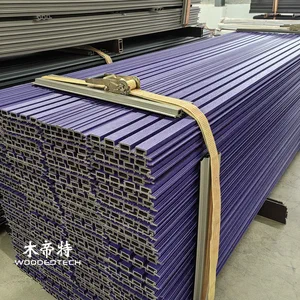
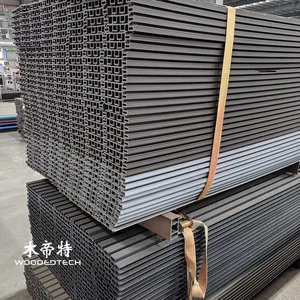
- How is packaging handled for export shipment?
- What is the expected production lead time?
These details help reduce risk and make it easier to compare suppliers on a like-for-like basis.
Ideal Projects for Fluted WPC Panels
Fluted WPC panels are a strong match for projects that need a balance of style, durability, and repeatable supply. They are especially suitable for:
- hotel lobby feature walls
- office reception areas
- retail brand environments
- restaurant interiors
- apartment common areas
- ceiling accents in commercial spaces
- corridor wall protection and decoration
- sheltered exterior façades and balcony ceilings
If the project calls for a refined linear finish with less maintenance than wood, fluted WPC is often a practical choice.
FAQ
Q: What is the main benefit of a fluted WPC panel? A: The main benefit is that it delivers a wood-like decorative finish with better resistance to moisture and lower maintenance.
Q: Can fluted WPC panels be used outdoors? A: Some can, but only if they are specifically designed and tested for exterior or semi-outdoor use.
Q: Are fluted WPC panels suitable for commercial projects? A: Yes. They are widely used in hotels, offices, retail spaces, and other commercial interiors because they are consistent and durable.
Q: Do fluted WPC panels look like real wood? A: They can look very close to wood, especially with textured finishes and natural wood tones, though the exact appearance depends on the supplier.
Q: What should buyers check before ordering? A: Buyers should confirm panel dimensions, fire ratings, moisture resistance, installation method, and export packaging details.