
where can i buy wpc flooring
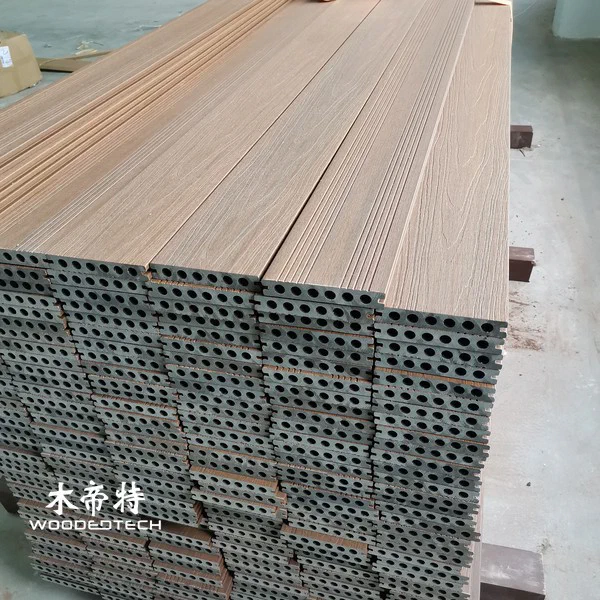
When sourcing WPC (Wood Plastic Composite) flooring for your business, it’s essential to know where to procure high-quality materials at competitive prices. This article explores reliable options, from manufacturers to distributors, helping you make an informed decision about your flooring supply chain.
What Is WPC Flooring?
WPC flooring is a type of engineered vinyl flooring that combines wood fibers and plastic to create a durable, water-resistant, and versatile material. Its unique construction makes it highly popular in commercial and industrial applications, such as retail spaces, offices, and hospitality venues, due to its aesthetic appeal and low maintenance requirements.
WPC flooring typically consists of four layers:
- A wear layer for scratch and stain resistance.
- A printed vinyl layer for design and texture.
- An extruded core made of wood and plastic for strength and stability.
- A backing layer for added support and moisture protection.
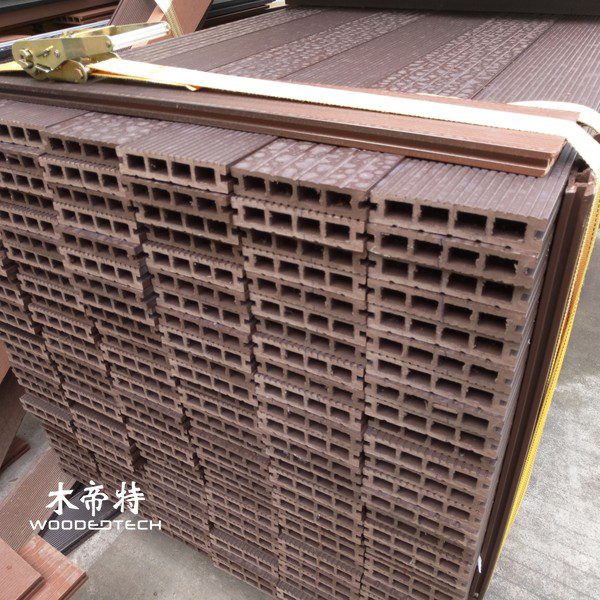

Key Considerations Before Buying WPC Flooring
Before diving into where to purchase WPC flooring, it’s crucial to outline your specific requirements. Here are some factors to consider:
- Application: Determine whether the flooring will be used in high-traffic areas, wet environments, or spaces requiring sound insulation.
- Quality Standards: Verify that the product meets industry certifications for durability, water resistance, and environmental compliance (e.g., ISO, CE, FloorScore).
- Volume: Calculate the total square footage needed and factor in additional stock for future repairs or replacements.
- Budget: Compare upfront costs and long-term value, considering warranties and maintenance requirements.
- Lead Time: Evaluate how quickly suppliers can fulfill your order, especially for custom designs.
By clarifying these criteria, you’ll narrow down the options to suppliers that align with your needs.
Where to Buy WPC Flooring
1. Direct from Manufacturers
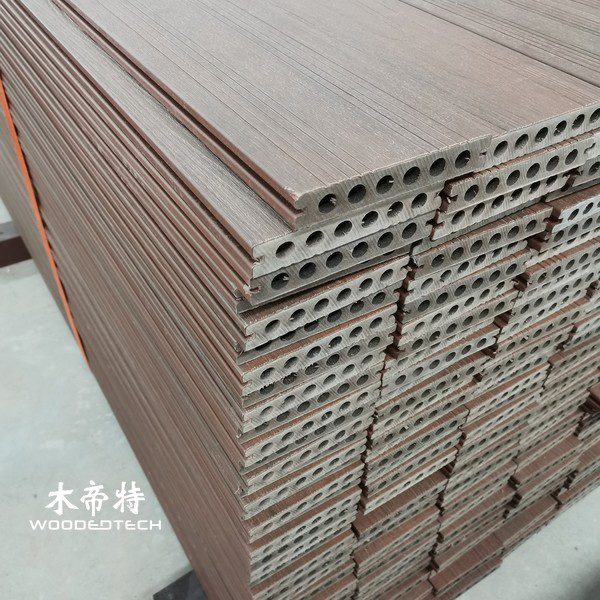
Purchasing directly from manufacturers is often the most cost-effective option, particularly for bulk orders. Many manufacturers specialize in producing WPC flooring for industrial buyers and offer customization options, such as specific colors, patterns, or thicknesses.
Benefits:
- Lower per-unit costs for bulk orders.
- Customization to meet unique specifications.
- Direct communication ensures quality control.
- Minimum order quantities may exceed smaller project needs.
- Longer lead times, especially for international shipments.

2. Wholesalers and Distributors
Wholesalers act as intermediaries between manufacturers and end-users, offering a wide variety of WPC flooring options in manageable quantities. They often have inventory ready for quick shipment, making them an ideal choice for projects with tight deadlines.
Benefits:
- Smaller minimum order requirements.
- Faster delivery due to stocked inventory.
- Access to multiple brands and styles.
Challenges:
- Marginally higher pricing compared to manufacturers.
- Limited customization options.
3. Specialized B2B Marketplaces
Online platforms catering to B2B buyers, such as Alibaba, Made-in-China, and Global Sources, provide access to a vast network of WPC flooring suppliers worldwide. These marketplaces allow you to compare prices, read reviews, and assess certifications, making them a convenient starting point for procurement.
Benefits:
- Wide range of suppliers in a single platform.
- Transparent pricing and supplier reviews.
- Easy to request quotes and samples.
Challenges:
- Quality can vary significantly between suppliers.
- Requires thorough vetting and due diligence.
4. Local Suppliers and Distributors
If your project requires quick delivery or smaller quantities, local suppliers and distributors are often the best option. They tend to have a strong understanding of regional market demands and can provide tailored recommendations.
Benefits:
- Faster delivery and reduced shipping costs.
- Personalized customer service and support.
- Easier to inspect materials before purchase.
Challenges:
- May have limited inventory or fewer customization options.
- Higher price points compared to direct imports.
5. Trade Shows and Industry Events
Attending trade shows or flooring exhibitions offers a unique opportunity to meet suppliers in person, view sample products, and negotiate deals. Events such as Domotex or The International Surface Event (TISE) attract top players in the flooring industry.
Benefits:
- Hands-on evaluation of products.
- Opportunities to network and build partnerships.
- Access to exclusive trade show discounts.
Challenges:
- Time and travel expenses.
- Limited to specific dates and locations.
Tips for Choosing a Reliable Supplier
- Check Certifications: Ensure the supplier complies with industry standards for safety, durability, and environmental responsibility.
- Request Samples: Always test samples to verify quality, texture, and color accuracy before placing a bulk order.
- Read Reviews and Testimonials: Look for feedback from other buyers to gauge the supplier’s reliability.
- Negotiate Terms: Discuss payment terms, shipping methods, and warranties upfront to avoid surprises later.
- Inspect Warehousing Conditions: For local suppliers, visit their facilities to ensure proper storage of WPC flooring.
FAQ
Q: What is the typical lead time for WPC flooring orders? A: Lead times vary depending on the supplier and order size, but they generally range from 2 to 8 weeks for bulk orders.
Q: Can I purchase WPC flooring directly from manufacturers outside my country? A: Yes, many manufacturers offer international shipping. Be sure to check import regulations, shipping costs, and lead times.
Q: Are there specific certifications to look for when buying WPC flooring? A: Look for certifications like ISO, CE, and FloorScore, which indicate compliance with quality, safety, and environmental standards.
Q: How can I verify a supplier’s credibility on B2B marketplaces? A: Check for verified supplier badges, read customer reviews, and request references. You can also ask for product samples and documentation.
Q: Is there a minimum order requirement when buying from manufacturers? A: Most manufacturers have minimum order quantities, which can range from a few pallets to full container loads. Be sure to clarify this upfront.
Related Articles
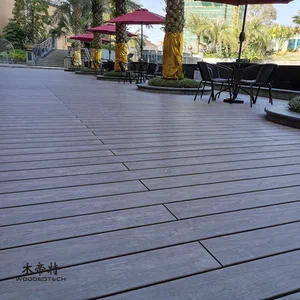
Related Products
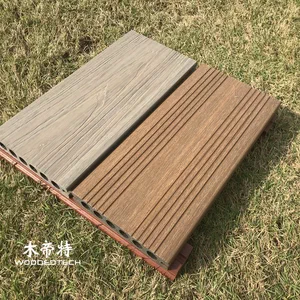 GD13823-3 Second Generation Co Extruded Wood Plastic Composites With High Quality Stable Performance For Premium Outdoor Applications
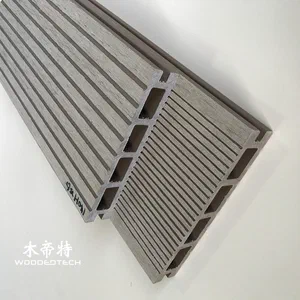 D14025-3 Composite Lumber for Decks Features a Classic Double Sided Groove Design with Excellent Value for Outdoor Projects
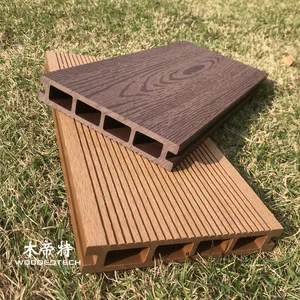 D14025-4 Composite for Decking Provides Stable Performance and Reliable Quality as a Popular Choice for Outdoor Projects