When Fluted Wpc Panel
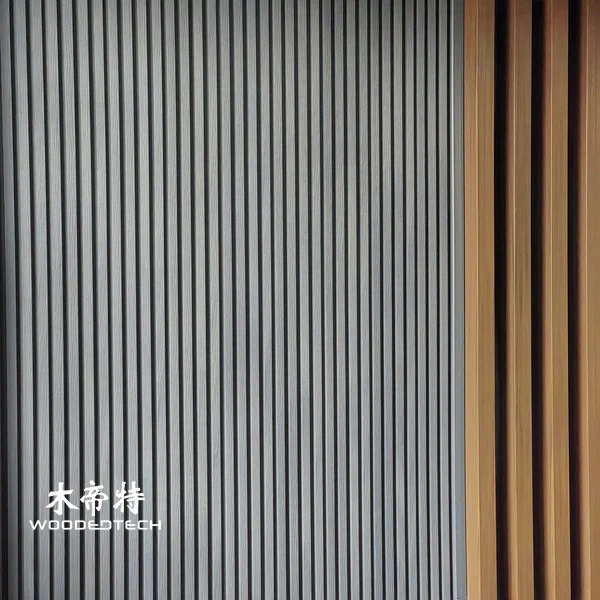
Fluted WPC panel is a practical finish material for commercial interiors and exterior-facing projects where durability, fast installation, and a clean architectural look matter. It combines the visual rhythm of grooved wood with the stability of wood-plastic composite, making it a strong option for contractors, distributors, and project owners.
What a Fluted WPC Panel Is
A fluted WPC panel is a decorative wall or ceiling panel made from wood-plastic composite, typically using wood fiber, polymer resin, and performance additives. The surface features vertical or horizontal grooves that create depth, shadow lines, and a modern linear appearance.
Compared with natural timber, fluted WPC panels are designed to resist common site problems such as moisture absorption, warping, splintering, and inconsistent color. That makes them suitable for projects where appearance must stay consistent over time with less maintenance.
For B2B buyers, the main appeal is not just aesthetics. It is the combination of stable supply, predictable performance, and installation efficiency across large orders.
When Fluted WPC Panel Makes the Most Sense
Fluted WPC panel is most valuable when a project needs a balance of design impact and long-term practicality. It is often the right choice in these situations:
- High-traffic commercial interiors where surfaces need to stay presentable
- Hospitality spaces that require a premium look without the upkeep of real wood
- Retail environments where wall cladding supports brand identity
- Office lobbies, reception areas, and meeting rooms
- Residential developments that need repeatable finishing quality
- Semi-exposed locations where moisture resistance is important
- Renovation projects where faster installation reduces labor cost
If the design brief calls for texture, linear detail, and a warm wood-like appearance, fluted WPC panel is often more efficient than custom millwork or natural wood cladding.
Why Buyers Choose It
There are several reasons why importers, wholesalers, contractors, and project developers specify fluted WPC panel.
1. Strong visual consistency
Natural wood varies from board to board. Fluted WPC panel offers much better consistency in color, grain effect, and profile geometry, which is useful for multi-site projects and chain stores.
2. Lower maintenance
WPC surfaces do not require the same level of sealing, polishing, or repainting as many timber-based finishes. That reduces maintenance cost after installation.
3. Good moisture performance
While product quality varies by manufacturer, WPC generally handles humid conditions better than untreated wood. This is especially relevant for interior cladding in tropical, coastal, or climate-controlled spaces.

4. Easier project planning
Standardized panel dimensions and repeatable profiles make material planning simpler. That is helpful for quantity takeoffs, logistics, and installation scheduling.
5. Better lifecycle value
Even when the upfront material price is higher than basic wall finishes, the overall project cost can be lower when you factor in labor savings, reduced repair work, and longer service life.
Typical Applications
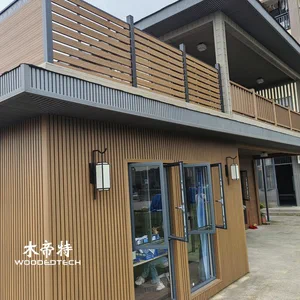
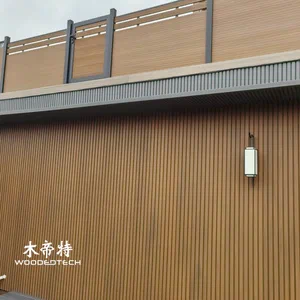
Fluted WPC panel is widely used in commercial and light industrial design projects where appearance and durability both matter.
Common applications include:
- Feature walls in hotels and serviced apartments
- TV backdrops and decorative walls in showrooms
- Reception desks and lobby accents
- Ceiling strips and soffit details
- Office partitions and acoustic-inspired decorative surfaces
- Retail display backgrounds
- Restaurant interiors and café wall finishes
- Residential apartment common areas
In project work, the panel is often used as an accent material rather than full-surface cladding. Its groove pattern helps define zones, create visual height, and add depth without overly busy decoration.
What to Check Before You Specify It
Not all fluted WPC panels are the same. Buyers should review the following points before placing an order.
Material composition
Ask for the basic formula, including wood fiber ratio, polymer type, and additives. This affects density, stability, weather resistance, and cost.
Surface finish
Some panels are designed with a woodgrain look, while others have matte, brushed, or painted surfaces. The right finish depends on the project style and cleaning requirements.
Profile dimensions
Flute width, groove depth, and panel thickness influence both appearance and strength. Deeper grooves create stronger shadow lines, while narrower profiles feel more refined.
Fire performance
For commercial projects, fire rating requirements may apply. Confirm whether the product meets local building codes and whether test reports are available.
UV and color stability
If the panel will be used in bright interiors or semi-exposed areas, confirm how the material performs under long-term light exposure.
Installation method
Check whether the panel uses hidden clips, screws, adhesives, or a combination. Installation details affect labor cost and final appearance.
Batch consistency
For larger orders, ask the supplier how they control color and profile consistency between batches. This is critical for phased projects.
How It Compares With Other Materials
Fluted WPC panel is often compared with MDF, PVC decorative panels, aluminum systems, and natural timber.
- Compared with MDF, WPC usually offers better moisture resistance and better performance in humid conditions.
- Compared with PVC, WPC often provides a more solid feel and a more premium appearance.
- Compared with aluminum, WPC gives a warmer visual effect and is easier to position in residential-style commercial spaces.
- Compared with natural wood, WPC reduces maintenance and variation, though it does not fully replace the tactile character of real timber.
For many B2B buyers, the decision comes down to project purpose. If the job needs premium appearance with controlled cost and easier upkeep, fluted WPC panel is a strong middle ground.
Installation and Handling Notes
Good installation is essential for achieving the intended look. Even a high-quality panel can underperform if the substrate is uneven or the fixing method is wrong.
Important handling points include:
- Store panels flat in a dry area before installation
- Allow materials to acclimate if site conditions differ from warehouse conditions
- Use a level substrate to avoid visible waves and misalignment
- Follow the supplier’s recommended spacing, expansion gaps, and fixing accessories
- Match trim pieces, corner details, and end caps with the main panel system
- Clean the surface after installation to remove dust and adhesive residue
For project managers, it is worth confirming the installation sequence early. That helps avoid rework when wall outlets, lighting, and decorative elements need to align with the panel layout.
Procurement Tips for B2B Buyers
If you are sourcing fluted WPC panel for distribution or project supply, look beyond the sample piece.
- Request full technical specifications, not only marketing photos
- Compare density, thickness, and profile dimensions across suppliers
- Ask for test reports where required by the destination market
- Confirm lead time, MOQ, and packaging method
- Check whether the supplier can support custom color or profile options
- Review whether accessories are included or sold separately
- Verify export experience and documentation support
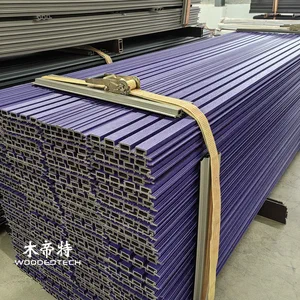
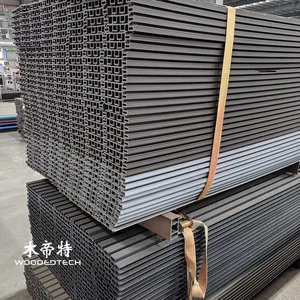
For foreign trade buyers, packaging quality matters as much as product quality. Long-distance shipping can damage corners, edges, and surface finish if cartons and pallets are not designed properly.
Market Trends Driving Demand
Demand for fluted WPC panel continues to grow because buyers want finishes that look premium but are still practical for mass projects. The material fits current trends in warm minimalism, linear textures, and wood-inspired interiors.
It is also gaining traction because commercial owners want fewer maintenance headaches. In sectors such as hospitality, retail, and office fit-out, materials that reduce downtime and repair frequency are easier to justify.
Another factor is standardization. Developers and chain operators often prefer products that can be repeated across multiple locations with the same result. WPC supports that need better than many natural materials.
FAQ
Q: Is fluted WPC panel suitable for outdoor use? A: Some products are designed for semi-outdoor or outdoor applications, but you should always confirm UV resistance, weather testing, and installation requirements with the supplier.
Q: Can fluted WPC panel be used in bathrooms or kitchens? A: It can be used in many humid interior areas if the product is designed for moisture resistance and installed correctly, but direct water exposure should be evaluated carefully.
Q: Does fluted WPC panel need painting? A: Most products are supplied in finished colors and do not need painting. Some projects may allow surface finishing, but that depends on the panel type and supplier guidance.
Q: How does fluted WPC panel affect installation cost? A: It can reduce labor cost compared with custom millwork or complex finishing systems because the panels are standardized and usually faster to install.
Q: What should buyers ask a supplier before ordering? A: Buyers should confirm material composition, fire rating, size tolerance, surface finish, packaging, lead time, and whether supporting accessories are included.
Fluted WPC panel is a strong choice for projects that need a durable decorative surface with a clean, modern look. For B2B buyers, it offers a useful combination of design flexibility, predictable quality, and efficient installation.