What Is Wpc Windows
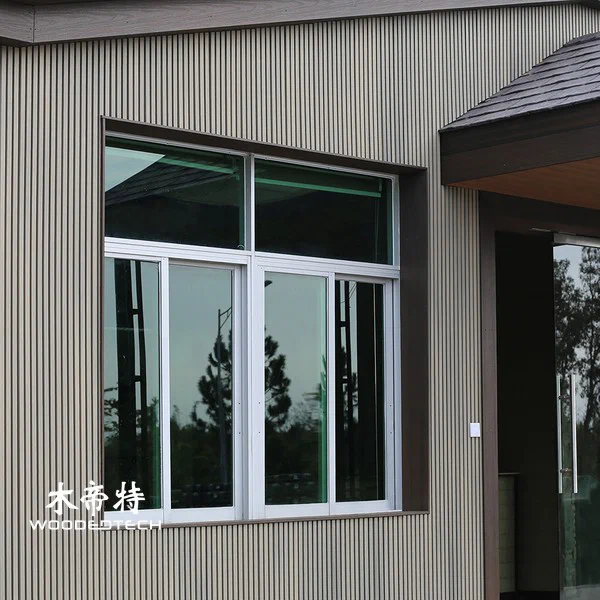
WPC windows are window systems made from wood-plastic composite materials designed to combine the look of wood with the durability of polymer-based profiles. For industrial buyers, they offer a practical option for projects that need moisture resistance, dimensional stability, and lower maintenance than traditional timber windows.
What WPC Windows Are
WPC stands for wood-plastic composite. In window applications, it usually refers to profiles manufactured from a blend of wood fibers, thermoplastics, and performance additives. The material is extruded or molded into window frames, sashes, and related components, then finished for use in residential, commercial, or light industrial buildings.
The appeal of WPC windows is straightforward: they aim to deliver the visual warmth associated with wood while improving resistance to rot, warping, insects, and moisture. This makes them especially relevant in environments where standard wood windows may degrade too quickly, and where full aluminum or uPVC systems may not fit the project’s design or performance requirements.
How WPC Windows Are Made
WPC window profiles are typically produced by mixing wood powder or fibers with plastic resins such as PVC, PE, or PP, along with stabilizers, lubricants, pigments, and other additives. The compound is heated and formed into precise profile shapes through extrusion.
The exact formulation varies by manufacturer, but the production process generally includes:
- Raw material blending
- High-temperature extrusion or molding
- Cooling and calibration
- Cutting and machining
- Surface treatment or lamination
- Assembly into finished window units
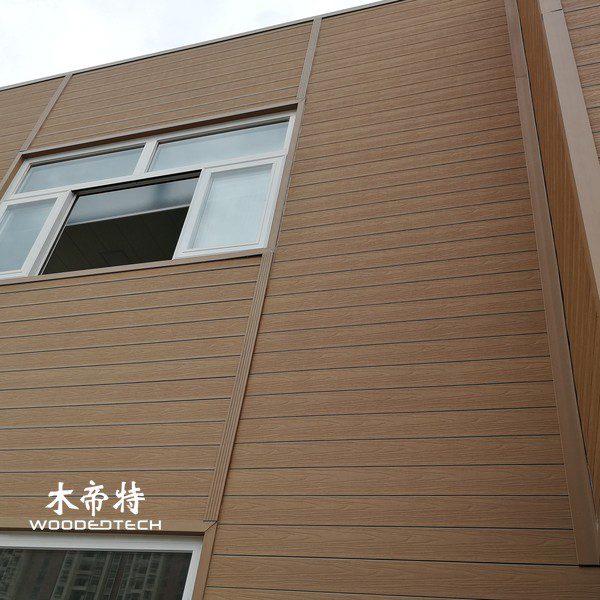

Key Advantages of WPC Windows
WPC windows are valued for a balance of appearance, durability, and lifecycle cost. For buyers comparing window systems across multiple projects, the main benefits usually include:
- Moisture resistance: WPC does not absorb water like natural wood, reducing swelling and decay.
- Dimensional stability: Profiles are less likely to warp, split, or twist under changing weather conditions.
- Low maintenance: No regular repainting or sealing is typically required.
- Termite and insect resistance: The composite structure is less vulnerable to biological attack than untreated timber.
- Aesthetic flexibility: WPC can be produced in wood-like textures and multiple colors.
- Good insulation performance: The material can contribute to thermal efficiency when designed properly.
- Sustainable material use: Many products incorporate recycled plastics or recovered wood fibers.
For commercial buyers, these benefits can translate into lower maintenance budgets, fewer warranty claims, and better long-term performance in humid or demanding climates.
Where WPC Windows Fit Best
WPC windows are not a universal replacement for every other window type, but they are a strong fit in several common applications. They are often selected for projects where a wood appearance is preferred but maintenance must be kept low.
Typical applications include:
- Hotels and resorts
- Residential developments
- Coastal buildings
- High-humidity regions
- Schools and institutions
- Mid-range commercial properties
- Renovation projects seeking wood-look aesthetics
They are particularly suitable where the building owner wants the appearance of timber without the ongoing operational burden of sanding, painting, and repairing organic materials.
WPC Windows vs Other Window Materials
Buyers often compare WPC windows with timber, aluminum, and uPVC systems. Each has a distinct value profile.
WPC vs wood:
- WPC is more resistant to moisture, termites, and decay
- Wood may offer a more traditional premium feel
- Wood typically needs more frequent maintenance
WPC vs uPVC:
- WPC often provides a more natural, wood-like appearance
- uPVC is usually more established in mass-market window supply chains
- Both can offer low maintenance and good weather resistance
WPC vs aluminum:
- Aluminum offers high strength and slim profiles
- WPC can perform better for insulation and warm aesthetics
- Aluminum is often favored for large-span or high-load applications
In many procurement decisions, the right choice depends on balancing design expectations, climate exposure, target price, and service-life requirements.
Performance Considerations for Buyers
For B2B buyers, product selection should go beyond appearance. WPC window quality depends heavily on formulation, profile design, hardware, and production control. When evaluating suppliers, consider these factors:
- Density and material composition
- Surface finish quality
- UV resistance
- Thermal expansion behavior
- Hardware compatibility
- Joint strength and sealing
- Frame thickness and structural design
- Certification and test reports
It is also important to clarify whether the product is a full WPC window system or only a WPC frame paired with other materials. Some suppliers market hybrid solutions, which may perform differently from fully composite systems.
If the project has strict requirements for wind load, fire performance, acoustic insulation, or energy efficiency, request verified test data rather than relying on catalog claims.
Maintenance and Service Life
One of the main commercial advantages of WPC windows is reduced maintenance. They generally do not require the same repainting cycle as solid wood, and they resist water damage better in damp conditions. Routine cleaning with mild soap and water is usually enough for most installations.
That said, service life still depends on quality and usage conditions. Poorly made profiles, weak sealing systems, and low-grade hardware can shorten performance regardless of the base material. For this reason, buyers should treat WPC windows as a system, not just a profile material.
In procurement terms, the total value is not only the purchase price. Installation efficiency, maintenance frequency, replacement cycles, and customer satisfaction all affect the real cost of ownership.
Design and Customization Options
WPC windows can be manufactured in a wide range of styles and finishes, which makes them useful for architectural projects that need consistency across multiple units. Common customization options include:
- Wood-grain textures
- Matte or smooth surfaces
- Custom colors
- Different opening styles
- Integrated mosquito screens
- Multi-point locking systems
- Double-glazed or insulated glass combinations
For exporters and project suppliers, this flexibility is a strong advantage. It allows one product platform to serve different market segments, from value-oriented housing to mid- to upper-end hospitality projects.
What Buyers Should Ask Suppliers
Before placing an order, international buyers should ask practical technical and commercial questions. This helps reduce risk and ensures the product matches the project specification.
Key questions include:
- What is the exact material composition?
- Are the profiles fully WPC or hybrid?
- What testing standards have been passed?
- How does the product perform in high heat or humidity?
- What hardware brands or options are available?
- What is the warranty period?
- Can the supplier provide sample profiles and color swatches?
- What is the lead time for bulk orders?
Clear answers to these questions are often a good indicator of supplier reliability and manufacturing maturity.
Is WPC a Good Choice for Export Markets?
For many export markets, WPC windows are an attractive category because they align with current demand for low-maintenance, energy-conscious building materials. They are particularly relevant in regions where climate conditions are harsh on natural wood, or where buyers want a premium appearance without premium upkeep.
They also support product differentiation. In competitive markets, being able to offer a wood-look window with improved weather resistance can help distributors and contractors win projects that might otherwise default to standard uPVC or aluminum.
The most successful products in this category are usually those with consistent quality, clear performance documentation, and stable supply capacity.
FAQ
Q: What does WPC mean in windows? A: WPC means wood-plastic composite, a material made from wood fibers and plastic used to produce durable, low-maintenance window profiles.
Q: Are WPC windows better than wooden windows? A: They are often better in humid or high-maintenance environments because they resist moisture, warping, and insects more effectively than wood.
Q: Can WPC windows be used outdoors? A: Yes, they are designed for exterior use, but performance depends on the formulation, coating, and overall product quality.
Q: Do WPC windows need painting? A: Usually no. Most WPC windows are produced with finished surfaces that do not require routine painting like timber windows.
Q: Are WPC windows suitable for export projects? A: Yes, especially for projects that need consistent quality, wood-look aesthetics, and reduced maintenance across multiple building types.