
What Is Wpc Wall Panel
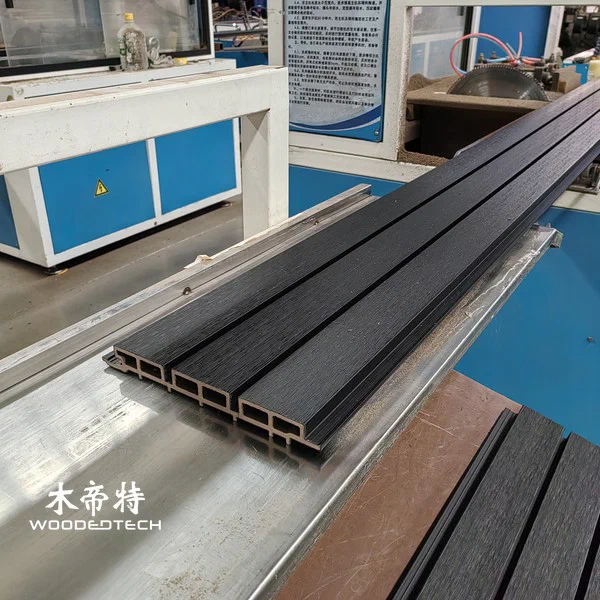
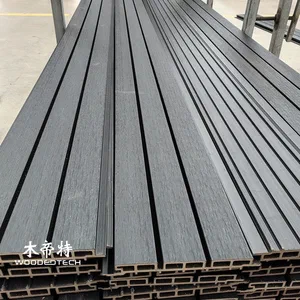
WPC wall panel is a modern wall covering made from wood plastic composite, a material that blends wood fiber and thermoplastic for better durability, moisture resistance, and installation efficiency. It is widely used in commercial interiors, hospitality projects, retail spaces, and residential applications where buyers want the look of wood with lower maintenance and longer service life.
What Is WPC Wall Panel
WPC stands for wood plastic composite. A WPC wall panel is an engineered decorative panel designed for interior or semi-covered wall applications, made by combining wood flour, plastic polymers, and performance additives. This structure gives the panel a stable core, a consistent appearance, and resistance to common issues such as warping, cracking, and insect damage.
For B2B buyers, WPC wall panel products are often chosen as a practical alternative to natural wood panels, MDF wall cladding, PVC panels, and painted finishes. They offer a balance of aesthetics, performance, and cost control, which makes them suitable for projects that need repeatable quality across large volumes.
How WPC Wall Panels Are Made
The manufacturing process typically starts with mixing wood powder or fiber with polymer resin, usually PVC or PE, along with stabilizers, colorants, and other additives. The mixture is then heated and extruded or pressed into panel profiles. Surface finishing may include embossed textures, wood-grain films, matte coatings, or protective layers depending on the product line.
This process helps create panels with:
- Uniform dimensions
- Stable structure
- Controlled surface texture
- Consistent color and finish
- Better resistance to moisture and deformation
Because the material is engineered rather than cut from natural timber, it supports more predictable procurement and installation for contractors, distributors, and project developers.
Key Benefits for Commercial Projects

Moisture resistance is one of the main advantages. In spaces such as hotel corridors, office lobbies, restaurants, and retail interiors, wall finishes often face humidity or cleaning-related exposure. WPC performs better than untreated wood in these conditions.
Low maintenance is another advantage. The surface can usually be cleaned with simple methods, and it does not require regular painting, polishing, or sealing. This reduces lifecycle costs for property owners and facility managers.
Dimensional stability also matters. Compared with solid wood, WPC wall panel products are less likely to expand, shrink, or warp under changing temperature and humidity levels. That makes planning and installation easier for large projects.
Aesthetic flexibility is equally important. Buyers can choose from many finishes, including wood tones, stone effects, plain colors, and modern linear textures. This allows designers to match different commercial themes without changing the base material.
Additional benefits include:
- Faster installation
- Lightweight handling
- Good scratch resistance on many products
- Wide style selection
- More consistent batch-to-batch output
Common Applications
WPC wall panel products are used across a wide range of industries and interior settings. Their combination of appearance and durability makes them suitable for both decorative and functional wall systems.
Typical applications include:
- Office buildings and corporate interiors
- Hotel lobbies, guest rooms, and corridors
- Retail stores and shopping centers
- Restaurants, cafes, and food service areas
- Exhibition booths and display spaces
- Apartment common areas and residential interiors
- Healthcare and education facilities, depending on specification
In many projects, WPC wall panel is selected not only for visual effect but also for its ability to support fast renovation schedules and standardized installation.
Types of WPC Wall Panel
There is no single universal format for WPC wall panel products. Buyers will usually find several common types depending on the project requirement.
Fluted panels are popular for modern decorative walls. They create a linear shadow effect and are often used behind reception desks, in living areas, or as feature walls in commercial spaces.
Flat panels provide a cleaner, more minimal look. They work well where a smooth and uniform appearance is needed.
3D textured panels add depth and visual interest. These are often used in hospitality and retail interiors to create a stronger design statement.
Louver-style panels are used when a rhythm of vertical or angled lines is desired. They are common in contemporary commercial design.
Some products also come with integrated acoustic backing or fire-rated formulations, which may be necessary for specific project specifications.
What Buyers Should Check Before Purchasing
For B2B sourcing, product appearance is only one part of the decision. To reduce risk and improve project success, buyers should verify technical and commercial details before placing an order.
Important factors include:
- Material composition
- Panel thickness and density
- Surface finish and color consistency
- Moisture resistance level
- Fire performance requirements
- Scratch and wear resistance
- Installation method and accessories
- Packaging standard for export
- MOQ, lead time, and supply stability
It is also smart to request samples and compare them under real lighting conditions. Color tone, surface texture, and edge quality can look different in catalog photos than in actual project environments.
For large-volume procurement, buyers should also confirm whether the supplier can maintain the same specification across repeat orders. This is especially important for hotel chains, retail rollouts, and phased developments.
Installation and Maintenance
WPC wall panels are generally designed for efficient installation. Depending on the panel system, they may be fixed using adhesive, clips, screws, or a combination of methods. Many products are made with tongue-and-groove or interlocking structures to improve alignment and reduce visible joints.
Before installation, the wall surface should be clean, dry, and level. Proper preparation helps prevent fitment issues and improves final appearance. In commercial projects, installation speed is often a major advantage because it reduces downtime and labor cost.
Maintenance is straightforward. Dusting and wiping with a soft damp cloth are usually enough for routine cleaning. Harsh abrasives and strong solvents should be avoided unless the supplier explicitly approves them. For facilities with heavy traffic, establishing a basic cleaning schedule helps preserve the surface finish longer.
WPC Wall Panel vs Other Wall Materials
Buyers often compare WPC wall panel with MDF, solid wood, PVC, gypsum board, and laminate wall systems.
Compared with solid wood, WPC offers better moisture resistance and lower upkeep, though it does not provide the same natural material character.
Compared with MDF, WPC is generally better for damp conditions and can be more durable in busy environments.
Compared with basic PVC panels, WPC often feels more substantial and can deliver a more premium decorative result, depending on the product grade.
Compared with painted drywall, WPC provides an immediate decorative finish and may reduce the need for repeated repainting in commercial settings.
The right choice depends on budget, design goal, installation environment, and project lifetime expectations.
Why It Matters for Export and OEM Buyers
For international buyers, WPC wall panel is attractive because it fits several purchasing priorities at once: design versatility, export-ready packaging, and scalable production. Suppliers can often customize dimensions, surface patterns, colors, and branding to suit distributor or project requirements.
This makes WPC a useful category for importers, wholesalers, contractors, and private label brands looking for a product that can serve multiple market segments. It also supports easier catalog development because one material platform can be adapted into many styles.
When sourcing from factories, buyers should ask about production capacity, quality control, loading efficiency, certification needs, and after-sales support. These points matter just as much as the visual design when the goal is stable long-term supply.
FAQ
Q: What is WPC wall panel made of? A: It is made from wood fiber or wood flour combined with plastic polymers and additives to improve strength, stability, and resistance to moisture.
Q: Is WPC wall panel suitable for commercial projects? A: Yes. It is commonly used in offices, hotels, retail spaces, and other commercial interiors because it is durable and easy to maintain.
Q: Can WPC wall panels be used in humid areas? A: They perform better than many wood-based materials in humid environments, but buyers should still confirm the exact product specification for the intended space.
Q: Are WPC wall panels easy to install? A: Most systems are designed for efficient installation with adhesive, clips, or interlocking profiles, which helps reduce labor time.
Q: How do I choose the right WPC wall panel supplier? A: Check material quality, finish consistency, customization options, export experience, lead time, and the supplier’s ability to maintain stable batch quality.
Related Articles
Related Products
 B17010 Plastic Wood Look Siding Provides Decorative Thin Boards for Modern Outdoor Wall Applications
 B7112 WPC Panel Design Exterior Boards Offer Stocked Fence Strips for Outdoor Decoration and Edge Finishing
 WPC Wall Panel Accessories Offer Complete Solutions with Various Common and Specialized Installation Parts