
what is wpc wall cladding
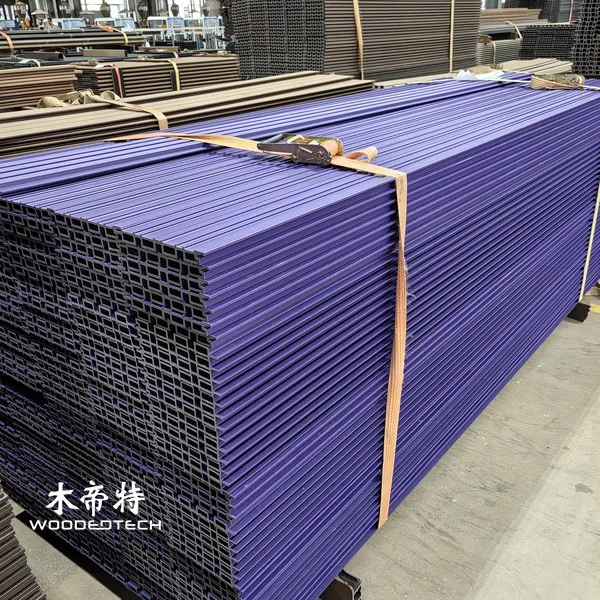
WPC wall cladding is a modern, durable, and sustainable solution for both exterior and interior wall applications. Made from a blend of wood fibers and thermoplastics, WPC (Wood-Plastic Composite) combines the natural aesthetics of wood with the resilience of plastic, making it a popular choice in construction and industrial projects.
What is WPC Wall Cladding?

WPC wall cladding is widely used in construction for its aesthetic versatility and practical benefits. It can be installed on residential, commercial, and industrial buildings, providing a modern and eco-friendly alternative to traditional wood or vinyl cladding.
Key Features of WPC Wall Cladding
WPC wall cladding offers several features that make it a preferred choice for various applications:
- Durability: Resistant to moisture, rot, and pests, WPC cladding outlasts traditional wood in harsh environments.
- Low Maintenance: Unlike natural wood, it doesn’t require frequent painting, staining, or sealing.
- Weather Resistance: WPC is designed to withstand extreme weather conditions, including UV rays, rain, and temperature fluctuations.
- Eco-Friendly: Made from recycled materials, WPC is a sustainable choice that reduces the need for deforestation.
- Aesthetic Appeal: Available in a variety of colors, textures, and finishes, WPC cladding can replicate the look of natural wood or offer modern, sleek designs.
- Easy Installation: WPC panels are lightweight and often come with user-friendly interlocking systems for quick and hassle-free installation.
Applications of WPC Wall Cladding
WPC wall cladding is highly versatile, making it suitable for a wide range of applications:
- Residential Buildings: Used for both interior walls and exterior facades to enhance aesthetic appeal and protect against weather damage.
- Commercial Spaces: Commonly installed in shopping malls, office buildings, and hotels for a professional and modern look.
- Industrial Facilities: Provides robust protection for walls in warehouses, factories, and other industrial environments.
- Public Infrastructure: Parks, schools, and community centers often use WPC cladding for its durability and low maintenance requirements.
Benefits of Choosing WPC Wall Cladding
Enhanced Durability

Cost-Effectiveness
While the initial cost of WPC cladding may be higher than traditional materials, its minimal maintenance and long service life make it a cost-effective option in the long run. There’s no need for periodic repairs, repainting, or replacement.
Sustainability
The production of WPC reduces waste by repurposing wood fibers and recycled plastics. By choosing WPC wall cladding, businesses can align with eco-conscious practices and contribute to environmental sustainability.
Versatile Design Options
Whether you’re aiming for a rustic wooden look or a sleek, contemporary finish, WPC cladding offers a variety of styles, textures, and colors. It can complement any architectural design, from traditional to modern.
Resistance to Environmental Factors
WPC cladding is impervious to water and moisture, making it an excellent choice for humid or rainy regions. Its UV resistance ensures that colors remain vibrant over time, even with prolonged sun exposure.
How to Select the Right WPC Wall Cladding
Choosing the right WPC wall cladding for your project depends on several factors:
- Thickness and Design: Consider the structural requirements and aesthetic goals of your project. Thicker panels may be necessary for heavy-duty applications.
- Surface Texture: Decide between smooth, grooved, or embossed textures based on the desired look and feel.
- Color Options: Match the cladding color with the overall design scheme of the building.
- Installation System: Look for interlocking or tongue-and-groove systems for ease of installation.
- Quality Standards: Ensure the product complies with industrial standards for safety and performance.
Installation Tips for WPC Wall Cladding
Successful installation of WPC wall cladding requires careful planning and execution:
- Prepare the Surface: Ensure the wall surface is clean, dry, and smooth before installation.
- Use Proper Tools: Equip your team with the right tools, such as drills, screws, and cutting equipment.
- Follow Manufacturer Guidelines: Always refer to the installation manual provided by the manufacturer for best practices.
- Allow for Expansion Gaps: WPC materials may expand or contract slightly with temperature changes, so leave appropriate gaps between panels.
- Secure Fixings: Use high-quality screws or clips to ensure the cladding stays in place under various conditions.
FAQ
Q: What are the main components of WPC wall cladding?
A: WPC cladding is made from a mix of wood fibers, thermoplastics, and additives such as stabilizers and pigments.
Q: How does WPC cladding compare to traditional wood?
A: WPC is more durable, weather-resistant, and low-maintenance compared to natural wood. It also doesn’t warp, rot, or attract pests.
Q: Is WPC wall cladding eco-friendly?
A: Yes, WPC is made from recycled materials, making it a sustainable and environmentally conscious option.
Q: Can WPC cladding be used indoors?
A: Absolutely. WPC cladding is suitable for both interior and exterior applications, providing a decorative and protective finish.
Q: What is the lifespan of WPC wall cladding?
A: With proper installation and minimal maintenance, WPC cladding can last 25-30 years or more.
Related Articles
Related Products
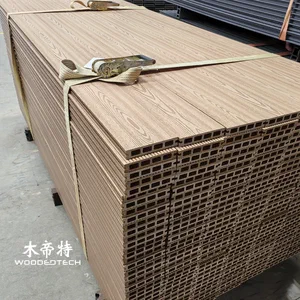
 B14011 WPC Paneling Sheets Feature Double Flat Surfaces with Heat Pressed Wood Grain Designs for Outdoor Styles
 B7112 WPC Panel Design Exterior Boards Offer Stocked Fence Strips for Outdoor Decoration and Edge Finishing
 WPC Decking Accessories Provide Complete Installation Components for Professional Outdoor Flooring Projects